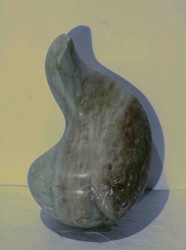
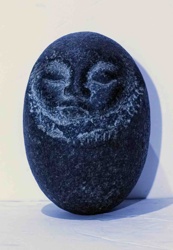
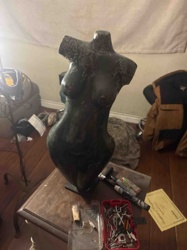
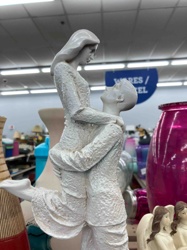
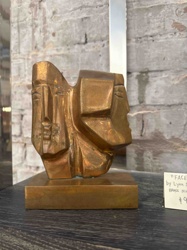
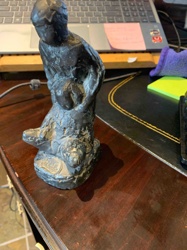
Solid bronze (tested with magnet) Italian sculpture)
These notes were written by the person who submitted this item. Appraiser.AI has not verified them, and the AI's identification and estimate may rely on them.
AI Estimated Value
Not an official valuation
$600 - 900
AI estimate as of November 18, 2025 · verify with a professional before acting
AI-Generated · Verify before acting
Everything on this page is generated by AI for informational purposes only. AI can make mistakes — the AI may misidentify items or misattribute them (artist, maker, brand, designer, origin, era). This is not an official valuation and should not be used for insurance, sale, tax, estate, legal, or lending purposes — or any decision requiring a certified appraisal. It is not an authoritative claim about any person, brand, or rights holder — do not share or rely on it as a factual statement about a third party. Always consult qualified professionals before making financial decisions.
This analysis also relies on unverified notes provided by the user, which may be incomplete or inaccurate and could affect the result.
This item is a solid bronze sculpture, confirmed by a magnet test, depicting a seated woman or girl, likely Italian in origin given the context. The figure is cast with a rich, multi-toned patination, primarily featuring a coppery-bronze hue for the skin and clothing, accented with darker, almost black, and lighter goldish-bronze highlights to define details such as drapery folds and facial features. The woman is adorned with a broad-brimmed hat, seemingly crafted from a material with a slightly iridescent or textured finish, possibly glass or a highly polished, darker bronze. Her face is partially obscured by the shadow of the hat, but discernible features include delicate eyes and a downcast gaze, suggesting contemplation or focus. Her hair appears to be styled beneath the hat in soft waves or curls. She wears a flowing garment with long sleeves, subtly textured to mimic fabric. Her bare feet are visible, resting on a naturalistic base, which is integrated into the sculpture itself, adorned with small, textured elements resembling foliage and clusters of berries or grapes. In her hands, she delicately holds a bunch of grapes, adding to the pastoral or harvest theme of the piece. The overall craftsmanship suggests a high level of detail, particularly in the rendering of the hands, feet, and the intricate details of the grapes and foliage. The sculpture displays a classic aesthetic, hinting at a late 19th to early 20th-century style, although without maker's marks, a precise age is difficult to ascertain. There are no immediately visible signs of significant damage or repairs, and the patina appears consistently aged, indicating good preservation. Some minor dust accumulation is visible in the crevices, consistent with display in a home environment.
AI Appraisal Report
Based on my visual examination of the provided description, this Italian Bronze Figurine of a Seated Woman with Grapes appears to be a well-crafted decorative piece. The magnet test confirming solid bronze construction is a positive indicator of quality. The multi-toned patination, detailing of drapery, facial features (as described), and intricate elements like grapes and foliage suggest a good level of artistic execution, consistent with late 19th to early 20th-century European stylistic trends. The overall condition seems good, with an aged patina and minor dust, suggesting careful preservation.
Market conditions for decorative bronze figurines of this style are generally stable. Similar pieces, often unmarked, from this period typically achieve values within the mid-hundreds to low thousands, depending heavily on size, artist recognition (if any), and provenance. Comparable examples found at auction houses specializing in decorative arts and online platforms suggest a solid demand for well-executed bronze figures, particularly those with charming or classical themes. Rarity is difficult to assess without maker's marks; many such bronzes were produced as decorative items by numerous foundries. Factors impacting value include the lack of a discernible artist's signature or foundry mark, which prevents attribution to a specific, potentially more collectible, artist. The pastoral theme with grapes is aesthetically pleasing and broadly appealing.
It is important to note the limitations inherent in appraising solely from a description. While the details provided are extensive, a physical, in-person examination would be crucial for full authentication. This would allow for a precise assessment of casting quality, identification of any hidden repairs or flaws, and closer inspection of the patina's authenticity. Additionally, documentation of provenance (origin and ownership history) would significantly aid in verifying its age and Italian origin, potentially increasing value. Scientific testing, such as elemental analysis of the bronze, could also confirm composition if deemed necessary for high-value attribution.