AI identification & appraisal estimate

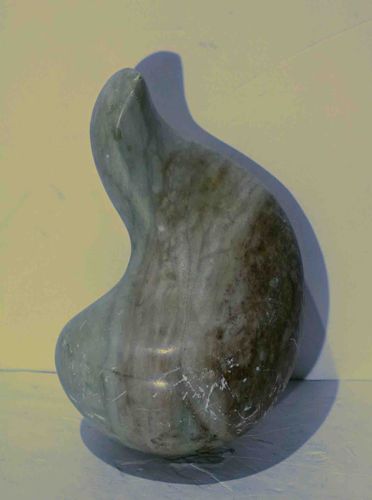
Abstract Biomorphic Stone Sculpture

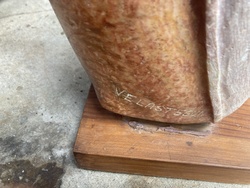
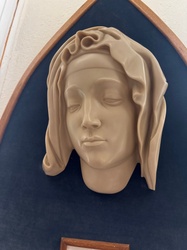
Submitted photo of Abstract Biomorphic Stone Sculpture
Photo submitted by the user — not generated by AI

User's notes

Unknown artist, untitled sculpture

These notes were written by the person who submitted this item. Appraiser.AI has not verified them, and the AI's identification and estimate may rely on them.

AI Estimated Value

Not an official valuation

$150 - $400

AI estimate as of March 22, 2026 · verify with a professional before acting

AI-Generated · Verify before acting

Everything on this page is generated by AI for informational purposes only. AI can make mistakes — the AI may misidentify items or misattribute them (artist, maker, brand, designer, origin, era). This is not an official valuation and should not be used for insurance, sale, tax, estate, legal, or lending purposes — or any decision requiring a certified appraisal. It is not an authoritative claim about any person, brand, or rights holder — do not share or rely on it as a factual statement about a third party. Always consult qualified professionals before making financial decisions.

This analysis also relies on unverified notes provided by the user, which may be incomplete or inaccurate and could affect the result.

Read the full disclaimer

AI Item Analysis

This is an abstract, biomorphic sculpture carved from a single block of highly mottled stone, likely soapstone or a similar soft metamorphic rock such as alabaster or chlorite. The form is curvilinear and fluid, suggesting organic movement or growth, similar to a nautilus shell or an embryonic shape. It features a broad, rounded base that tapers into a slender, upward-reaching neck with a soft point. The stone exhibits a complex color palette of sage green, pale grey, and deep brownish-red veining and inclusions, which are natural characteristics of the selected medium. The surface appears to have been polished to a semi-gloss finish, though it shows significant surface wear. Notable condition issues include numerous white scuff marks, abrasions, and shallow scratches concentrated around the lower third of the piece, possibly due to contact with hard surfaces or poor handling. There are no visible maker's marks, signatures, or dates on the seen surfaces. The style is mid-to-late 20th-century abstract modernism, reminiscent of Inuit carvings or mid-century studio art. The craftsmanship is high, demonstrating a sophisticated understanding of three-dimensional form and material interplay, though it currently lacks a mounting base which may have originally been attached.
AI Appraisal Report

I have examined the images of this abstract biomorphic stone sculpture, which appears to be carved from soapstone or a similar soft metamorphic rock like chlorite. The piece exhibits a mid-20th-century modernist aesthetic, characterized by its fluid, organic lines reminiscent of the works of Henry Moore or Barbara Hepworth, though likely executed by a skilled amateur or a lesser-known studio artist rather than a master. The stone itself features attractive sage green and brownish-red variegation, adding visual interest integral to the composition. Condition is a significant limiting factor in this valuation. The surface shows considerable wear, specifically numerous white scuffs and abrasions on the lower third, which mar the polished finish. While likely remediable by a professional conservator, this damage currently detracts from its display value. The absence of a signature or maker's mark complicates attribution; without provenance, it must be evaluated primarily on its decorative merit and material quality rather than artist reputation. It bears stylistic similarities to Inuit art or Zimbabwean Shona sculpture, but lacks the specific identifiable traits usually seen in authentic examples of those traditions. In the current market, unsigned mid-century style stone carvings are moderately desirable as interior design objects. Comparable sales for unsigned soapstone or alabaster abstracts of this size and quality typically fall in the low hundreds. A higher valuation would require definitive attribution or significant restoration. My appraisal assumes this is a unique, hand-carved work, but a physical inspection would be necessary to rule out mass-produced variants and to confirm the stone type.

Keep exploring

More fine art / sculpture appraisals

Get your items appraised

Instant AI-powered appraisal estimates from a photo

Browse More Appraisals