AI identification & appraisal estimate

Prehistoric Chert Stone Biface Tool (unauthenticated)

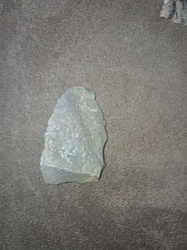
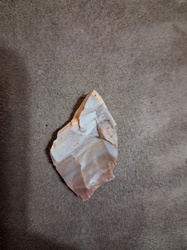
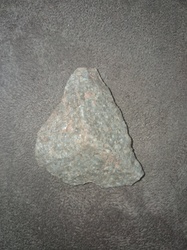
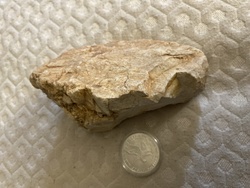
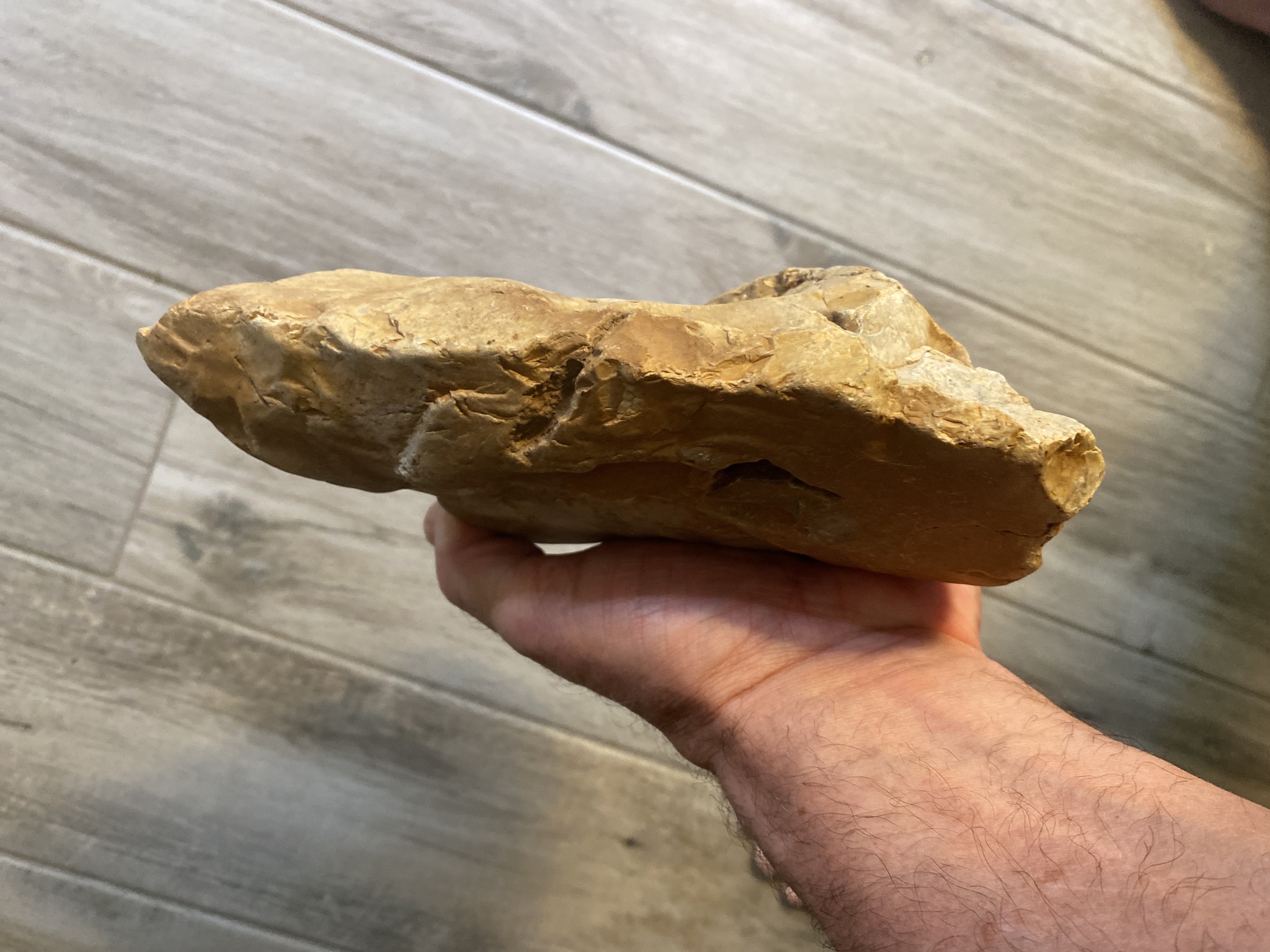
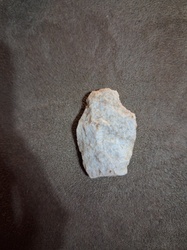
Submitted photo of Prehistoric Chert Stone Biface Tool (unauthenticated)
Photo submitted by the user — not generated by AI

User's notes

Found this large prehistoric chert bi face hand axe scraper portable rock art effigy on our property in Guthrie Ok. It is likely from the Paleo Indian or Paleolithic eras. It measures 7.5" x 6.5"

These notes were written by the person who submitted this item. Appraiser.AI has not verified them, and the AI's identification and estimate may rely on them.

AI Estimated Value

Not an official valuation

$100-300

AI estimate as of August 22, 2026 · verify with a professional before acting

AI-Generated · Verify before acting

Everything on this page is generated by AI for informational purposes only. AI can make mistakes — the AI may misidentify items or misattribute them (artist, maker, brand, designer, origin, era). This is not an official valuation and should not be used for insurance, sale, tax, estate, legal, or lending purposes — or any decision requiring a certified appraisal. It is not an authoritative claim about any person, brand, or rights holder — do not share or rely on it as a factual statement about a third party. Always consult qualified professionals before making financial decisions.

This analysis also relies on unverified notes provided by the user, which may be incomplete or inaccurate and could affect the result.

Read the full disclaimer

AI Item Analysis

The item presented in the photograph is a large, irregularly shaped stone object held in an adult hand, displaying earthy brown, tan, and ochre coloration typical of weathered chert or flint. Based on visual characteristics, the piece exhibits faceted edges and surface texturing that suggest human knapping or percussion flaking, consistent with ancient lithic reduction techniques. There are no maker's marks, stamps, or inscriptions visible in the image. The surface shows heavy natural weathering, patination, and minor pitting, which are consistent with long-term exposure to soil and elements. The owner's notes state that this piece was found on a property in Guthrie, Oklahoma, and identify it as a large prehistoric chert biface hand axe scraper portable rock art effigy potentially dating to the Paleo-Indian or Paleolithic eras, measuring approximately 7.5 inches by 6.5 inches. However, this user-supplied attribution is entirely unauthenticated and unverified by physical inspection. Without professional archaeological excavation context, microscopic use-wear analysis, or formal geological and lithic assessment, it remains impossible to definitively classify whether the object is a human-made prehistoric artifact, a naturally fractured geofact, or a modern reproduction. The identification rests strictly on the unverified owner's narrative and superficial visual resemblances to early stone tools.
AI Appraisal Report

Based on the photograph provided, I can observe a large, irregularly shaped stone object with earthy brown, tan, and ochre coloration, exhibiting surface texturing and faceted edges. However, I cannot verify from a photo alone whether this object is a human-made prehistoric artifact, a naturally fractured geofact, or a modern reproduction. The owner identifies this piece as a large prehistoric chert biface hand axe scraper portable rock art effigy found in Guthrie, Oklahoma, potentially dating to the Paleo-Indian or Paleolithic eras. Because this is an unverified user-supplied claim, my valuation assumes the attribution is correct for the sake of this estimate. Assuming it is a genuine prehistoric lithic tool of this scale, items of this type generally trade in the $100 to $300 range among casual collectors, depending on surface preservation and apparent knapping quality. If physical inspection reveals the piece to be a modern replica, geofact, or an unattributed stone of natural origin, the commercial value would drop significantly, likely to nominal decorative value under $50. General market demand for unauthenticated surface-find lithics is modest, as buyers heavily prioritize pieces with documented archaeological context. To better understand its true nature and potential value, what would be needed is in-person examination by a qualified lithic analyst or archaeologist, along with microscopic use-wear analysis to look for signs of ancient human manipulation.

Keep exploring

More archaeological artifacts appraisals

Get your items appraised

Instant AI-powered appraisal estimates from a photo

Browse More Appraisals