AI identification & appraisal estimate

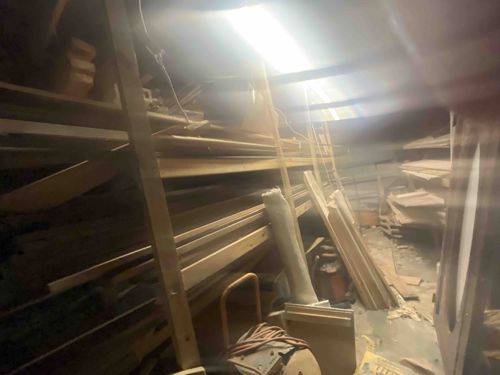
Lumber Stock and Woodworking Material Inventory

This name is the AI's identification of the item — it may be incorrect.

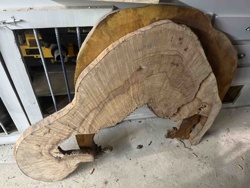
Submitted photo of Lumber Stock and Woodworking Material Inventory
Photo submitted by the user — not generated by AI

AI Estimated Value

Not an official valuation

$1,800 - $2,400

AI estimate as of March 12, 2026 · verify with a professional before acting

AI-Generated · Verify before acting

Everything on this page is generated by AI for informational purposes only. AI can make mistakes — the AI may misidentify items or misattribute them (artist, maker, brand, designer, origin, era). This is not an official valuation and should not be used for insurance, sale, tax, estate, legal, or lending purposes — or any decision requiring a certified appraisal. It is not an authoritative claim about any person, brand, or rights holder — do not share or rely on it as a factual statement about a third party. Always consult qualified professionals before making financial decisions.

Read the full disclaimer

AI Item Analysis

This image depicts a dense collection of dimensional lumber, wood planks, and architectural sheet goods organized within a tiered storage racking system. The materials consist of various softwood and potentially hardwood species, exhibiting light beige to medium tan natural wood tones. The inventory includes long-run boards, shorter offcuts, and vertically leaning trim or molding pieces. The storage structure itself is utilitarian, composed of unfinished wooden uprights and horizontal supports. The environment appears to be an attic, workshop, or internal storage mezzanine, characterized by low clearance and exposed structural elements. The lighting is harsh and direct, originating from an overhead fixture that creates significant lens flare. Regarding condition, the materials appear to be in a raw, unfinished state. There are visible signs of dust accumulation, surface debris, and potential minor warping or 'cupping' common in wood stored in non-climate-controlled environments. Edges of some boards show rough-sawn textures, while others appear planed. Some vertical pieces show fraying at the ends, and the floor area contains scattered wood scraps and sawdust. There are no visible maker's marks or grade stamps legible in the current view, but the volume suggests a substantial stockpile for carpentry or construction purposes. The overall craftsmanship is industrial and focused on bulk utility rather than finished aesthetic appeal.

AI Appraisal Report

I have conducted a visual appraisal of this lumber and wood product inventory. The collection comprises a significant volume of dimensional softwood lumber, architectural trim moldings, and likely plywood or composite sheet goods. My examination reveals the materials are in a raw, secondary-market condition, displaying typical signs of long-term shop storage including dust accumulation and minor surface oxidation. While most boards appear straight from this vantage point, I noted potential cupping and end-checking on several vertically stored pieces, which is common in non-climate-controlled environments. The market for raw lumber remains strong due to inflated retail pricing at big-box suppliers; however, value is mitigated by the 'as-is' nature of the stockpile. Professional-grade clear-grain softwoods and specialized moldings command higher prices than standard framing lumber. The rarity of this lot is low, as these are standard construction materials, but the aggregate volume provides substantial utility value for a contractor or hobbyist. Significant value-drivers include the presence of long-run clear boards and the sheer cubic volume of the inventory. Conversely, value is hampered by the lack of visible grade stamps (e.g., Select, No. 2, or FAS) which dictates structural and finish-quality pricing. Limitation Disclosure: This appraisal is based solely on visual evidence. I cannot definitively verify wood species (e.g., distinguishing White Pine from Fir), moisture content, or internal rot without a physical inspection and use of a moisture meter. Full authentication would require an in-person tally of linear and board-footage, identification of stamps to confirm kiln-drying status, and provenance regarding the source to ensure the wood hasn't been exposed to pests or chemical contaminants.

Keep exploring

More building materials / raw wood inventory appraisals

Get your items appraised

Instant AI-powered appraisal estimates from a photo

Browse More Appraisals