AI identification & appraisal estimate

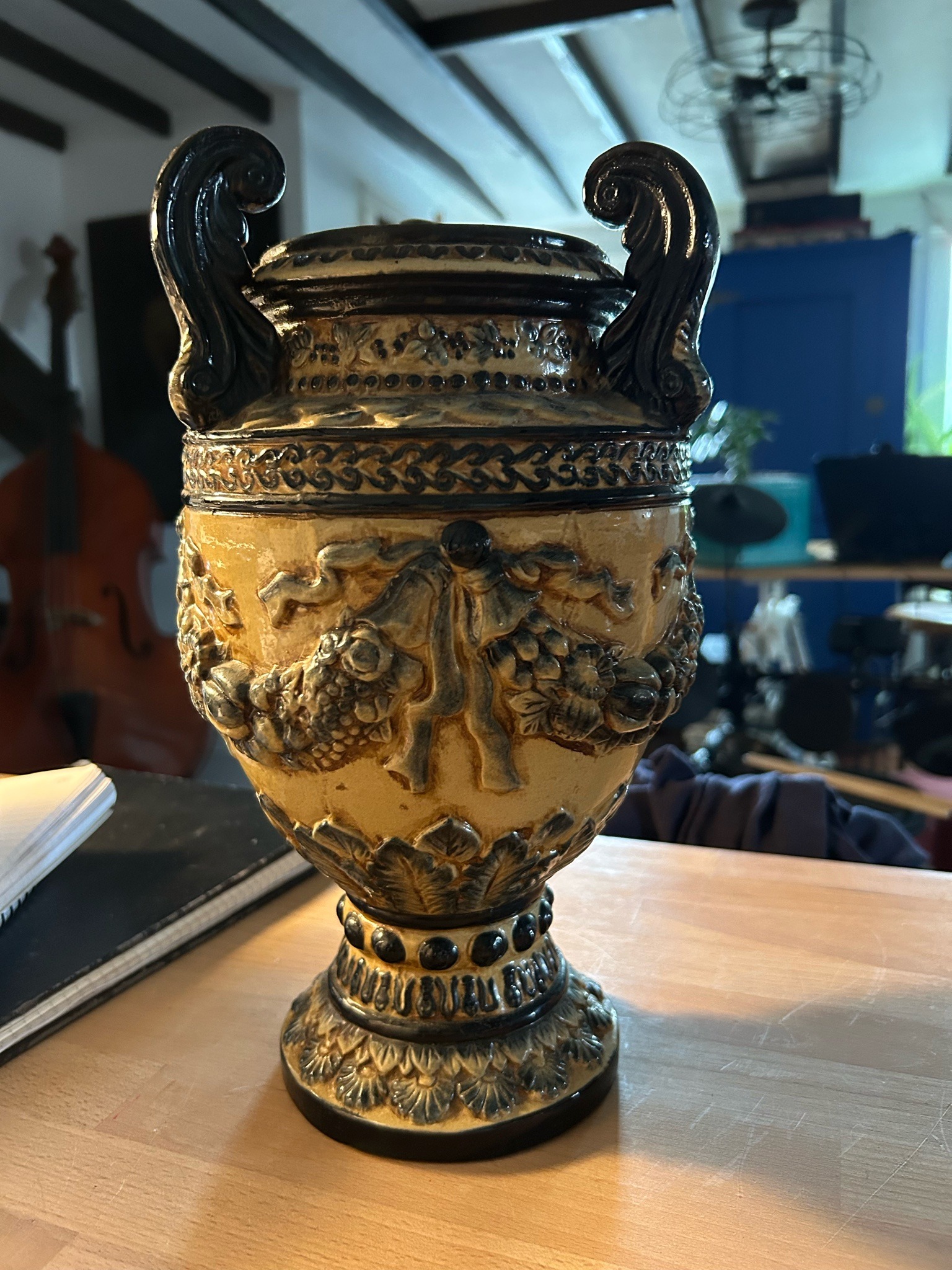
Majolica Style Classical Urn with Fruit Swags

This name is the AI's identification of the item — it may be incorrect.

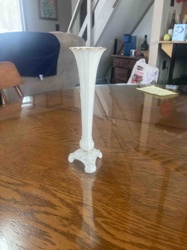
Submitted photo of Majolica Style Classical Urn with Fruit Swags
Photo submitted by the user — not generated by AI

AI Estimated Value

Not an official valuation

$450 - $700

AI estimate as of April 30, 2026 · verify with a professional before acting

AI-Generated · Verify before acting

Everything on this page is generated by AI for informational purposes only. AI can make mistakes — the AI may misidentify items or misattribute them (artist, maker, brand, designer, origin, era). This is not an official valuation and should not be used for insurance, sale, tax, estate, legal, or lending purposes — or any decision requiring a certified appraisal. It is not an authoritative claim about any person, brand, or rights holder — do not share or rely on it as a factual statement about a third party. Always consult qualified professionals before making financial decisions.

Read the full disclaimer

AI Item Analysis

This is a decorative ceramic urn or vase reflecting a Neoclassical revival style, likely dating from the late 19th to early 20th century. The piece features a stout, bulbous body resting on a flared, pedestal foot. It is constructed from heavy ceramic or kiln-fired earthenware, finished with a high-gloss glaze. The color palette is dominated by a warm ochre or honey-yellow ground, contrasted by deep navy blue or black accents in the recessed areas and handles. The central body is adorned with high-relief (alto-relievo) molded swags of fruit, including grapes and possibly pomegranates, tied with decorative ribbons. The neck and shoulder show intricate banding with heart and leaf-and-dart patterns. Two prominent, dark-glazed scroll handles rise from the shoulder, terminating in volutes. The base features a scalloped, shell-like motif. Overall condition appears good, with a heavy craquelure visible in the yellow glaze, which is characteristic of aged majolica or faience. There is some minor surface grime and possible wear consistent with age, particularly along the raised edges of the molded fruit, but no major chips or structural cracks are immediately visible. The craftsmanship displays a blend of industrial molding and hand-finishing common in European or American art pottery of the Victorian era.
AI Appraisal Report

I have examined the digital representations of this Majolica-style classical urn. This piece is characteristic of late 19th-century European art pottery, likely of Italian or French origin, featuring high-relief fruit swags and a lead-based glaze showing significant craquelure. The application of the ochre and cobalt pigments suggests a mid-tier production house from the Victorian era rather than a luxury manufacturer like Minton or Wedgwood, which typically exhibit more refined hand-painting. The condition appears stable; the crazing is age-appropriate, though minor glaze losses on the high-relief fruit swags suggest typical handling wear. Market demand for ornate Majolica remains steady among traditional collectors, though prices have softened from their 1990s peak. Comparable sales for unsigned urns of this scale and detail consistently fall within the $400 to $800 range at auction. Value is bolstered by the presence of original handles and the complexity of the molded garlands. Limitations: This appraisal is based solely on visual inspection of images. Accurate authentication requires a physical examination to check for maker's marks on the underside, hidden professional restorations under UV light, and the weight/porosity of the earthenware body. Provenance documentation or a verified manufacturer's stamp (such as Cantagalli or Ginori) would be necessary to justify a higher-tier valuation.

Keep exploring

More decorative arts / ceramics appraisals

Get your items appraised

Instant AI-powered appraisal estimates from a photo

Browse More Appraisals