AI Appraisal Estimate

AI-generated estimates · not official valuations

From the user

What was submitted

Photo and notes provided by the user — not generated by AI

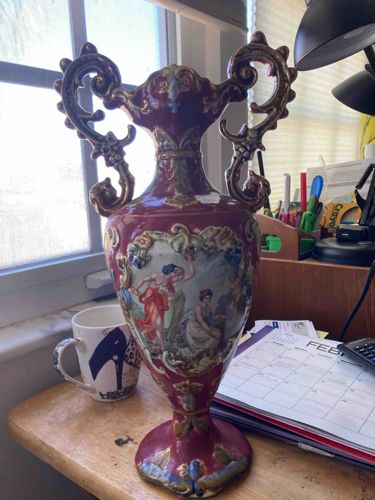
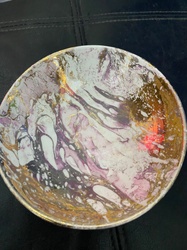
Submitted item photo
Submitted photo · May 25, 2026

User's notes

No additional notes provided.

AI analysis below

AI appraisal

AI analysis & estimate

AI-Generated · Verify before acting

Everything below is generated by AI for informational purposes only. AI can make mistakes — the AI may misidentify items or misattribute them (artist, maker, brand, designer, origin, era). This is not an official valuation and should not be used for insurance, sale, tax, estate, legal, or lending purposes — or any decision requiring a certified appraisal. It is not an authoritative claim about any person, brand, or rights holder — do not share or rely on it as a factual statement about a third party. Always consult qualified professionals before making financial decisions.

Read the full disclaimer

AI Identification

·Not independently authenticated·Verify before acting

Neoclassical Style Hand-Painted Porcelain Urn Vase

Decorative Arts / Ceramics

AI Estimated Value

·Not an official valuation·Verify before acting

$150-$250

As of May 25, 2026

AI Item Analysis

·AI can make mistakes·Verify before acting
This decorative porcelain urn features a classic amphora-like silhouette with a slender neck, bulbous body, and a flared pedestal base. It is distinguished by two highly ornate, scroll-shaped handles that exhibit gold-toned gilding and intricate openwork. The body is finished in a deep burgundy or oxblood red glaze. A central hand-painted vignette depicts a Neoclassical mythological scene with several female figures in draped classical attire, set against a pastoral landscape. This central panel is framed by heavy, raised relief scrollwork and gilt-painted accents. The craftsmanship suggests a 20th-century revival piece, likely influenced by Capodimonte or French Sevres styles. Notable physical characteristics include the heavy application of gold paint and molded relief details. Under close inspection, the item appears to show minor surface wear and some dulling of the gilt finish, characteristic of decorative shelf pieces from the mid-to-late 20th century. While the piece lacks a visible maker's mark in the photograph, the style and execution point to a mass-produced European or Asian decorative export intended for traditional interior decor. The item possesses a high level of visual detail but may be made of a standard ceramic paste rather than fine bone china.
AI Appraisal Report

·AI can make mistakes·Verify before acting
I have conducted a visual appraisal of this Neoclassical-style hand-painted porcelain urn. My examination reveals an item likely produced in the mid-to-late 20th century, intentionally mimicking the grandeur of 18th-century Sevres or Capodimonte wares. The oxblood glaze and gilded scrollwork are indicative of decorative revival pieces created for the high-end export market. The central vignette, while charming, exhibits the stylized brushwork consistent with commercial studio production rather than the fine-art precision found in museum-quality porcelain. Physical condition appears fair to good; I noted minor oxidation of the gilt and shelf wear, which are standard for an object of this age. The current market for large-scale decorative revival ceramics is relatively stable but lacks the 'scarcity premium' of genuine antique originals. Comparables for unmarked, mid-century decorative vases of this scale typically realize between $150 and $250 at auction. The primary value drivers are the ornate silhouette and the visual richness of the burgundy-to-gold contrast. However, as this assessment is based on photographic evidence, certain limitations apply. Without a physical inspection, I cannot confirm the specific composition of the ceramic paste or the presence of hidden repairs. A definitive authentication would require a tactile examination of the foot rim for porosity, a UV light test to detect overpainting, and a search for internal makers' marks that may be obscured by the base attachment. For insurance purposes, provenance regarding the original purchase location would be beneficial to determine if the piece originated from a specific known European workshop.

Get your items appraised

Instant estimates of your treasures with AI-powered appraisals

Browse More Appraisals