AI Appraisal Estimate

AI-generated estimates · not official valuations

From the user

What was submitted

Photo and notes provided by the user — not generated by AI

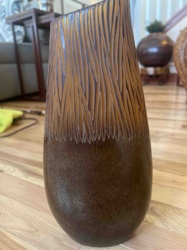
Submitted item photo
Submitted photo · July 3, 2026

User's notes

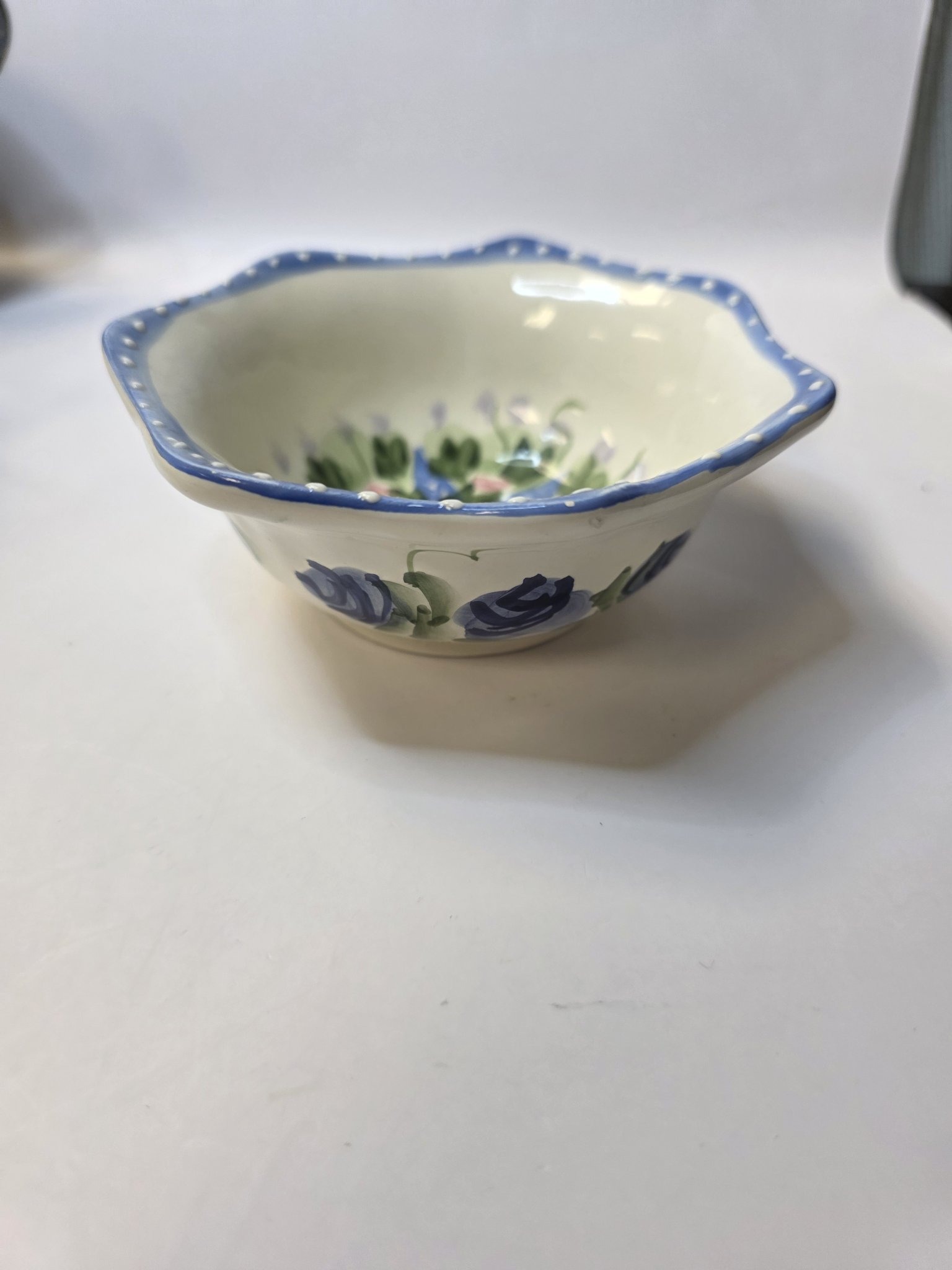
4.5 inch diameter 1.75 inch high hand painted inside and out. Has no markings

AI analysis below

AI appraisal

AI analysis & estimate

AI-Generated · Verify before acting

Everything below is generated by AI for informational purposes only. AI can make mistakes — the AI may misidentify items or misattribute them (artist, maker, brand, designer, origin, era). This is not an official valuation and should not be used for insurance, sale, tax, estate, legal, or lending purposes — or any decision requiring a certified appraisal. It is not an authoritative claim about any person, brand, or rights holder — do not share or rely on it as a factual statement about a third party. Always consult qualified professionals before making financial decisions.

Note

This analysis also relies on unverified notes provided by the user, which may be incomplete or inaccurate and could affect the result.

Read the full disclaimer

AI Identification

·Not independently authenticated·Verify before acting

Hand-Painted Scalloped Ceramic Nut or Sauce Bowl

Decorative Arts - Studio Pottery

AI Estimated Value

·Not an official valuation·Verify before acting

$25.00-$45.00

As of July 3, 2026

AI Item Analysis

·AI can make mistakes·Verify before acting
This ceramic vessel is a small, decorative bowl measuring approximately 4.5 inches in diameter and 1.75 inches in height. The bowl features a distinct six-point scalloped or wavy rim, which adds a stylized floral silhouette to its form. It is constructed from a creamy white earthenware or stoneware base, finished with a smooth, glossy glaze. The piece exhibits hand-painted folk-art style floral motifs both internally and externally. The interior well contains a cluster of blue and pink flowers with green foliage, while the exterior sides are adorned with larger blue rose-like blossoms and trailing green leaves. A notable design element is the periwinkle blue border along the rim, accented with evenly spaced white dots, creating a decorative piping effect. Despite having no visible maker's marks or signatures, the brushwork suggests a studio pottery origin or a localized artisanal production, likely from the late 20th century. The condition appears excellent with no visible chips, cracks, or crazing, maintaining a bright and vibrant color palette. The handmade nature is evident in the slight irregularities of the painted pattern and the organic flow of the scalloped edge, providing a charming, rustic quality characteristic of cottagecore or country-style kitchenware.
AI Appraisal Report

·AI can make mistakes·Verify before acting
I have examined the digital representations of this scalloped ceramic bowl. The piece exhibits characteristic traits of late 20th-century artisan studio pottery, specifically evocative of European folk-art traditions or local craft production influenced by cottagecore aesthetics. The condition appears to be excellent; the glaze maintains high luster without visible crazing, and the hand-painted cobalt and rose pigments remain vibrant. The scalloped rim and 'piped' dot border indicate a high level of manual dexterity, though the lack of a maker's mark suggests a localized hobbyist or secondary-market utility piece rather than a known master potter. Market demand for unsigned contemporary folk art is stable but modest, driven primarily by decorative appeal rather than investment rarity. Comparable pieces of unmarked hand-painted earthenware of this size typically realize prices in the $20 to $50 range at regional estate auctions or specialty vintage boutiques. The most significant factor limiting value is the absence of provenance or a diagnostic signature. My assessment is based solely on visual inspection of the provided images. A definitive valuation would require an in-person examination to verify body composition (e.g., earthenware vs. stoneware), tactile glaze consistency, and a microscopic search for faint incised marks. Additionally, physical inspection is necessary to confirm the absence of professional restorations that might be concealed by the glossy finish. Provenance documentation, such as a purchase receipt from a specific studio or artisan fair, would be required to elevate this piece from a decorative item to a documented work of art.

Get your items appraised

Instant estimates of your treasures with AI-powered appraisals

Browse More Appraisals