AI Appraisal Estimate

AI-generated estimates · not official valuations

From the user

What was submitted

Photo and notes provided by the user — not generated by AI

Submitted item photo
Submitted photo · June 13, 2026

User's notes

No additional notes provided.

AI analysis below

AI appraisal

AI analysis & estimate

AI-Generated · Verify before acting

Everything below is generated by AI for informational purposes only. AI can make mistakes — the AI may misidentify items or misattribute them (artist, maker, brand, designer, origin, era). This is not an official valuation and should not be used for insurance, sale, tax, estate, legal, or lending purposes — or any decision requiring a certified appraisal. It is not an authoritative claim about any person, brand, or rights holder — do not share or rely on it as a factual statement about a third party. Always consult qualified professionals before making financial decisions.

Read the full disclaimer

AI Identification

·Not independently authenticated·Verify before acting

Mid-20th Century Italian Bisque Porcelain Figural Lamp

Antique/Vintage Lighting and Decorative Arts

AI Estimated Value

·Not an official valuation·Verify before acting

$150 - $250

As of June 13, 2026

AI Item Analysis

·AI can make mistakes·Verify before acting
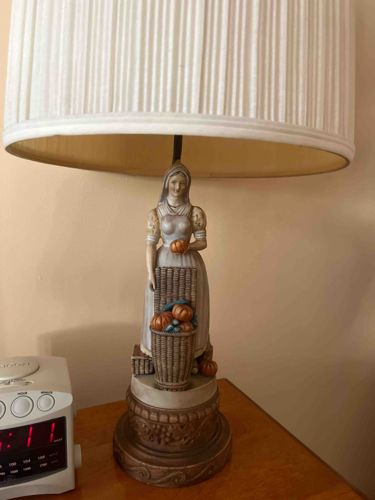
This item is a decorative table lamp featuring a figural base crafted in the style of Italian bisque porcelain, likely dating from the mid-20th century (circa 1950s-1970s). The base depicts a peasant woman or harvester in traditional European attire, standing beside a tall, woven basket filled with pumpkins or fruit. She holds a single pumpkin in her left hand. The figurine is set upon an ornate, multi-tiered circular pedestal base decorated with scrollwork and floral relief patterns. The color palette is composed of muted, earthy tones including cream, soft blues, browns, and vibrant orange for the produce. The construction appears to be molded ceramic or porcelain with a matte 'bisque' finish, characteristic of manufacturers like Capodimonte or similar Continental European workshops. The craftsmanship shows attention to detail in the textures of the woven basket and the drapery of the clothing. Condition-wise, the lamp appears well-maintained with a natural aged patina across the surface and no visible chips or structural cracks in the porcelain from this angle. The top is fitted with a pleated white fabric lampshade that appears to be a later replacement. There are no visible maker's marks from the front, but they would typically be found on the underside of the base or the lower backside of the figurine. The overall aesthetic is representative of the 'L'Amour' or Romanticized pastoral style popular in mid-century interior design.
AI Appraisal Report

·AI can make mistakes·Verify before acting
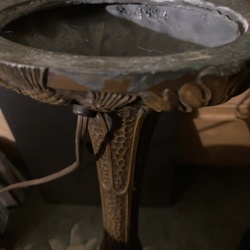
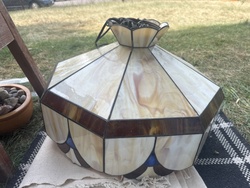
I have completed a visual examination of the Mid-20th Century Italian Bisque Porcelain Figural Lamp. The piece embodies the pastoral romanticism popular in Central European decor during the 1960s. The molding shows moderate detail, particularly in the woven basketry and the facial expression of the harvester. Based on the matte finish and color palette, this is consistent with export-market bisque produced by Italian firms in the Capodimonte style, though likely a mass-market interpretation rather than a premium studio piece. The condition appears excellent; I observe no significant chips to the delicate high-relief areas or 'flea bites' on the scrollwork base. However, the lampshade is a non-original contemporary replacement, which provides functional utility but contributes no historical value. While the aesthetic is charming, market demand for mid-century figural lamps has softened, as current 'Mid-Century Modern' trends favor minimalist silhouettes over ornate Continental porcelain. Comparables for similar unmarked Italian bisque lamps typically hammer at auction between $125 and $200, with retail gallery pricing slightly higher. The value is capped by the lack of a primary manufacturer’s mark (such as a crowned ‘N’) and the generic nature of the subject matter. Limitations: This appraisal is based on photographic evidence only. A physical inspection is required to check for internal hairline cracks and to locate a maker's mark on the underside. Scientific testing of the porcelain paste would be necessary to distinguish between genuine hard-paste porcelain and common earthenware slips often used in later reproductions. Provenance documentation or a verified 'Made in Italy' stamp would further solidify the attribution.

Get your items appraised

Instant estimates of your treasures with AI-powered appraisals

Browse More Appraisals