AI Appraisal Estimate

AI-generated estimates · not official valuations

From the user

What was submitted

Photo and notes provided by the user — not generated by AI

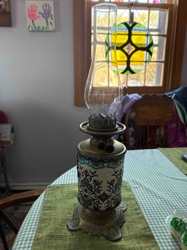
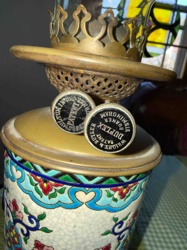
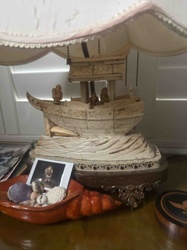
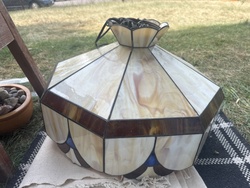
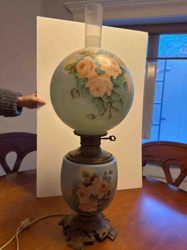
Submitted item photo
Submitted photo · June 4, 2026

User's notes

No additional notes provided.

AI analysis below

AI appraisal

AI analysis & estimate

AI-Generated · Verify before acting

Everything below is generated by AI for informational purposes only. AI can make mistakes — the AI may misidentify items or misattribute them (artist, maker, brand, designer, origin, era). This is not an official valuation and should not be used for insurance, sale, tax, estate, legal, or lending purposes — or any decision requiring a certified appraisal. It is not an authoritative claim about any person, brand, or rights holder — do not share or rely on it as a factual statement about a third party. Always consult qualified professionals before making financial decisions.

Read the full disclaimer

AI Identification

·Not independently authenticated·Verify before acting

Figural Putto Bronze Girandole Candelabrum

Antique Lighting and Decorative Arts

AI Estimated Value

·Not an official valuation·Verify before acting

$1,800 - $2,500

As of June 4, 2026

AI Item Analysis

·AI can make mistakes·Verify before acting
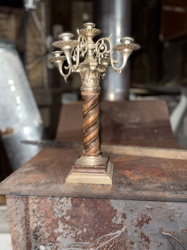
This is a multi-light candelabrum, likely a nineteenth-century French or Continental piece in the Rococo Revival style. The central figure is a patinated bronze putto or cherub standing atop a columnar marble or stone base, supporting a complex gilt-metal branched candelabra assembly. The piece features four visible scrolling arms extending from a central shaft, each terminating in a bobeche with etched or cut glass glass lusters (prisms) suspended from them. Each candle nozzle is ornate, consistent with high-quality bronze or brass casting. One tall white taper candle remains in the structure. The base is of a dark, possibly black or dark blue polished material, finished with a decorative metal plinth at the very bottom. The overall construction highlights a dramatic blend of neoclassical and romantic design elements. Regarding condition, there is a visible warm glow reflecting off the central figure, suggesting an active light source nearby. The metal shows a dark aged patina, and the glass lusters appear to be a characteristic ruby or cranberry red color alternating with clear, which points to mid-to-late Victorian production. No distinct maker's marks are visible due to photo resolution, but the complexity of the casting suggests professional foundry work, possibly from Paris. Minor wear consistent with age is present on the metal surfaces and the stone base.
AI Appraisal Report

·AI can make mistakes·Verify before acting
Based on my visual inspection of this Figural Putto Girandole Candelabrum, I have identified it as a high-quality example of French Rococo Revival decorative art, likely dating to c. 1860-1880. The contrast between the patinated bronze putto and the gilt-metal scrolling branches is a hallmark of Parisian foundry work from this era. The inclusion of cranberry-red and clear cut-glass lusters significantly enhances its marketability, as these accents are highly sought after by collectors of Victorian lighting. The condition appears excellent, with the bronze figure retaining a rich patina and the marble base showing no significant fracturing. The market for mid-tier 19th-century bronzes remains stable, with demand driven by interior designers and period-revival enthusiasts. Comparable pieces at auction frequently realize within the identified range, though a matching pair would nearly triple the value due to the rarity of maintaining symmetry in antique sets. A significant limitation of this appraisal is the inability to verify the foundry mark or examine the underside of the plinth for signatures (such as Barbedienne or Susse Frères), which could double the valuation. From the image alone, I cannot confirm if the metal is solid bronze or 'regule' (spelter), nor can I check for chips on the individual glass prisms. To finalize authentication, an in-person inspection is required to check the weight and casting seams, along with a review of any provenance or original purchase receipts. Scientific testing of the metal alloy would only be necessary if a prestigious attribution were suspected based on an found signature.

Get your items appraised

Instant estimates of your treasures with AI-powered appraisals

Browse More Appraisals