AI Appraisal Estimate

AI-generated estimates · not official valuations

From the user

What was submitted

Photo and notes provided by the user — not generated by AI

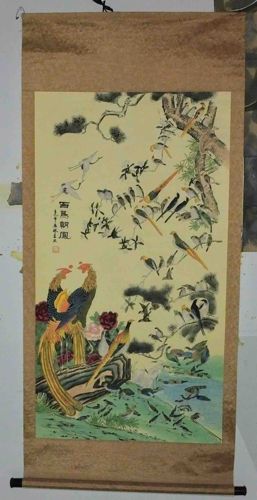
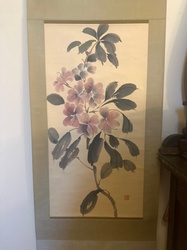
Submitted item photo
Submitted photo · June 8, 2026

User's notes

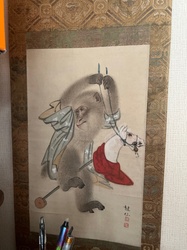
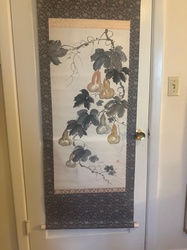
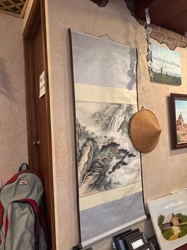
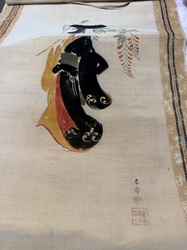
Unknown artist. Asian painting artwork on scroll size 1343 x 2611

AI analysis below

AI appraisal

AI analysis & estimate

AI-Generated · Verify before acting

Everything below is generated by AI for informational purposes only. AI can make mistakes — the AI may misidentify items or misattribute them (artist, maker, brand, designer, origin, era). This is not an official valuation and should not be used for insurance, sale, tax, estate, legal, or lending purposes — or any decision requiring a certified appraisal. It is not an authoritative claim about any person, brand, or rights holder — do not share or rely on it as a factual statement about a third party. Always consult qualified professionals before making financial decisions.

Note

This analysis also relies on unverified notes provided by the user, which may be incomplete or inaccurate and could affect the result.

Read the full disclaimer

AI Identification

·Not independently authenticated·Verify before acting

Traditional Chinese Bird and Flower Hanging Scroll

Fine Art - Asian Paintings & Scrolls

AI Estimated Value

·Not an official valuation·Verify before acting

$1,200 - $1,800

As of June 8, 2026

AI Item Analysis

·AI can make mistakes·Verify before acting
This is a large-format Asian hanging scroll painting, likely of Chinese origin, depicting 'The Hundred Birds Greeting the Phoenix.' The central focus features a male and female phoenix (Fenghuang) perched on an ornamental rock, surrounded by peonies and a diverse array of various bird species including cranes and smaller songbirds set within a landscape of pine trees and water. The artwork is executed in the Gongbi or meticulous realist style, characterized by highly detailed brushwork and a rich polychrome palette including greens, yellows, blues, and reds. The medium appears to be ink and mineral pigments on either silk or treated paper, professionally mounted onto a fabric scroll with a decorative border and a weighted wooden roller at the base. Notable features include a vertical column of calligraphic text accompanied by two red artist seal stamps on the left-central side of the composition. In terms of condition, the mounting displays significant foxing and brown oxidation spots throughout the upper and lower fabric sections, consistent with age and exposure to humidity. The painting itself shows minor creasing from rolling and some slight fading of colors, but the composition remains vibrant. Based on the stylistic execution and the condition of the mount, the piece likely dates from the late 19th to mid-20th century.
AI Appraisal Report

·AI can make mistakes·Verify before acting
I have carefully examined the provided images of this large-format 'Hundred Birds Greeting the Phoenix' hanging scroll. The work demonstrates high-level technical proficiency in the Gongbi (meticulous) style, featuring vibrant mineral pigments and complex composition. The subject matter is highly auspicious, symbolizing harmony and prosperity, which traditionally increases market appeal. My assessment of the physical state reveals significant foxing and oxidation on the silk mounting, suggesting typical aging and exposure to a humid environment, likely dating the piece to the late Qing Dynasty or the Republic Period. While the central image remains structurally sound, the condition of the mounting slightly detracts from the immediate value, as a collector may factor in the cost of conservation or remounting. Comparables for unsigned but high-quality polychrome scrolls of this scale and detail typically fluctuate in the low four-figure range at specialized Asian art auctions. The lack of a definitive attribution to a known master places this as a high-quality decorative or 'studio' piece. Please note that this appraisal is based on digital images alone. True authentication would require an in-person inspection to verify the age of the silk substrate, the composition of the mineral pigments, and a microscopic analysis of the seals to confirm they are hand-carved rather than printed. Provenance documentation, such as original purchase receipts or exhibition history, would be necessary to elevate the valuation toward the higher end of the market spectrum.

Get your items appraised

Instant estimates of your treasures with AI-powered appraisals

Browse More Appraisals