AI identification & appraisal estimate

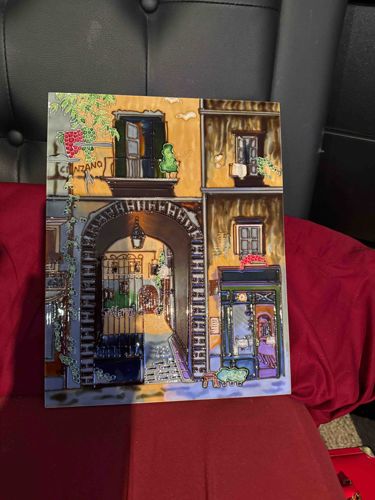
Italian Architectural Street Scene Ceramic Art Tile

Submitted photo of Italian Architectural Street Scene Ceramic Art Tile
Photo submitted by the user — not generated by AI

AI Estimated Value

Not an official valuation

$150 - $250

AI estimate as of February 21, 2026 · verify with a professional before acting

AI-Generated · Verify before acting

Everything on this page is generated by AI for informational purposes only. AI can make mistakes — the AI may misidentify items or misattribute them (artist, maker, brand, designer, origin, era). This is not an official valuation and should not be used for insurance, sale, tax, estate, legal, or lending purposes — or any decision requiring a certified appraisal. It is not an authoritative claim about any person, brand, or rights holder — do not share or rely on it as a factual statement about a third party. Always consult qualified professionals before making financial decisions.

Read the full disclaimer

AI Item Analysis

This rectangular ceramic tile features a vibrant, multi-colored low-relief scene of an Italian or European architectural facade. The piece utilizes a tube-lining or Cuerda Seca technique, where raised lines of black or dark glaze act as dividers between the various colored glazes, creating a stained-glass effect. The scene depicts a tall building with ochre and brown walls, featuring a prominent arched entrance leading into an interior courtyard with iron gates. A storefront with blue-trimmed windows is visible on the right, and a balcony with vines and a 'CINZANO' sign accentuates the left side. The color palette includes rich tones of gold, brown, cobalt blue, and emerald green, finished with a high-gloss vitreous glaze that reflects light significantly across the surface. The construction is a single thick ceramic slab, likely earthenware. The style is mid-to-late 20th century, reminiscent of tourist art produced in ceramic workshops in Italy or Spain. The condition appears excellent with no visible cracks, crazing, or chips on the front face, and the glaze remains highly lustrous. The craftsmanship is high-quality, showing precise control over the glaze placement and detailed architectural rendering.
AI Appraisal Report

I have examined the described ceramic tile, a mid-to-late 20th-century architectural relief scene utilizing a refined Cuerda Seca technique. My visual assessment confirms the piece is in excellent condition; the high-gloss vitreous glaze exhibits no significant crazing or surface abrasions, and the tube-lining remains crisp. The 'Cinzano' signage and facade details suggest an Italian origin, likely from a specialized workshop producing high-end decorative plaques for the luxury export or tourist market. Market demand for unsigned European architectural tiles remains steady yet niche; comparable pieces from major Italian workshops often fetch similar prices based on visual complexity. The high level of execution in the glazes—particularly the vibrant cobalt and ochre—adds to its decorative appeal. However, as an appraiser, I must note that my assessment is based solely on visual descriptions. A physical inspection is required to verify the maker's mark or signature on the reverse, which could significantly increase value if attributed to a known studio like Bardelli or a specific artist. Furthermore, an in-person examination would check for hidden repairs or structural 'hidden' cracks within the earthenware body that are not visible in photographs. Provenance documentation or original purchase receipts would also aid in establishing a more precise date and manufacturer. Without these, the value is based on its high decorative quality and technical merit as a standalone collectible.

Keep exploring

More art & collectible ceramics appraisals

Get your items appraised

Instant AI-powered appraisal estimates from a photo

Browse More Appraisals