Japanese Damascene Chokin Art Porcelain Dish
Asian Art & Collectibles / Ceramics and Metalwork

Japanese Damascene Chokin Art Porcelain Dish

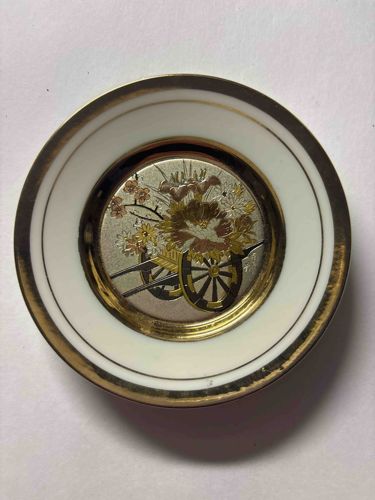
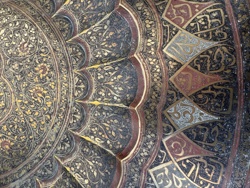
This is a small decorative porcelain dish featuring a central metallic inlay known as Chokin art, a traditional Japanese metal engraving technique. The piece is circular with a white glazed porcelain well, accented by a thick gilded gold-toned rim and a thin interior pinstripe. The center medallion displays an elaborate floral arrangement set within a traditional 'Hana-guruma' (flower cart), symbolizing prosperity and celebration. The cart and flora (likely peonies and plum blossoms) are rendered in contrasting metallic tones of gold and silver against a dark, possibly oxidized or patinated background. This style peaked in popularity during the mid-to-late 20th century as high-quality topographical or nature-themed souvenirs. Physically, the dish exhibits some wear consistent with age, specifically light scuffing and thinning of the gold leaf along the outermost rim and minor surface oxidation within the metal engraving. The craftsmanship is high, evidenced by the intricate cross-hatching and etching in the metalwork and the precise application of the circular gilding on the porcelain body. Such pieces were often produced by companies using the 24K gold and silver plating method on copper or brass discs.
Estimated Value

$25.00 - $45.00

Basic Information

Category

Asian Art & Collectibles / Ceramics and Metalwork

Appraised On

February 24, 2026

Estimated Value

$25.00 - $45.00

Additional Details Provided By Owner

User Provided Information

Antique dish

Item Description

This is a small decorative porcelain dish featuring a central metallic inlay known as Chokin art, a traditional Japanese metal engraving technique. The piece is circular with a white glazed porcelain well, accented by a thick gilded gold-toned rim and a thin interior pinstripe. The center medallion displays an elaborate floral arrangement set within a traditional 'Hana-guruma' (flower cart), symbolizing prosperity and celebration. The cart and flora (likely peonies and plum blossoms) are rendered in contrasting metallic tones of gold and silver against a dark, possibly oxidized or patinated background. This style peaked in popularity during the mid-to-late 20th century as high-quality topographical or nature-themed souvenirs. Physically, the dish exhibits some wear consistent with age, specifically light scuffing and thinning of the gold leaf along the outermost rim and minor surface oxidation within the metal engraving. The craftsmanship is high, evidenced by the intricate cross-hatching and etching in the metalwork and the precise application of the circular gilding on the porcelain body. Such pieces were often produced by companies using the 24K gold and silver plating method on copper or brass discs.
Get Your Items Appraised

Instant estimates of your treasures with AI-powered instant appraisals

Browse More Appraisals