AI Appraisal Estimate

AI-generated estimates · not official valuations

From the user

What was submitted

Photo and notes provided by the user — not generated by AI

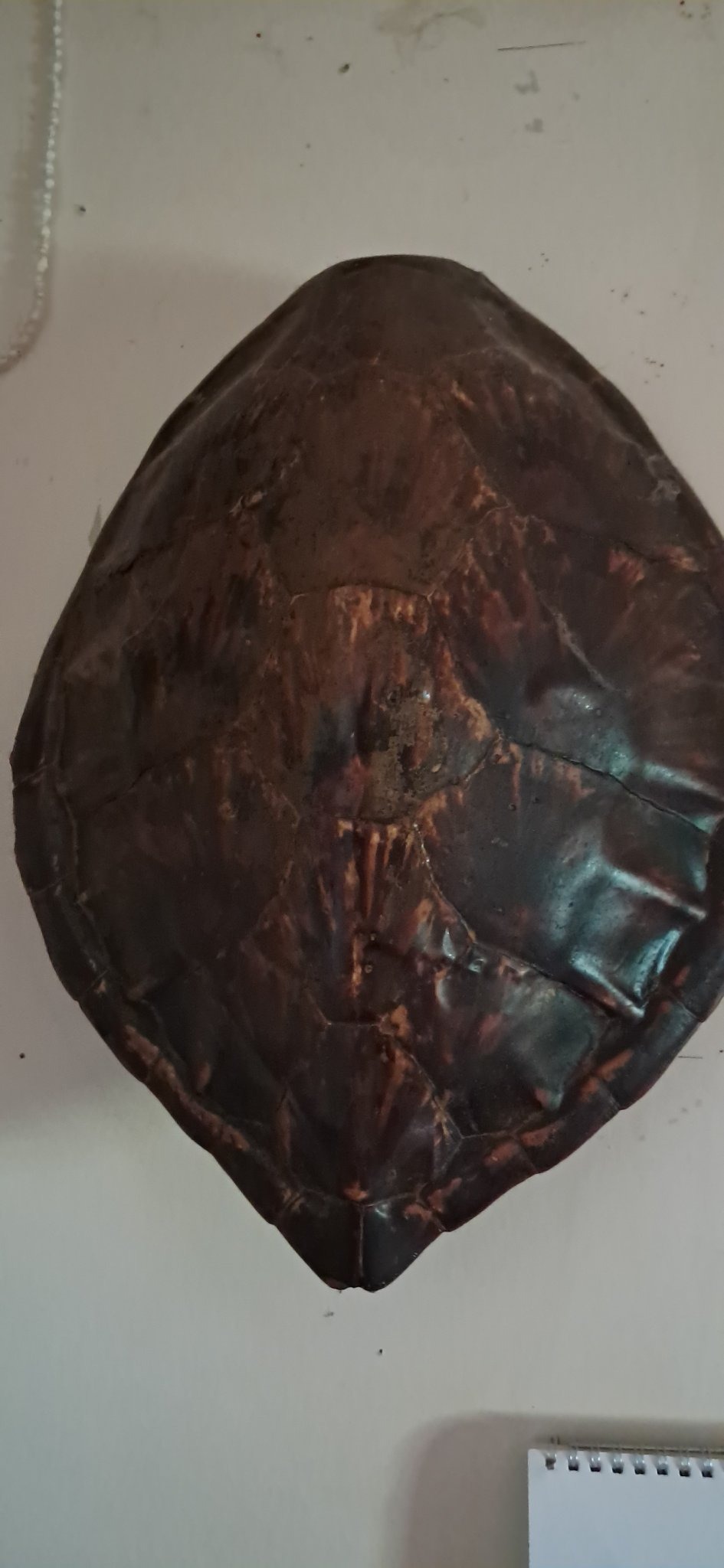
Submitted item photo
Submitted photo · June 27, 2026

User's notes

Category: Art sea turtle shell

AI analysis below

AI appraisal

AI analysis & estimate

AI-Generated · Verify before acting

Everything below is generated by AI for informational purposes only. AI can make mistakes — the AI may misidentify items or misattribute them (artist, maker, brand, designer, origin, era). This is not an official valuation and should not be used for insurance, sale, tax, estate, legal, or lending purposes — or any decision requiring a certified appraisal. It is not an authoritative claim about any person, brand, or rights holder — do not share or rely on it as a factual statement about a third party. Always consult qualified professionals before making financial decisions.

Note

This analysis also relies on unverified notes provided by the user, which may be incomplete or inaccurate and could affect the result.

Read the full disclaimer

AI Identification

·Not independently authenticated·Verify before acting

Turtle carapace-style display piece

Natural History Artifacts

AI Estimated Value

·Not an official valuation·Verify before acting

$400 - $800

As of June 27, 2026

AI Item Analysis

·AI can make mistakes·Verify before acting
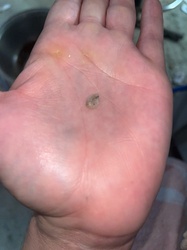
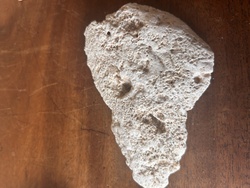
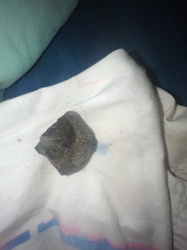
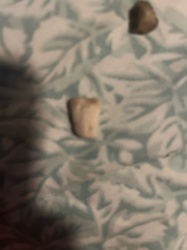
This item appears to be the carapace of a turtle, consistent in shape and scute pattern with various sea turtle species, as noted by the user-supplied identification of 'sea turtle shell'. From the photograph, the item exhibits an oval, slightly teardrop shape with a darkened, brownish-black finish that appears polished or lacquered. The surface shows a systematic arrangement of scutes typical of chelonian anatomy, with central vertebral scutes flanked by costal plates. There are visible signs of wear, including localized pitting, superficial scratches, and areas where the surface coating appears thin or uneven. Several hairline cracks are visible along the plate margins, which is consistent with the natural drying or aging of organic keratinous material. No maker's marks or signatures are visible. While the user identifies this as a sea turtle shell, it is important to note that without physical inspection, it is impossible to distinguish between a natural specimen and a high-quality reproduction made from resin or composite materials. Furthermore, many such species are subject to strict international trade regulations (such as CITES), and this identification remains unverified. The age is difficult to determine from an image but is stylistically consistent with 20th-century taxidermy or decorative curios.
AI Appraisal Report

·AI can make mistakes·Verify before acting
Based on the provided imagery, the item displays morphological characteristics consistent with a sea turtle carapace, as noted in the user's submission. From what I can see, the darkened finish and surface wear suggest a mid-20th-century decorative piece. However, I cannot verify from a photo whether this is a natural specimen or a resin-based reproduction. The value estimate is predicated on the assumption that this is a natural artifact; if it is identified as a composite or resin replica, the value would likely decrease to the $100–$250 range. Physical inspection is required to determine the material composition and to check for diagnostic features that distinguish between species and synthetic materials. Market demand for natural history specimens remains steady among collectors of curiosities, though it is heavily influenced by legal restrictions. Because many marine species are subject to international trade regulations like CITES, the lack of documented provenance or permits significantly impacts marketability and value. The current estimate assumes the item can be legally traded within its current jurisdiction. To obtain a more precise valuation, an in-person examination by a natural history expert and scientific testing of the keratinous layers would be necessary to establish the exact species and age, as well as to ensure compliance with relevant conservation laws. A physical assessment would also clarify if the hairline cracks along the plates are indicative of natural desiccation or molding artifacts found in high-quality copies. Consequently, this appraisal should be treated as a hypothesis based on visual evidence rather than a statement of fact regarding the item's material or origin.

Get your items appraised

Instant estimates of your treasures with AI-powered appraisals

Browse More Appraisals