AI Appraisal Estimate

AI-generated estimates · not official valuations

From the user

What was submitted

Photo and notes provided by the user — not generated by AI

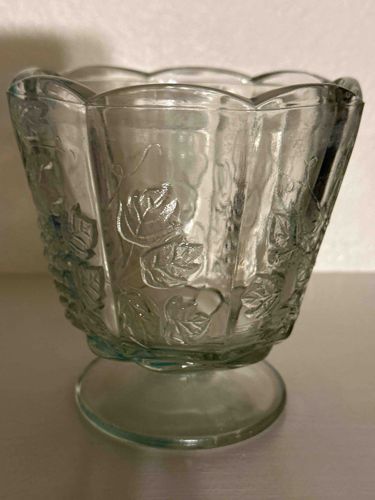
Submitted item photo
Submitted photo · June 25, 2026

User's notes

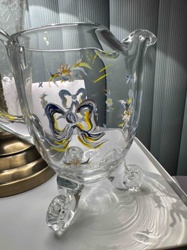
Clear vase with slightly tinted glass with scalloped rim and designs of clusters of grapes and grape leaves and mines around the perimeter

AI analysis below

AI appraisal

AI analysis & estimate

AI-Generated · Verify before acting

Everything below is generated by AI for informational purposes only. AI can make mistakes — the AI may misidentify items or misattribute them (artist, maker, brand, designer, origin, era). This is not an official valuation and should not be used for insurance, sale, tax, estate, legal, or lending purposes — or any decision requiring a certified appraisal. It is not an authoritative claim about any person, brand, or rights holder — do not share or rely on it as a factual statement about a third party. Always consult qualified professionals before making financial decisions.

Note

This analysis also relies on unverified notes provided by the user, which may be incomplete or inaccurate and could affect the result.

Read the full disclaimer

AI Identification

·Not independently authenticated·Verify before acting

Pressed Glass Footed Rose Bowl with Grape and Vine Motif

Antique and Vintage Glassware

AI Estimated Value

·Not an official valuation·Verify before acting

$15.00 - $25.00

As of June 25, 2026

AI Item Analysis

·AI can make mistakes·Verify before acting
This item is a footed glass bowl or small vase, likely made of soda-lime glass with a faint greenish or 'coke-bottle' blue tint, characteristic of mid-20th-century mass-produced glassware. The piece features a stout, pedestal-style base and a flared, wide body terminating in a scalloped or 'pie crust' rim. The primary decorative element is an embossed or pressed pattern featuring clusters of grapes, broad grape leaves, and winding vines that wrap around the circumference of the vessel. The construction shows distinct vertical seams, indicating it was produced using a multi-part mold system typical of pressed glass. The glass is relatively thick, suggesting durability and a utilitarian weight. The overall condition appears excellent with no visible chips or significant fractures, though there is a natural aged patina and slight surface scuffing consistent with domestic use. While no maker's marks are immediately visible in the image, the style and motif are highly reminiscent of pieces produced by North American companies like Imperial Glass or Indiana Glass during the Depression era or immediately following. The craftsmanship is solid for its class, with clear detail in the foliage and fruit textures, making it a classic example of vintage American tableware.
AI Appraisal Report

·AI can make mistakes·Verify before acting
I have examined the digital representation of this pressed glass footed rose bowl. Based on the visible characteristics—specifically the distinct mold seams, the 'Harvest' grape and vine motif, and the thick, tinted soda-lime glass—I identify this as a mid-20th-century production, most likely by Indiana Glass Company. While the motif takes inspiration from earlier Depression-era patterns, the structural composition and scalloped rim style suggest a production date between the 1950s and 1970s. The condition appears to be 'Fine' to 'Very Good,' with no evident flea bites or heat cracks, though the surface scuffing noted is typical for utilitarian household items of this vintage. The current market for mid-century pressed glass remains saturated. Large-scale domestic production by firms like Indiana Glass and Imperial Glass ensures a high surviving volume of these pieces. Similar 'Harvest' patterns in clear or faint green tint frequently appear at estate sales and online marketplaces, typically realizing prices in the $15–$25 range. The value is driven primarily by decorative appeal rather than rarity or collector demand. Limitations: This appraisal is based solely on visual evidence. A physical inspection is required to check for 'sick glass' (internal clouding), verify the absence of microscopic chips along the base foot, and confirm the glass weight. While the mold features are consistent with Indiana Glass, definitive attribution often requires checking for subtle manufacturer variations or original foil labels. No scientific testing was performed; however, the value of this specific category of glassware rarely justifies the cost of chemical analysis or formal provenance research.

Get your items appraised

Instant estimates of your treasures with AI-powered appraisals

Browse More Appraisals