AI Appraisal Estimate

AI-generated estimates · not official valuations

From the user

What was submitted

Photo and notes provided by the user — not generated by AI

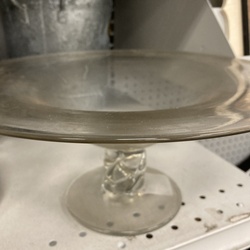
Submitted item photo
Submitted photo · June 4, 2026

User's notes

No additional notes provided.

AI analysis below

AI appraisal

AI analysis & estimate

AI-Generated · Verify before acting

Everything below is generated by AI for informational purposes only. AI can make mistakes — the AI may misidentify items or misattribute them (artist, maker, brand, designer, origin, era). This is not an official valuation and should not be used for insurance, sale, tax, estate, legal, or lending purposes — or any decision requiring a certified appraisal. It is not an authoritative claim about any person, brand, or rights holder — do not share or rely on it as a factual statement about a third party. Always consult qualified professionals before making financial decisions.

Read the full disclaimer

AI Identification

·Not independently authenticated·Verify before acting

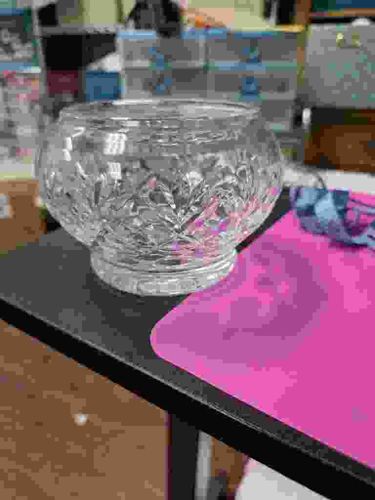
Pressed Glass Rose Bowl with Floral Motif

Antique and Vintage Glassware

AI Estimated Value

·Not an official valuation·Verify before acting

$25.00-$45.00

As of June 4, 2026

AI Item Analysis

·AI can make mistakes·Verify before acting
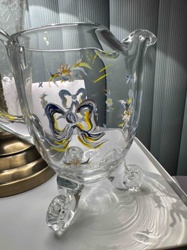
This item is a clear pressed glass rose bowl, characterized by its bulbous, globular body and a slightly constricted rim that curves inward to support stems or contain fragrance. The bowl features an intricate, all-over pattern of embossed floral and leaf motifs, likely a daisy or button and rose pattern common in late 19th to early 20th-century American Brilliant period imitations. The bowl sits on a short, integrated pedestal base that is circular and smooth at the bottom. Measurement is estimated to be approximately 5 to 6 inches in diameter. The glass appears clear without significant clouding or 'sickness,' though the lower resolution of the image makes it difficult to ascertain micro-scratches or flea bites along the textured edges. The craftsmanship indicates a mass-production technique where molten glass was pressed into a mold, visible by the uniform repeating pattern and potentially faint mold seams. There are no visible maker's marks or signatures in the provided view, which is typical for vintage glass of this utilitarian style. The overall condition appears fair to good with no large chips or cracks visible. This style of vessel was popular from the Victorian era through the mid-20th century as a decorative center piece for parlor tables.
AI Appraisal Report

·AI can make mistakes·Verify before acting
I have conducted a visual examination of the clear pressed glass rose bowl. The vessel exhibits a standard globose form with an inverted rim, typical of early to mid-20th-century American decorative glassware. Based on the uniform repeating pattern of the floral and leaf motifs and the visible thickness of the glass, I have identified this as a mold-pressed piece rather than hand-cut crystal. This technique was used extensively by companies like Fenton, Westmoreland, and Imperial to mimic the 'Brilliant Period' look for the mass market. The condition appears fair to good from this digital view; however, the lack of visible clouding or 'sick glass' suggests it has been well-maintained. The primary value drivers for this category are pattern desirability and physical integrity. Common patterns like this were produced in high volumes, making it a 'utilitarian decorative' item rather than a rare collector's specimen. The current secondary market for non-signed pressed glass remains soft, with supply generally exceeding demand from younger demographic collectors. Critically, a definitive appraisal is limited by the digital format. In-person inspection is required to check for 'flea bites' along the textured ridges, internal heat cracks, or distinctive mold marks that could pinpoint a specific manufacturer. Authentication of age would require checking for bottom-wear consistent with archival shelf life and testing the glass under UV light to check for manganese or selenium fluorescence, which can indicate specific production eras. No manufacturer’s mark was visible, which is common but limits the premium value associated with known glass houses. This valuation reflects a fair market price for a decorative vintage piece in a retail or antique mall setting.

Get your items appraised

Instant estimates of your treasures with AI-powered appraisals

Browse More Appraisals