Art Nouveau Porcelain Double-Handled Vase
Antiques & Collectibles - Ceramics & Ceramics & Porcelain

Art Nouveau Porcelain Double-Handled Vase

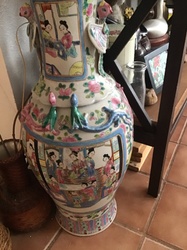
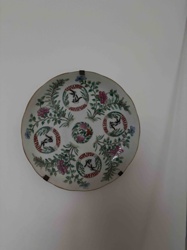
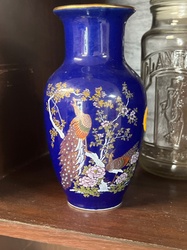
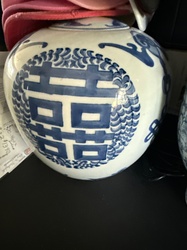
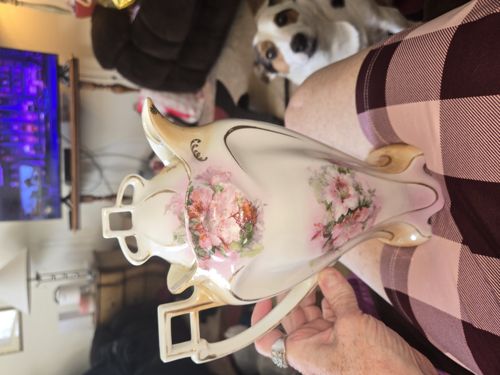
This is a decorative Art Nouveau porcelain vase featuring an elegant, asymmetrical silhouette with organic, flowing lines characteristic of the turn-of-the-century aesthetic. The piece is constructed from fine white porcelain, exhibiting a soft cream-to-blush gradient glaze in the recessed areas. It features two prominent, geometric openwork handles that integrate architecturally into the body. The central decorative motif consists of hand-painted or high-quality transfer-applied pink floral bouquets, possibly roses or peonies, set against the pale background. Notable gold gilt accents outline the rim, handles, and sculptural contours, though some rubbing and loss of gilding are visible at the high points, indicating moderate age and handling. A small chip is visible on the upper curved rim. The style suggests a late 19th to early 20th-century European origin, likely from a German, Austrian, or French manufacturer such as Royal Bonn or RS Prussia. The craftsmanship is high, with intricate molded details and a delicate luster finish that enhances its ornamental appeal.


Estimated Value

$150-$225

Basic Information

Category

Antiques & Collectibles - Ceramics & Ceramics & Porcelain

Appraised On

January 9, 2026

Estimated Value

$150-$225

Item Description

This is a decorative Art Nouveau porcelain vase featuring an elegant, asymmetrical silhouette with organic, flowing lines characteristic of the turn-of-the-century aesthetic. The piece is constructed from fine white porcelain, exhibiting a soft cream-to-blush gradient glaze in the recessed areas. It features two prominent, geometric openwork handles that integrate architecturally into the body. The central decorative motif consists of hand-painted or high-quality transfer-applied pink floral bouquets, possibly roses or peonies, set against the pale background. Notable gold gilt accents outline the rim, handles, and sculptural contours, though some rubbing and loss of gilding are visible at the high points, indicating moderate age and handling. A small chip is visible on the upper curved rim. The style suggests a late 19th to early 20th-century European origin, likely from a German, Austrian, or French manufacturer such as Royal Bonn or RS Prussia. The craftsmanship is high, with intricate molded details and a delicate luster finish that enhances its ornamental appeal.
Get Your Items Appraised

Instant estimates of your treasures with AI-powered instant appraisals

Browse More Appraisals