AI Appraisal Estimate

AI-generated estimates · not official valuations

From the user

What was submitted

Photo and notes provided by the user — not generated by AI

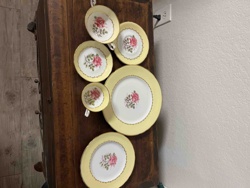
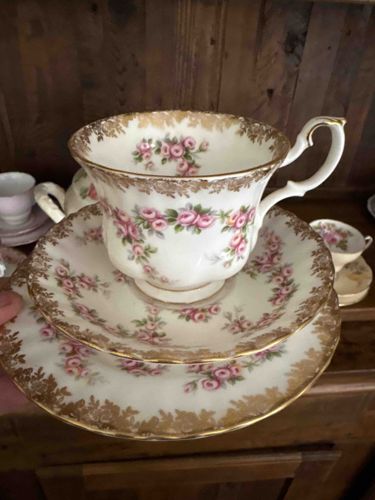
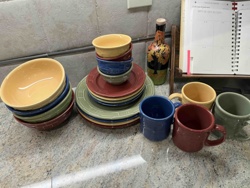
Submitted item photo
Submitted photo · June 12, 2026

User's notes

Royal Albert dimity rose teacup, saucer and plate

AI analysis below

AI appraisal

AI analysis & estimate

AI-Generated · Verify before acting

Everything below is generated by AI for informational purposes only. AI can make mistakes — the AI may misidentify items or misattribute them (artist, maker, brand, designer, origin, era). This is not an official valuation and should not be used for insurance, sale, tax, estate, legal, or lending purposes — or any decision requiring a certified appraisal. It is not an authoritative claim about any person, brand, or rights holder — do not share or rely on it as a factual statement about a third party. Always consult qualified professionals before making financial decisions.

Note

This analysis also relies on unverified notes provided by the user, which may be incomplete or inaccurate and could affect the result.

Read the full disclaimer

AI Identification

·Not independently authenticated·Verify before acting

Royal Albert Dimity Rose Teacup, Saucer, and Side Plate Trio

Dinnerware Set

AI Estimated Value

·Not an official valuation·Verify before acting

$40 - $60

As of June 12, 2026

AI Item Analysis

·AI can make mistakes·Verify before acting
This item is identified as a Royal Albert 'Dimity Rose' tea trio, comprising a teacup, its matching saucer, and a side or dessert plate. The set is crafted from fine bone china, characterized by its translucent white body. The dominant decorative motif features delicate clusters of small pink roses in various stages of bloom, interspersed with subtle green foliage, scattered across the interior and exterior of the teacup, as well as the surface of both the saucer and the plate. A notable feature is the lavish use of ornate gold trim. The rim of the teacup, its handle, the inner ring of the saucer, the scalloped edge of the saucer, and the scalloped edge of the side plate are all richly embellished with a wide band of intricate gold detailing, depicting a scrollwork or foliate pattern. The teacup itself has a classic Montrose shape with a gently flared rim and a comfortable-looking handle adorned with gold accents. The saucer and plate both exhibit a gently scalloped edge, further enhancing their elegant appearance. From the image, the items appear to be in good vintage condition, with no immediately visible chips, cracks, or repairs, though some minor wear to the gold gilding might be present given its age. The craftsmanship suggests a mid-20th-century style, characteristic of Royal Albert's popular floral patterns. The overall impression is one of traditional elegance and high-quality porcelain ware, typical of British manufacturers in this period.
AI Appraisal Report

·AI can make mistakes·Verify before acting
Based on my visual examination of the provided image, this Royal Albert 'Dimity Rose' tea trio presents as a charming example of classic mid-20th-century English bone china. The 'Dimity Rose' pattern is a well-known and generally well-regarded design by Royal Albert, characterized by its delicate pink rose clusters and extensive gold trim. The items appear to be in good vintage condition, exhibiting no obvious chips, cracks, or repairs, which is a positive indicator. The consistent design across the teacup, saucer, and side plate suggests authenticity as a genuine Royal Albert set. Market conditions for vintage Royal Albert 'Dimity Rose' are generally stable but not experiencing significant surges in value. While popular, it is not considered exceptionally rare. Complete trios like this are desirable for collectors and those seeking elegant tableware. Comparables for 'Dimity Rose' trios in similar condition typically range from $30 to $70, depending on the seller, platform, and precise condition of the gilding. Factors impacting value include the overall state of the delicate roses, but primarily the condition of the gold trim; any significant wear or rubbing to the gilding would modestly decrease its market appeal and value. It is crucial to note the limitations of an appraisal based solely on images. While the visual cues are strong for authenticity, a definitive verification would require an in-person examination to assess the exact quality of the bone china, the tactile condition of the gold trim for wear not visible in photographs, and to check for any hairline cracks or minor restorations. Furthermore, the absence of manufacturer's marks (backstamps) in the provided information prevents a full authentication; an in-person inspection would confirm the Royal Albert mark, which is essential for ensuring authenticity and proper dating of the piece.

Get your items appraised

Instant estimates of your treasures with AI-powered appraisals

Browse More Appraisals