AI Appraisal Estimate

AI-generated estimates · not official valuations

From the user

What was submitted

Photo and notes provided by the user — not generated by AI

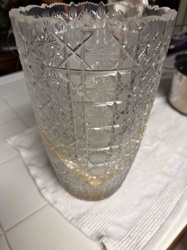
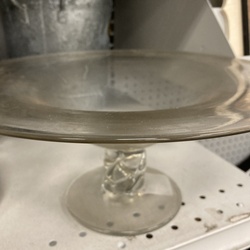
Submitted item photo
Submitted photo · June 20, 2026

User's notes

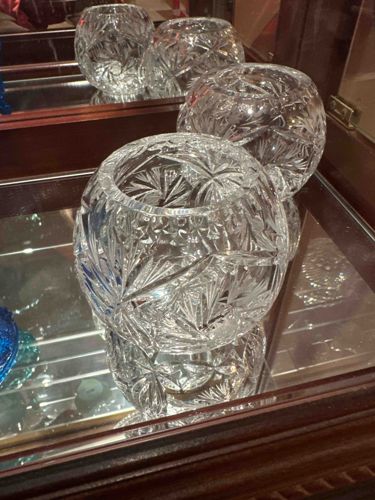
Clear, heavy round bud vase with pattern of cut designs in the glass around the perimeter

AI analysis below

AI appraisal

AI analysis & estimate

AI-Generated · Verify before acting

Everything below is generated by AI for informational purposes only. AI can make mistakes — the AI may misidentify items or misattribute them (artist, maker, brand, designer, origin, era). This is not an official valuation and should not be used for insurance, sale, tax, estate, legal, or lending purposes — or any decision requiring a certified appraisal. It is not an authoritative claim about any person, brand, or rights holder — do not share or rely on it as a factual statement about a third party. Always consult qualified professionals before making financial decisions.

Note

This analysis also relies on unverified notes provided by the user, which may be incomplete or inaccurate and could affect the result.

Read the full disclaimer

AI Identification

·Not independently authenticated·Verify before acting

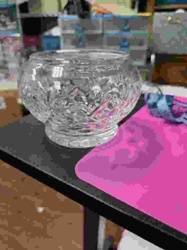
Pinwheel Pattern Cut Glass Rose Bowl

Antique and Vintage Glassware

AI Estimated Value

·Not an official valuation·Verify before acting

$45.00 - $75.00

As of June 20, 2026

AI Item Analysis

·AI can make mistakes·Verify before acting
This item is a clear, heavy lead crystal bud vase or rose bowl featuring a classic pinwheel or starburst cut glass pattern. The vessel is spherical in shape with a slightly flattened circular opening at the top, consistent with rose bowl designs intended to support short-stemmed flowers. The exterior is densely decorated with deep-cut geometric motifs, most notably large pinwheels with fanned rays, subdivided by cross-hatched diamond patterns and wedge cuts that enhance the refractive qualities of the glass. The glass appears exceptionally clear and bright, indicating a high lead content characteristic of fine crystal. The item has significant visual weight and the cuts are sharp and precise, suggesting mid-20th-century craftsmanship, likely originating from European factories such as those in the Czech Republic (Bohemia) or Poland. The condition appears excellent with no visible chips, clouding, or significant surface scratches, maintaining a high luster. The base is likely flat and polished to provide stability. This style of brilliant cut glass was most popular from the late 19th century through the mid-1900s, though it remains a staple of traditional table decor.
AI Appraisal Report

·AI can make mistakes·Verify before acting
Based on my examination of this Pinwheel Pattern Cut Glass Rose Bowl, the item presents as a high-quality piece of 24% lead crystal, likely produced in the Bohemian (Czech) or Polish tradition during the mid-20th century. The cuts are deep and precise, creating the characteristic 'brilliant' refraction expected of leaded glass. My visual inspection indicates the item is in excellent condition; the absence of 'sick' or cloudy glass and the lack of visible flea bites on the sharp geometric edges suggest it was well-maintained. The 'Pinwheel' or 'Pinwheel and Star' motif is a classic of the American Brilliant Period (ABP) revival, though this specific piece's geometry and clarity align more closely with European exports from 1950–1970 rather than the late 19th-century originals. Current market conditions for traditional cut glass remain stable but soft, as younger collectors favor minimalist styles. Comparables for unsigned European crystal rose bowls of this 4-to-6 inch diameter size typically hammer between $40 and $80 at specialty glass auctions. The value is buoyed by its condition and practical utility as a decorative bud vase. Note: This appraisal is based on photographic evidence. Without a physical inspection, I cannot verify the presence of an acid-etched signature (such as Waterford or Baccarat, which would significantly increase value) nor can I feel for the 'greasy' texture or hear the sustained resonance (ring) that confirms lead content. A full authentication would require inspecting the base for shelf wear to confirm age and a black-light test to check for the manganese or uranium fluorescence typical of different glass eras.

Get your items appraised

Instant estimates of your treasures with AI-powered appraisals

Browse More Appraisals