AI Appraisal Estimate

AI-generated estimates · not official valuations

From the user

What was submitted

Photo and notes provided by the user — not generated by AI

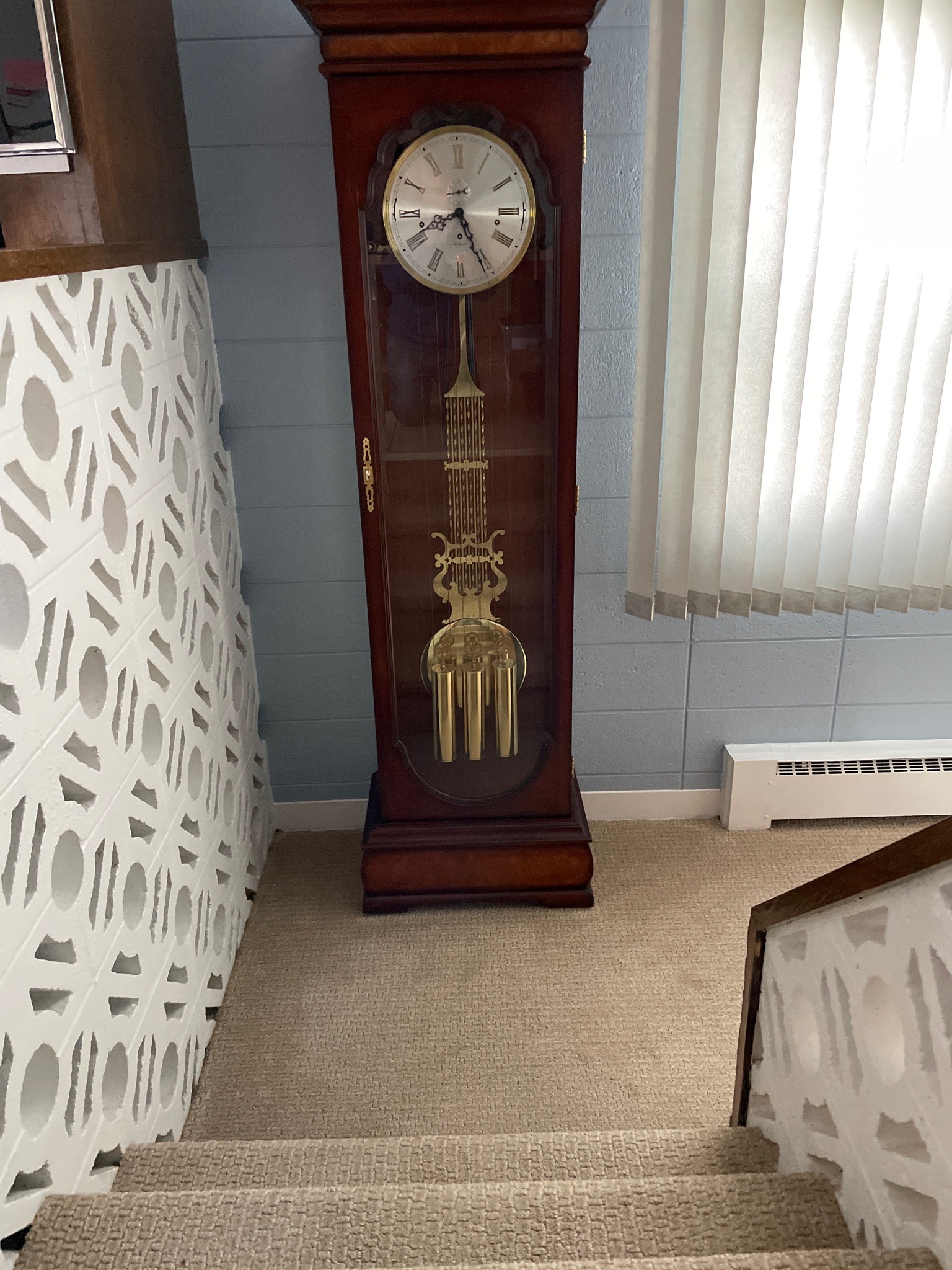
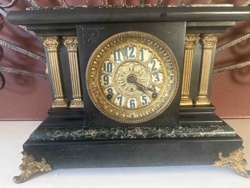
Submitted item photo
Submitted photo · June 17, 2026

User's notes

Herman miller

AI analysis below

AI appraisal

AI analysis & estimate

AI-Generated · Verify before acting

Everything below is generated by AI for informational purposes only. AI can make mistakes — the AI may misidentify items or misattribute them (artist, maker, brand, designer, origin, era). This is not an official valuation and should not be used for insurance, sale, tax, estate, legal, or lending purposes — or any decision requiring a certified appraisal. It is not an authoritative claim about any person, brand, or rights holder — do not share or rely on it as a factual statement about a third party. Always consult qualified professionals before making financial decisions.

Note

This analysis also relies on unverified notes provided by the user, which may be incomplete or inaccurate and could affect the result.

Read the full disclaimer

AI Identification

·Not independently authenticated·Verify before acting

Howard Miller Grandfather Clock

Furniture / Clocks

AI Estimated Value

·Not an official valuation·Verify before acting

$800 - $1,200

As of June 17, 2026

AI Item Analysis

·AI can make mistakes·Verify before acting
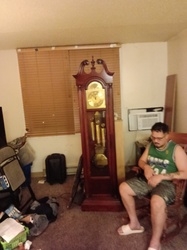
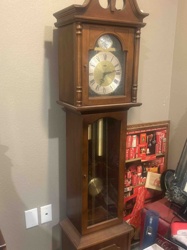
This is a traditional floor-standing grandfather clock, likely manufactured by the Howard Miller Clock Company, given the context provided. The piece features a tall, slim cabinet constructed from solid hardwoods and veneers with a rich cherry or mahogany finish. The design includes a scalloped, arched bonnet top and a full-length glass inset door that reveals a polished brass lyre pendulum and three polished brass weights. The clock face is finished in a silver-tone with an outer ring of black Roman numerals, scrolled filigree hands, and a brass-finished bezel. Below the face, the pendulum is elegantly detailed with a decorative cast center disk that matches the weights. The cabinetry sits on a substantial molded plinth base. Structurally, the clock appears to be in very good vintage condition with no visible cracks in the glass or significant gouges in the wood. The brass components show a bright, reflective finish with minimal visible oxidation or patina. Based on the styling and brass mechanical components, this item likely dates from the late 20th century (circa 1980s-1990s). The craftsmanship is characteristic of high-quality American clockmaking, designed as a focal decorative and functional timepiece for a domestic interior. High-quality features include the multi-tiered base molding and the precision-aligned dial.
AI Appraisal Report

·AI can make mistakes·Verify before acting
Based on my visual examination of this traditional Howard Miller floor clock, I find it to be a well-maintained example of late 20th-century American horology. While the owner mentioned 'Herman Miller,' the design and components—specifically the lyre pendulum and decorative brass weights—are characteristic of the Howard Miller Clock Company (a separate entity established by Herman Miller’s son). The piece exhibits high-quality craftsmanship, including an arched bonnet and a multi-tiered plinth base. The brass-finished dial with Roman numerals and the polished weights appear to be in excellent condition with no significant oxidation or pitting. The market for mid-to-late 20th-century grandfather clocks is currently stable but selective. While these clocks were expensive at their time of purchase, the modern resale market is driven by decorative appeal and mechanical functionality. This specific model, featuring the polished brass lyre pendulum and solid wood construction, remains a desirable focal piece for traditional interiors. Limitations to this digital appraisal include the inability to inspect the movement; the value assumes the clock is in full working order and that it features a triple-chime movement (such as Kieninger or an equivalent). To provide a definitive authentication, I would need to inspect the movement's model number, verify the presence of the original manual, and ensure no internal mechanical wear or leveling issues exist. Furthermore, a physical inspection of the wood finish is required to rule out minor surface abrasions or sun-fading not visible in the provided image.

Get your items appraised

Instant estimates of your treasures with AI-powered appraisals

Browse More Appraisals