AI identification & appraisal estimate

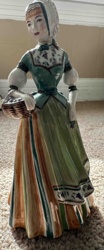
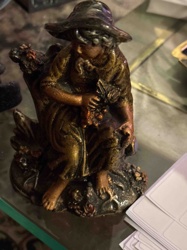
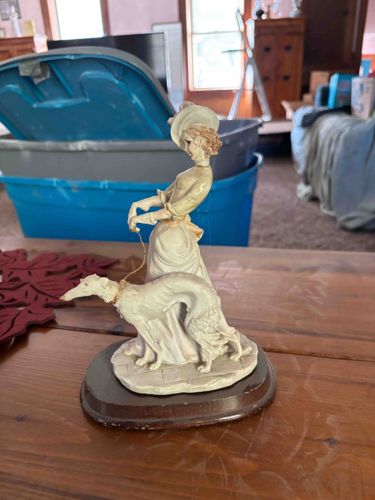
Woman with Borzoi Dog Figurine

This name is the AI's identification of the item — it may be incorrect.

Submitted photo of Woman with Borzoi Dog Figurine
Photo submitted by the user — not generated by AI

User's notes

No brand. Good condition

These notes were written by the person who submitted this item. Appraiser.AI has not verified them, and the AI's identification and estimate may rely on them.

AI Estimated Value

Not an official valuation

$75-125

AI estimate as of October 26, 2025 · verify with a professional before acting

AI-Generated · Verify before acting

Everything on this page is generated by AI for informational purposes only. AI can make mistakes — the AI may misidentify items or misattribute them (artist, maker, brand, designer, origin, era). This is not an official valuation and should not be used for insurance, sale, tax, estate, legal, or lending purposes — or any decision requiring a certified appraisal. It is not an authoritative claim about any person, brand, or rights holder — do not share or rely on it as a factual statement about a third party. Always consult qualified professionals before making financial decisions.

This analysis also relies on unverified notes provided by the user, which may be incomplete or inaccurate and could affect the result.

Read the full disclaimer

AI Item Analysis

AI can make mistakes
This is a charming bisque porcelain or ceramic figurine depicting a well-dressed woman walking a Borzoi dog. The figurine is mounted on a dark brown, possibly wooden, oval-shaped base with a bevelled edge. The figures themselves appear to be composed of a bisque or unglazed porcelain material, giving them a matte finish with subtle coloring. The woman is elegantly posed, leaning slightly forward, and appears to be holding a leash attached to the dog. She is wearing a period-appropriate dress, possibly late Victorian or Edwardian, with a full skirt and gathered sleeves, and a stylish hat. Her hair is intricately styled and painted in a reddish-brown hue. The Borzoi dog, a distinctive breed known for its long, slender body and flowing coat, is rendered in an active stance, perhaps pulling slightly on the leash. The dog's coat is depicted with sculpted texture. The coloration of the figures is primarily in muted, off-white or cream tones, with subtle hand-painted details for the woman's hair and possibly facial features (though these are not clearly visible from the image) and the dog's eyes. The overall condition appears good, with no immediately visible chips, cracks, or significant damage, suggesting it has been well-preserved. There may be minor wear to the edges of the wooden base, consistent with handling over time. The craftsmanship suggests a moderately detailed and mass-produced decorative item, likely from the mid to late 20th century. The style evokes a classical or romantic aesthetic, often associated with figurines from manufacturers like Capodimonte or similar European porcelain houses, though no specific maker's marks are visible. The piece would function as a decorative accent in a home.

AI Appraisal Report

AI can make mistakes
I have examined the provided image of the 'Woman with Borzoi Dog Figurine.' The figurine, depicting a well-dressed woman and a Borzoi on an oval base, appears to be made of bisque porcelain or ceramic, giving it a pleasing matte finish. The overall condition is good, aligning with the owner's description, with no visible chips or cracks. There might be minor wear on the dark brown base, consistent with age and handling. The craftsmanship, while detailed, suggests a mass-produced decorative item, likely from the mid to late 20th century, rather than a unique artisan piece. The absence of visible maker's marks is a significant factor in valuation. While it evokes the style of European porcelain houses, without a specific brand, its market value is primarily decorative. Market conditions for vintage decorative figurines of this type are moderate. Undefined brands typically command lower prices compared to pieces from renowned manufacturers like Capodimonte or Dresden. Comparables for unbranded bisque or ceramic figurines of similar size and detail generally fall into the $50-$150 range. Demand is stable among collectors of decorative arts, but rarity is low for unmarked pieces. Factors impacting value include the good condition and charming subject matter. However, the lack of provenance and definitive identification significantly limits its potential for higher valuation. To fully authenticate its origin and potentially increase its value, an in-person examination for hidden maker’s marks, along with any existing provenance documentation, would be necessary.

Keep exploring

More figurine appraisals

Get your items appraised

Instant AI-powered appraisal estimates — a starting point, not an official valuation

Browse More Appraisals