AI identification & appraisal estimate

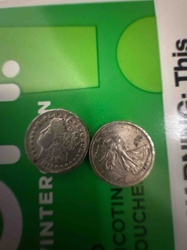
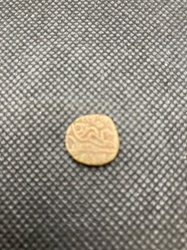
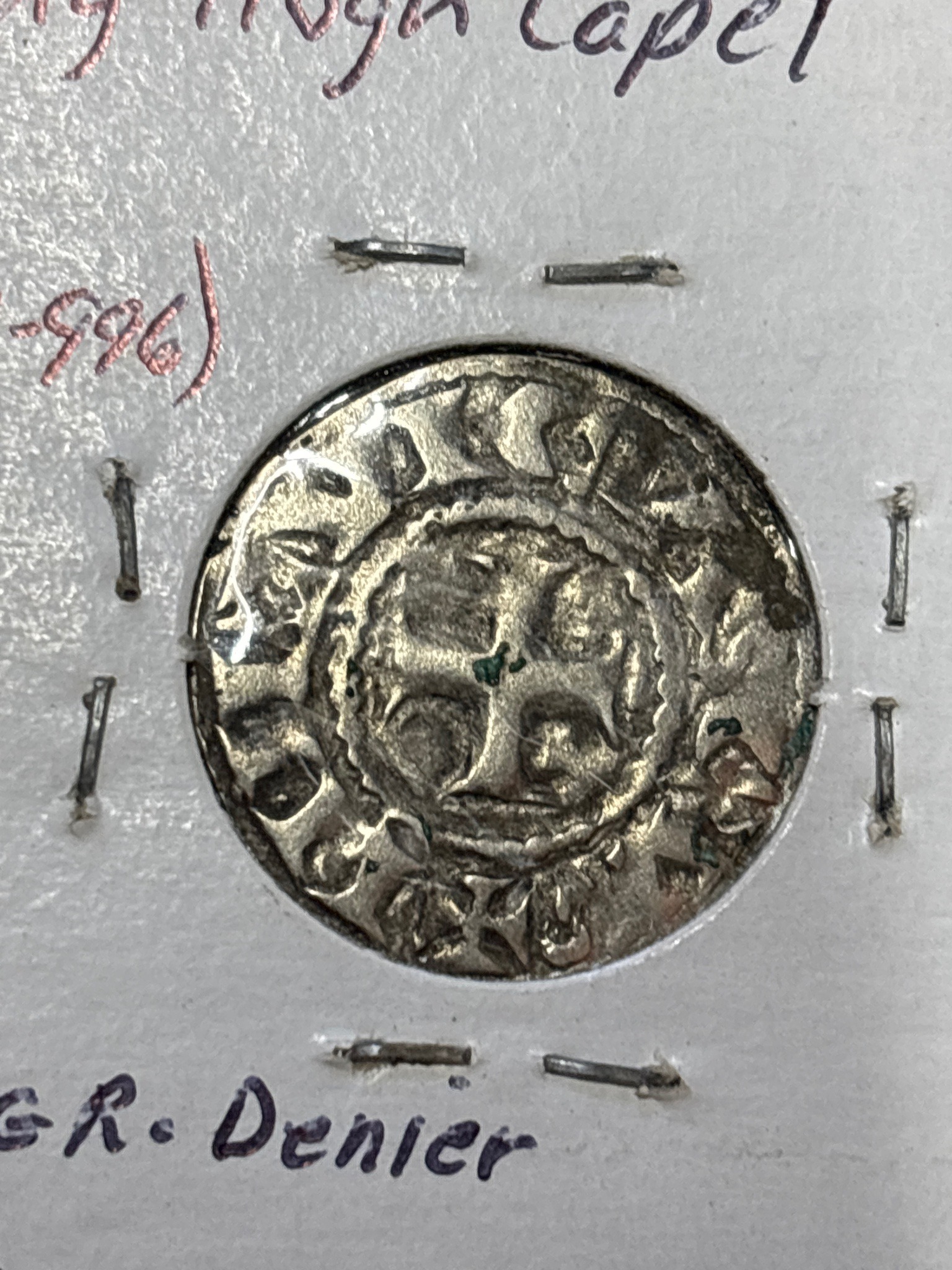
Medieval silver denier (unauthenticated)

Submitted photo of Medieval silver denier (unauthenticated)
Photo submitted by the user — not generated by AI

AI Estimated Value

Not an official valuation

$15 - $45

AI estimate as of August 18, 2026 · verify with a professional before acting

AI-Generated · Verify before acting

Everything on this page is generated by AI for informational purposes only. AI can make mistakes — the AI may misidentify items or misattribute them (artist, maker, brand, designer, origin, era). This is not an official valuation and should not be used for insurance, sale, tax, estate, legal, or lending purposes — or any decision requiring a certified appraisal. It is not an authoritative claim about any person, brand, or rights holder — do not share or rely on it as a factual statement about a third party. Always consult qualified professionals before making financial decisions.

Read the full disclaimer

AI Item Analysis

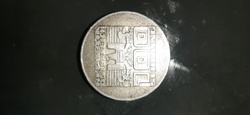
The item presented in the image appears to be a small, circular medieval silver coin, specifically housed within a standard paper coin holder secured with staples. The visible side displays a central cross design enclosed within a beaded or dotted inner circle, surrounded by heavily degraded and partially legible Latin epigraphy around the outer perimeter. The metal exhibits a silvery-gray tone with visible darker toning in the recessed areas and minor green verdigris or oxidation spots near the edge, which are common characteristics of ancient and medieval silver coinage composed of lower-purity alloy or subject to long-term environmental exposure. The strike is somewhat irregular and off-center, typical of hand-hammered medieval minting techniques. The coin is unauthenticated and sold as-is without professional grading. Handwritten notes on the surrounding paper holder suggest a historical attribution, though this user-supplied context remains unverified. The physical characteristics, including the cross motif and lettering style, are generally consistent with European deniers or similar medieval coinage from the high medieval period, roughly dating between the 12th and 14th centuries, though exact provenance and attribution require physical inspection by a numismatic expert.
AI Appraisal Report

Based on the provided image, I observe a small, hammered silver-colored coin housed in a standard paper holder, displaying a central cross motif and heavily degraded Latin epigraphy consistent with European medieval deniers from the 12th to 14th centuries. The visible silvery-gray tone, darker recessed areas, and minor green oxidation are characteristic of older, lower-purity silver alloys, though I cannot determine the exact metallurgical composition, weight, or precise attribution from a photograph alone. The irregular strike aligns with hand-hammered minting techniques of the era. The appraisal value of $15 to $45 reflects the working assumption that this is an unauthenticated medieval denier in degraded condition with partial legibility. The market for entry-level, lower-grade medieval coinage is relatively stable, with comparable unauthenticated or common feudal issues typically trading in this modest range. If physically examined by a numismatic expert and attributed to a rare ruler or specific mint, the value could increase, though the heavy wear and environmental damage will always limit its premium. Conversely, if in-person inspection reveals it to be a modern reproduction or replica, the value would be negligible, generally under $5. To properly attribute this piece, a specialist would need to conduct an in-person examination to accurately weigh the coin, assess the metal, and decipher the remaining legends under magnification.

Keep exploring

More coins appraisals

Get your items appraised

Instant AI-powered appraisal estimates from a photo

Browse More Appraisals