AI Appraisal Estimate

AI-generated estimates · not official valuations

From the user

What was submitted

Photo and notes provided by the user — not generated by AI

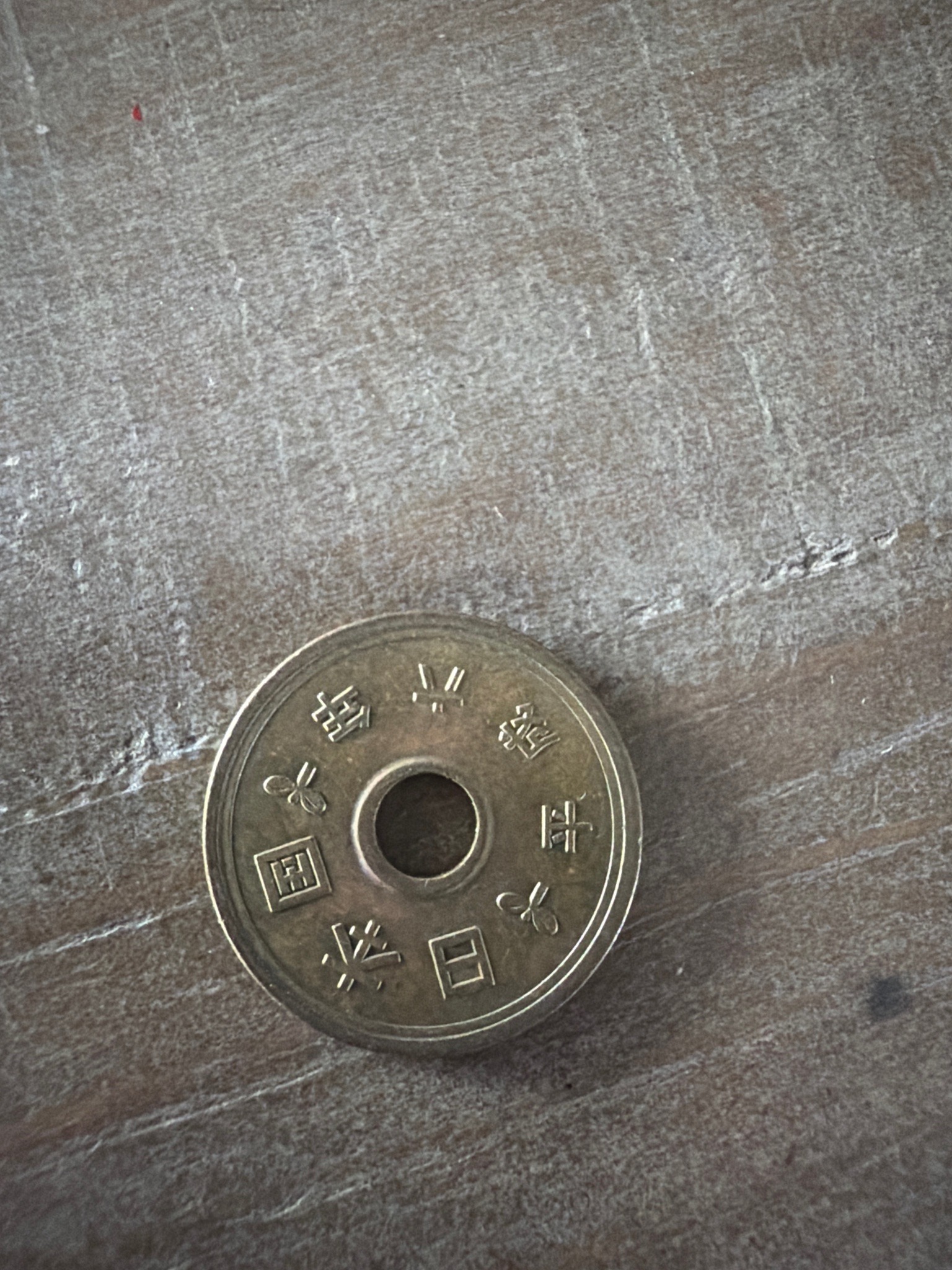
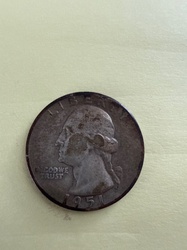
Submitted item photo
Submitted photo · July 12, 2026

User's notes

No additional notes provided.

AI analysis below

AI appraisal

AI analysis & estimate

AI-Generated · Verify before acting

Everything below is generated by AI for informational purposes only. AI can make mistakes — the AI may misidentify items or misattribute them (artist, maker, brand, designer, origin, era). This is not an official valuation and should not be used for insurance, sale, tax, estate, legal, or lending purposes — or any decision requiring a certified appraisal. It is not an authoritative claim about any person, brand, or rights holder — do not share or rely on it as a factual statement about a third party. Always consult qualified professionals before making financial decisions.

Read the full disclaimer

AI Identification

·Not independently authenticated·Verify before acting

Japanese-style 50-Yen Coin

Coins and Numismatics

AI Estimated Value

·Not an official valuation·Verify before acting

$0.35 - $1.50

As of July 12, 2026

AI Item Analysis

·AI can make mistakes·Verify before acting
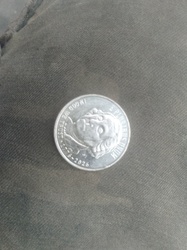
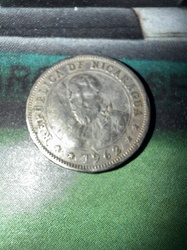
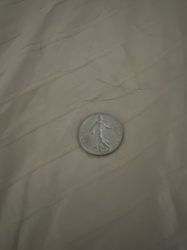
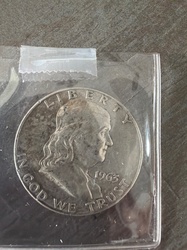
This item appears to be a 50-yen circulation coin from Japan, featuring a characteristic central hole. The coin is composed of a silver-toned metal, which is consistent with the cupro-nickel alloy typically used in Japanese coinage of this denomination. On the side shown, the coin bears the inscription '日本国' (Nihon-koku, meaning 'State of Japan') and '五十円' (Go-jū en, meaning 'Fifty Yen'). It also displays a stylized floral motif, likely representing a chrysanthemum, which is common in Japanese imperial and nationalist symbolism. The strike of the characters and the floral border appear consistent with mass-produced currency. In terms of condition, the coin shows signs of circular wear and localized oxidation or dirt, particularly around the raised lettering and the central aperture. There are minor surface scratches and a slightly dulled luster, indicating it has likely been handled in circulation. The precise date of manufacture would depend on the characters on the reverse side (not visible here), though the design is stylistically consistent with the Showa or Heisei eras. Identification as Japanese currency is based on the legible kanji and the distinctive central hole, though its metallurgical composition and status as legal tender would require physical testing for absolute validation.
AI Appraisal Report

·AI can make mistakes·Verify before acting
I have examined the image provided of the Japanese 50-yen coin. Based on what I can see, the coin features the characteristic central hole and floral motifs consistent with Japanese cupro-nickel coinage. The visible kanji for 'State of Japan' and 'Fifty Yen' suggests this is a standard circulation issue from the Showa or Heisei eras. However, I cannot verify the specific mintage year or metallurgical composition from a photograph alone; a physical inspection would be required to rule out contemporary counterfeits or to identify rare error strikes. The coin shows visible signs of circulation, including surface scratches, dirt accumulation around the characters, and a loss of original mint luster. These condition factors significantly impact numismatic value, as collectors typically seek specimens in 'Uncirculated' or 'Proof' condition. The current estimate is based on the assumption that this is a common-date circulation coin. In the general numismatic market, such coins typically trade near their face value (approximately $0.33 USD at current exchange rates), with a slight premium for their availability in the West. If this were a rare key-date year or a verified error coin, the value could increase, but most circulated examples of this type lack significant scarcity. To confirm this hypothesis and provide a more precise valuation, an in-person examination by a specialist is necessary to check the date on the reverse and weigh the coin to ensure it meets official specifications. If this were found to be a non-legal tender replica or a modern toy coin, it would hold negligible commercial value beyond its novelty.

Related Tags

Explore similar items and categories

Get your items appraised

Instant estimates of your treasures with AI-powered appraisals

Browse More Appraisals