AI Appraisal Estimate

AI-generated estimates · not official valuations

From the user

What was submitted

Photo and notes provided by the user — not generated by AI

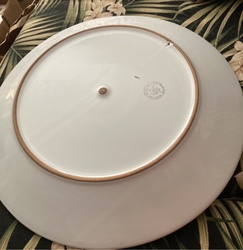
Submitted item photo
Submitted photo · June 10, 2026

User's notes

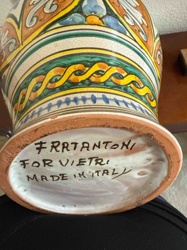
Borgo s gimigacho

AI analysis below

AI appraisal

AI analysis & estimate

AI-Generated · Verify before acting

Everything below is generated by AI for informational purposes only. AI can make mistakes — the AI may misidentify items or misattribute them (artist, maker, brand, designer, origin, era). This is not an official valuation and should not be used for insurance, sale, tax, estate, legal, or lending purposes — or any decision requiring a certified appraisal. It is not an authoritative claim about any person, brand, or rights holder — do not share or rely on it as a factual statement about a third party. Always consult qualified professionals before making financial decisions.

Note

This analysis also relies on unverified notes provided by the user, which may be incomplete or inaccurate and could affect the result.

Read the full disclaimer

AI Identification

·Not independently authenticated·Verify before acting

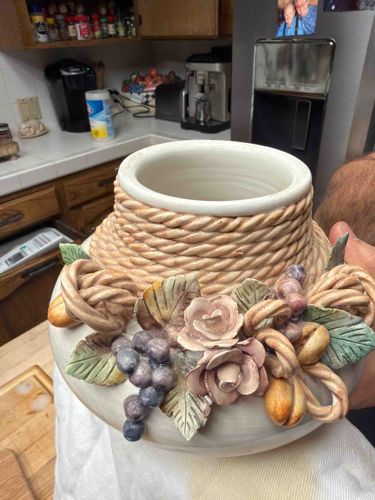
Borgo San Gimignano Italian Ceramic Fruit and Floral Cachepot

Decorative Italian Ceramics

AI Estimated Value

·Not an official valuation·Verify before acting

$40 - $80

As of June 10, 2026

AI Item Analysis

·AI can make mistakes·Verify before acting
This is a decorative ceramic vessel, likely a cachepot or wide-mouthed vase, attributed to Borgo San Gimignano, an area in Tuscany renowned for its artisanal pottery. The item is constructed from wheel-thrown or molded ceramic body with extensive hand-applied high-relief or 'trompe l'oeil' sculptural details. The neck of the vessel is distinctive, featuring a tightly wound rope-coil design in a natural buff or light terracotta tone. The body is adorned with a lush arrangement of molded fruits and flowers, including purple grapes, peaches, and delicate pale pink roses accompanied by green leaves with realistic veining. The craftsmanship exhibits a high degree of manual skill, particularly in the delicate petal work and the braided elements that frame the floral composition. The overall color palette is earthy and muted, typical of Italian rustic ceramics, using washes of sage green, dusty rose, and violet over a creamy, neutral-toned base. Historically, these pieces are 20th-century decorative arts, often mimicking 18th-century styles. The condition appears fair, though high-relief ceramic work is prone to small chips (fleabites) on the edges of the petals and leaves; a careful inspection is needed for hairline cracks in the delicate grape stems. Small surface abrasions are visible near the base. The interior shows visible throwing rings or glaze drippings, suggesting a handmade process.
AI Appraisal Report

·AI can make mistakes·Verify before acting
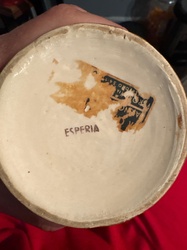
Based on my examination of the images provided, this is a decorative ceramic cachepot attributed to the artisanal workshops of Borgo San Gimignano, Italy. The piece is a classic example of mid-to-late 20th-century Tuscan export pottery, characterized by its rustic 'trompe l'oeil' high-relief application of fruit and floral motifs. The distinctive rope-coil neck design and the specific color palette—muted sage greens, dusty pinks, and violets—strongly point to authentic Italian production from this region, likely dating from the 1960s to the 1980s. Condition is the primary limiting factor for value here. As noted, these high-relief pieces are notoriously fragile. Visible surface abrasions near the base and the inherent susceptibility of the delicate rose petals and grape clusters to 'fleabites' (small chips) reduce its appeal to serious collectors. While the visual impact remains charming, these minor damages classify it as a functional decorative object rather than a pristine collector's item. The market for mid-century Italian export ceramics is currently soft, with abundant supply available on secondary markets like eBay and Etsy. While signed examples or larger, undamaged centerpieces can command higher prices, this specific form is relatively common. Limitations of this appraisal include the inability to physically inspect the interior for structural hairline cracks that might not be visible in photos. Confirming the specific maker's mark on the underside would also help narrow the production date, though it is unlikely to drastically change the valuation. This estimate reflects current fair market value for a piece in fair-to-good condition.

Get your items appraised

Instant estimates of your treasures with AI-powered appraisals

Browse More Appraisals