AI identification & appraisal estimate

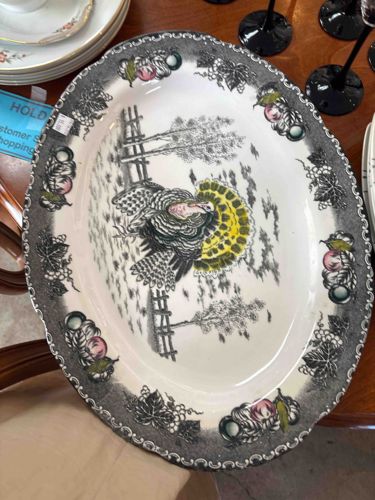
Underglazed Ironstone Turkey Platter

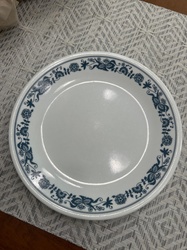
Submitted photo of Underglazed Ironstone Turkey Platter
Photo submitted by the user — not generated by AI

User's notes

Underglazed ironstone

These notes were written by the person who submitted this item. Appraiser.AI has not verified them, and the AI's identification and estimate may rely on them.

AI Estimated Value

Not an official valuation

$100 - $175

AI estimate as of September 17, 2025 · verify with a professional before acting

AI-Generated · Verify before acting

Everything on this page is generated by AI for informational purposes only. AI can make mistakes — the AI may misidentify items or misattribute them (artist, maker, brand, designer, origin, era). This is not an official valuation and should not be used for insurance, sale, tax, estate, legal, or lending purposes — or any decision requiring a certified appraisal. It is not an authoritative claim about any person, brand, or rights holder — do not share or rely on it as a factual statement about a third party. Always consult qualified professionals before making financial decisions.

This analysis also relies on unverified notes provided by the user, which may be incomplete or inaccurate and could affect the result.

Read the full disclaimer

AI Item Analysis

This is an oval-shaped serving platter crafted from underglazed ironstone, featuring a transferware design. The primary color of the platter is off-white or cream, providing a subtle contrast to the darker decorative elements. The central motif is a detailed rendering of a turkey, depicted with black, white, and gray plumage, highlighted by vibrant yellow tail feathers. The artwork also includes elements of a pastoral or rural landscape, with what appears to be a fence and leafless trees in the background, all rendered in black and gray. The rim of the platter is broadly bordered in a mottled gray color, adorned with a repeating pattern of grapevines and what appear to be fruit clusters (possibly apples or pomegranates) in shades of pink, green, and blue. A finely detailed band of interconnected C-scrolls or similar intricate trim in white runs along the very edge of the gray border, providing a delicate finish. The wavy or scalloped edge of the platter adds to its classic and decorative appeal. Given the 'underglazed ironstone' context, the design would have been applied before a final clear glaze was fired, ensuring its durability and resistance to wear. While specific maker's marks are not visible in the provided image, the style strongly suggests a mid to late 19th-century manufacturing period, typically associated with Staffordshire or other English potteries known for mass-producing decorative ironstone wares. There are no obvious signs of chips, cracks, or significant wear visible from this perspective, indicating good preservation, possibly with minor surface scratches consistent with age and use. The item retains a clear, glossy finish, indicative of quality craftsmanship during its production.
AI Appraisal Report

Upon visual examination of the provided image, this underglazed ironstone platter presents as a fine example of 19th-century English transferware, likely from the Staffordshire region. The central turkey motif combined with the fruit and grapevine border is a classic and desirable pattern, particularly for the Thanksgiving holiday market. The colors appear vibrant, and the glaze maintains a good gloss, suggesting it has been well-preserved. There are no visible chips, cracks, or significant crazing from this perspective, which positively impacts its value. The condition appears to be very good for its age, likely with only minor surface scratches consistent with occasional use. The current market for antique ironstone, while steady, has a wide range of values. Similar turkey platters from this era without a specific maker's mark typically sell in the $100 to $175 range. The value is driven by decorative appeal, condition, and seasonal demand. A platter by a highly sought-after maker like Masons or Spode would command a higher price, but without a visible mark, I must appraise it as a high-quality but unattributed piece. It is important to note the limitations of a digital appraisal. For full authentication and a more precise valuation, a physical inspection is essential. This would allow me to examine the piece for any hidden repairs, hairline cracks, or significant crazing not visible in photos. Most importantly, an in-person examination would involve checking the underside for any impressed or printed maker's marks, which could significantly increase its value. Provenance documentation could also support a higher valuation.

Keep exploring

More dinnerware appraisals

Get your items appraised

Instant AI-powered appraisal estimates from a photo

Browse More Appraisals