AI identification & appraisal estimate

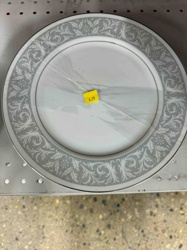
Hoya China Fine Bone China Saucer - Set of 6

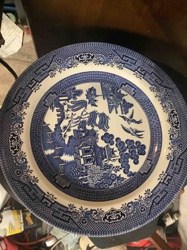
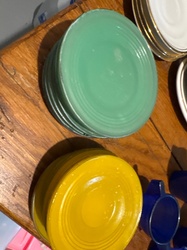
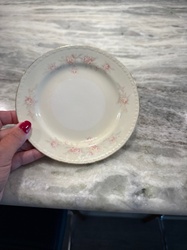
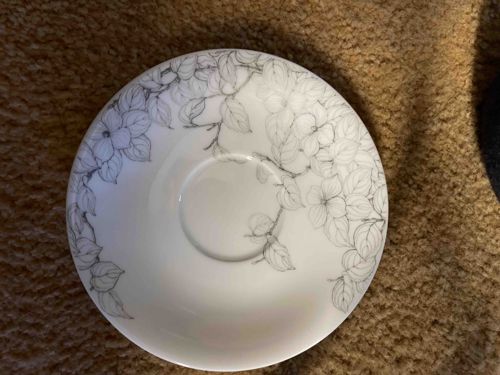
Submitted photo of Hoya China Fine Bone China Saucer - Set of 6
Photo submitted by the user — not generated by AI

User's notes

Hoya China- set of 6

These notes were written by the person who submitted this item. Appraiser.AI has not verified them, and the AI's identification and estimate may rely on them.

AI Estimated Value

Not an official valuation

$45.00 - $70.00

AI estimate as of December 17, 2025 · verify with a professional before acting

AI-Generated · Verify before acting

Everything on this page is generated by AI for informational purposes only. AI can make mistakes — the AI may misidentify items or misattribute them (artist, maker, brand, designer, origin, era). This is not an official valuation and should not be used for insurance, sale, tax, estate, legal, or lending purposes — or any decision requiring a certified appraisal. It is not an authoritative claim about any person, brand, or rights holder — do not share or rely on it as a factual statement about a third party. Always consult qualified professionals before making financial decisions.

This analysis also relies on unverified notes provided by the user, which may be incomplete or inaccurate and could affect the result.

Read the full disclaimer

AI Item Analysis

This is a set of six fine bone china saucers manufactured by Hoya China, Japan. Each saucer features a contemporary, elegant aesthetic characterized by a pristine white translucent body. The decorative motif consists of a delicate, monochromatic grey line-art illustration of dogwood blossoms and foliage that gracefully arches across approximately three-quarters of the rim. The linework is remarkably fine, indicative of high-quality transfer printing or lithography. The saucer includes a central structural indentation designed to secure a matching teacup. Physically, the pieces exhibit the characteristic lightness and strength of fine bone china with a smooth, high-gloss vitrified glaze. The edges are simple and unadorned, lacking gilded rims, which suggests a modern Mid-Century or late 20th-century design period. In terms of condition, the visible saucer appears to be in excellent used condition with no apparent chips, cracks, or heavy crazing. The grey pigment remains crisp against the white background. These pieces represent a blend of traditional Japanese ceramic craftsmanship and modern minimalist design, making them versatile for formal or daily use. While maker's marks are not visible in the top-down view, Hoya China typically marks the underside with their corporate logo and 'Made in Japan' stamp.
AI Appraisal Report

I have conducted a visual examination of this set of six Hoya China fine bone china saucers featuring the monochrome dogwood motif. The saucers exhibit the high translucency and milky-white color characteristic of quality bone china. The condition appears to be excellent; I observe no visible signs of 'flea bites,' surface scratching from utensil use, or discoloration in the lithographed grey floral transfer. The minimalist aesthetic is consistent with Hoya's production from the late 20th century, a period where the manufacturer blended Japanese technical precision with contemporary Western design trends. The current market for partial tea sets and replacement pieces is stable but modest. Hoya China is respected for its durability and material quality, though it typically commands lower price points than historical English makers like Wedgwood or Royal Doulton. Comparables for small sets of saucers without the accompanying cups generally fall within the $8 to $12 range per piece in the secondary collector market. The lack of gilding makes these more desirable for modern users preferring dishwasher-safe convenience, yet limits the 'high-luxury' premium. Critically, a definitive authentication is limited by the absence of images showing the underside makers’ marks. To provide a certified valuation, I would need to physically inspect the foot rims for shelf wear and verify the Hoya backstamp for period accuracy. Furthermore, I cannot assess for structural 'pings' or hairline fractures that are invisible to the eye but detectable through resonance testing. This appraisal assumes the items are authentic and free of internal stress fractures.

Keep exploring

More dinnerware / collectible ceramics appraisals

Get your items appraised

Instant AI-powered appraisal estimates from a photo

Browse More Appraisals