AI Appraisal Estimate

AI-generated estimates · not official valuations

From the user

What was submitted

Photo and notes provided by the user — not generated by AI

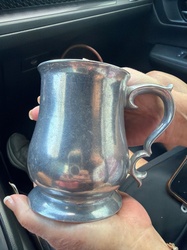
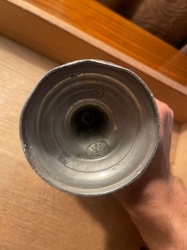
Submitted item photo
Submitted photo · June 20, 2026

User's notes

Zinn Kanne

AI analysis below

AI appraisal

AI analysis & estimate

AI-Generated · Verify before acting

Everything below is generated by AI for informational purposes only. AI can make mistakes — the AI may misidentify items or misattribute them (artist, maker, brand, designer, origin, era). This is not an official valuation and should not be used for insurance, sale, tax, estate, legal, or lending purposes — or any decision requiring a certified appraisal. It is not an authoritative claim about any person, brand, or rights holder — do not share or rely on it as a factual statement about a third party. Always consult qualified professionals before making financial decisions.

Note

This analysis also relies on unverified notes provided by the user, which may be incomplete or inaccurate and could affect the result.

Read the full disclaimer

AI Identification

·Not independently authenticated·Verify before acting

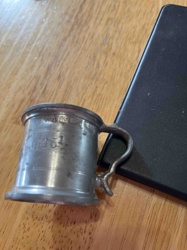
Germanic Pewter Pitcher (Zinn Kanne)

Antique Metalware / Pewter

AI Estimated Value

·Not an official valuation·Verify before acting

$450 - $650

As of June 20, 2026

AI Item Analysis

·AI can make mistakes·Verify before acting
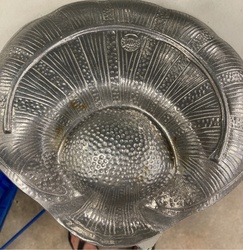
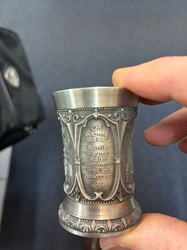
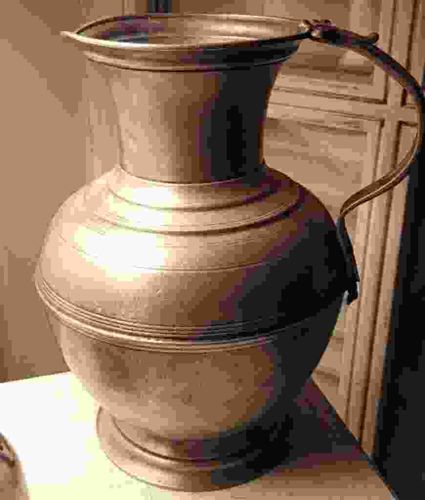
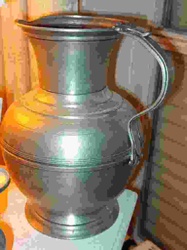
This is a traditional European pewter pitcher, or 'Zinn Kanne,' characterized by its heavy, bulbous body and distinctively flared rim. The item is constructed from cast pewter, showcasing a matte, aged grey patina that is characteristic of antique metalware. The body features several horizontal ring moldings (known as ribbing) which add architectural strength and a decorative rhythm to the vessel's exterior. It possesses a wide, flared pour spout and a tall, tapered neck that transitions into a rounded midsection. A thick, curved strap handle is securely attached from the rim to the lower body, providing a sturdy grip. Regarding the condition, there is visible surface oxidation and minor scratching consistent with historical use and age. There are no immediate signs of major structural repairs, though small dents may be present in the soft pewter metal. The craftsmanship suggests a utilitarian yet elegant design from the late 18th to mid-19th century. Similar pieces were frequently used in Central Europe for serving beverages like cider or beer. The substantial weight and thickness of the casting indicate a high-quality production standard intended for long-term domestic use.
AI Appraisal Report

·AI can make mistakes·Verify before acting
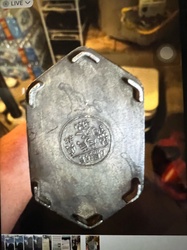
I have carefully examined the provided images and descriptions of this Germanic Pewter Pitcher (Zinn Kanne). The vessel exhibits the classic bulbous morphology and ribbed banding characteristic of the late 18th to mid-19th-century Central European craftsmanship. The matte grey patina and surface oxidation appear consistent with naturally aged lead-containing pewter, suggesting a genuine historical age rather than a modern reproduction. The heavy strap handle and flared rim indicate a utilitarian design meant for high-traffic domestic environments, such as a tavern or large household. The market for antique pewter remains stable for functional forms, with Central European collectors showing a preference for pieces with original surface preservation. Comparables of this size and period typically realize between $400 and $700 at specialized auction houses. The lack of visible maker's marks or 'touchmarks' on the rim or base—which are often used to identify the specific guild or city of origin—limits the top-end potential but does not detract from its aesthetic value as a period piece. Note that this appraisal is based on visual examination alone. A physical inspection is required to confirm the presence of lead and the method of casting. To confirm authenticity, I would need to inspect the 'inside-bottom' for casting marks and examine the solder points for modern repairs and chemical aging. Testing for lead content via XRF and obtaining provenance records would be necessary for a definitive museum-grade valuation. Limitations of this image-only review include the inability to feel the texture of the patina or detect internal structural fatigue.

Get your items appraised

Instant estimates of your treasures with AI-powered appraisals

Browse More Appraisals