AI Appraisal Estimate

AI-generated estimates · not official valuations

From the user

What was submitted

Photo and notes provided by the user — not generated by AI

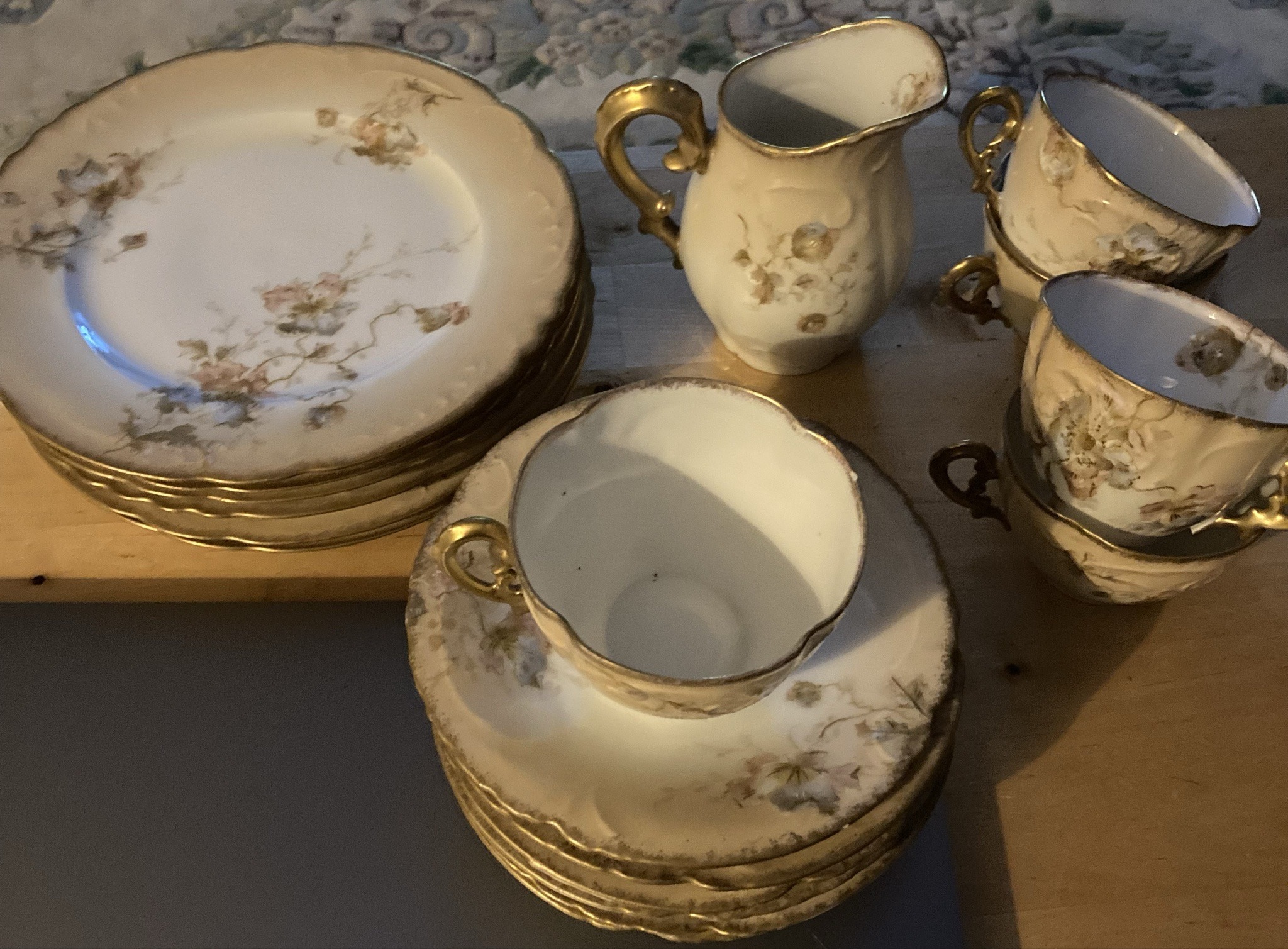
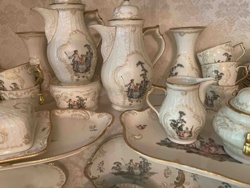
Submitted item photo
Submitted photo · June 20, 2026

User's notes

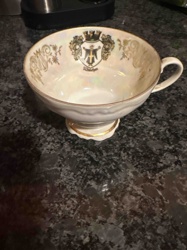
Springer & Co. EL BOGEN Austria, L215 on bottom of cups and creamer

AI analysis below

AI appraisal

AI analysis & estimate

AI-Generated · Verify before acting

Everything below is generated by AI for informational purposes only. AI can make mistakes — the AI may misidentify items or misattribute them (artist, maker, brand, designer, origin, era). This is not an official valuation and should not be used for insurance, sale, tax, estate, legal, or lending purposes — or any decision requiring a certified appraisal. It is not an authoritative claim about any person, brand, or rights holder — do not share or rely on it as a factual statement about a third party. Always consult qualified professionals before making financial decisions.

Note

This analysis also relies on unverified notes provided by the user, which may be incomplete or inaccurate and could affect the result.

Read the full disclaimer

AI Identification

·Not independently authenticated·Verify before acting

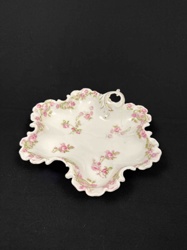
Springer & Co. Elbogen Porcelain Tea Set

Antique Porcelain and Ceramics

AI Estimated Value

·Not an official valuation·Verify before acting

$150 - $250

As of June 20, 2026

AI Item Analysis

·AI can make mistakes·Verify before acting
This is a partial porcelain tea service manufactured by Springer & Co. in Elbogen, Austria, likely dating from the late 19th to early 20th century (circa 1880-1918). The set consists of multiple plates, saucers, teacups, and a creamer jug. Each piece is crafted from fine white porcelain featuring a delicate scalloped or lobed edge. The decoration consists of transfer-ware floral sprays in muted tones of pink, tan, and grey, accented by heavy hand-applied gold gilt on the rims and ornate scroll-style handles. The creamer is bulbous with a high-arched gold handle and a pointed spout. The teacups are wide-mouthed with matching gilded handles. As noted by the identifier, the base of the pieces are marked with 'Springer & Co. EL BOGEN Austria' and the pattern number 'L215'. The condition appears generally fair to good, with visible signs of age including minor gilt loss (rubbing) on the rims and handles, characteristic of frequent handling. There appears to be a notable crack or repair on the rim of the upper right teacup. The overall aesthetic is representative of the Austro-Hungarian ceramic tradition, displaying high-quality craftsmanship through the thinness of the porcelain and the intricacy of the molding.
AI Appraisal Report

·AI can make mistakes·Verify before acting
Based on my examination of this Springer & Co. Elbogen porcelain partial tea service, I confirm it originates from the late 19th to early 20th century. The 'Elbogen' mark and 'L215' pattern number align with authentic production from the Austro-Hungarian region, specifically the renowned porcelain hub in modern-day Loket, Czech Republic. The craftsmanship is indicative of the period's high-quality transfer-ware, featuring characteristic scalloped edges and ornate gilding. My assessment identifies 'fair to good' condition; while the set retains its aesthetic appeal, the visible gilt loss on the rims and handles significantly impacts the valuation, as collectors of Austrian porcelain prioritize pristine gilding. Furthermore, the notable crack on the upper right teacup reduces the set to 'utility/display' grade rather than 'investment' grade. Currently, the market for large, partial European tea sets is saturated, with a trend toward individual replacement pieces rather than incomplete sets. Similar sales of Elbogen transfer-ware suggest a modest valuation range. High-value appraisals for this maker are typically reserved for hand-painted museum-quality pieces without damage. Please note that this appraisal is based on photographic evidence only. A full authentication would require physical inspection to verify the porcelain's translucency, check for professional restorations under UV light, and confirm the absence of hairline fractures not visible in images. Absence of original provenance documentation also necessitates a conservative estimate.

Get your items appraised

Instant estimates of your treasures with AI-powered appraisals

Browse More Appraisals