AI Appraisal Estimate

AI-generated estimates · not official valuations

From the user

What was submitted

Photo and notes provided by the user — not generated by AI

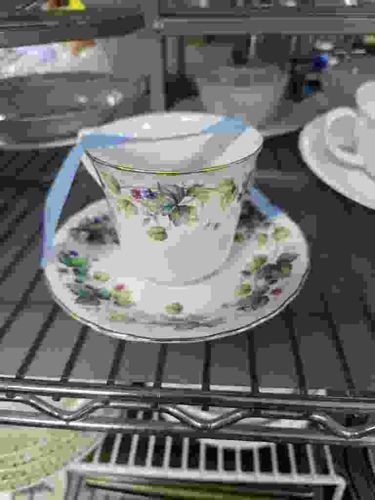
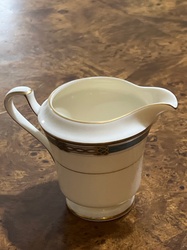
Submitted item photo
Submitted photo · June 12, 2026

User's notes

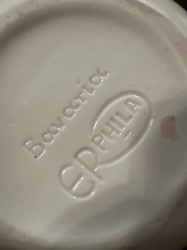
Andrea by sadek

AI analysis below

AI appraisal

AI analysis & estimate

AI-Generated · Verify before acting

Everything below is generated by AI for informational purposes only. AI can make mistakes — the AI may misidentify items or misattribute them (artist, maker, brand, designer, origin, era). This is not an official valuation and should not be used for insurance, sale, tax, estate, legal, or lending purposes — or any decision requiring a certified appraisal. It is not an authoritative claim about any person, brand, or rights holder — do not share or rely on it as a factual statement about a third party. Always consult qualified professionals before making financial decisions.

Note

This analysis also relies on unverified notes provided by the user, which may be incomplete or inaccurate and could affect the result.

Read the full disclaimer

AI Identification

·Not independently authenticated·Verify before acting

Andrea by Sadek Fine Bone China Tea Cup and Saucer Set

Antique/Vintage Decorative Porcelain and Tableware

AI Estimated Value

·Not an official valuation·Verify before acting

$25 - $45

As of June 12, 2026

AI Item Analysis

·AI can make mistakes·Verify before acting
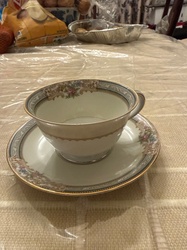
This is a vintage fine bone china tea cup and matching saucer produced by Andrea by Sadek. The set features a classic white translucent body with a tapered tea cup silhouette and a traditional flared saucer. The exterior is decorated with a vibrant botanical motif consisting of purple and blue grapes, accented by lush green foliage and delicate pink floral sprigs. The rim of both the cup and the saucer is finished with a hand-applied gold-toned gilt banding, which adds a decorative elegance common in 20th-century ceramic ware. The handle of the cup (partially obscured) appears to be a standard ear-shape, likely also accented with gilding. Although the manufacturer's mark is not visible in the photograph, the user-supplied context identifies it as Andrea by Sadek, a company known for importing high-quality Japanese porcelain since 1936. The style suggests a late 20th-century production, characterized by high-gloss glazing and crisp decal application. The overall condition appears good with no visible cracks or large chips, though a blue ribbon is currently being used to secure the pieces together, necessitating closer inspection for minor surface scratches or gilding wear once removed. The craftsmanship displays the delicate thinness and translucency associated with bone china, indicating a higher quality of household decorative arts.
AI Appraisal Report

·AI can make mistakes·Verify before acting
I have conducted a visual examination of the Andrea by Sadek fine bone china tea cup and saucer set. Based on the botanical motif and gilding, this set is a representative example of late 20th-century Japanese imports. The glaze exhibits a high-gloss finish, and the decal application for the grape-and-vine pattern is crisp, consistent with the mass-production techniques favored by the Charles Sadek Import Company. The condition appears to be 'Good to Very Good,' though the blue ribbon obscuring the handle and base prevents a definitive assessment of potential stress fractures or shelf-wear. The gold-toned trim shows no immediate signs of significant oxidation or thinning, which is a primary value driver for vintage tableware. Currently, the market for Andrea by Sadek is saturated due to high production volumes in the 1970s and 80s. While these pieces are valued for their translucency and aesthetic appeal, they lack the rarity of earlier 19th-century European porcelain. Comparables on the secondary market frequently realize prices between $25 and $45 for complete sets in excellent condition. Limitations of this appraisal include the inability to verify the manufacturer's backstamp or tactilely inspect for professional repairs or 'flea bites' along the rim. A full authentication would require removing all physical obstructions to inspect the hallmark and performing a light-transparency test to confirm the density of the bone ash. No laboratory testing is required given the nature of the piece, but provenance regarding its original purchase would assist in narrowing the production decade.

Get your items appraised

Instant estimates of your treasures with AI-powered appraisals

Browse More Appraisals