AI Appraisal Estimate

AI-generated estimates · not official valuations

From the user

What was submitted

Photo and notes provided by the user — not generated by AI

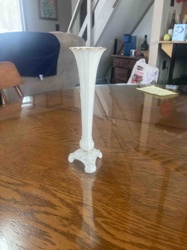
Submitted item photo
Submitted photo · June 26, 2026

User's notes

From Mexico

AI analysis below

AI appraisal

AI analysis & estimate

AI-Generated · Verify before acting

Everything below is generated by AI for informational purposes only. AI can make mistakes — the AI may misidentify items or misattribute them (artist, maker, brand, designer, origin, era). This is not an official valuation and should not be used for insurance, sale, tax, estate, legal, or lending purposes — or any decision requiring a certified appraisal. It is not an authoritative claim about any person, brand, or rights holder — do not share or rely on it as a factual statement about a third party. Always consult qualified professionals before making financial decisions.

Note

This analysis also relies on unverified notes provided by the user, which may be incomplete or inaccurate and could affect the result.

Read the full disclaimer

AI Identification

·Not independently authenticated·Verify before acting

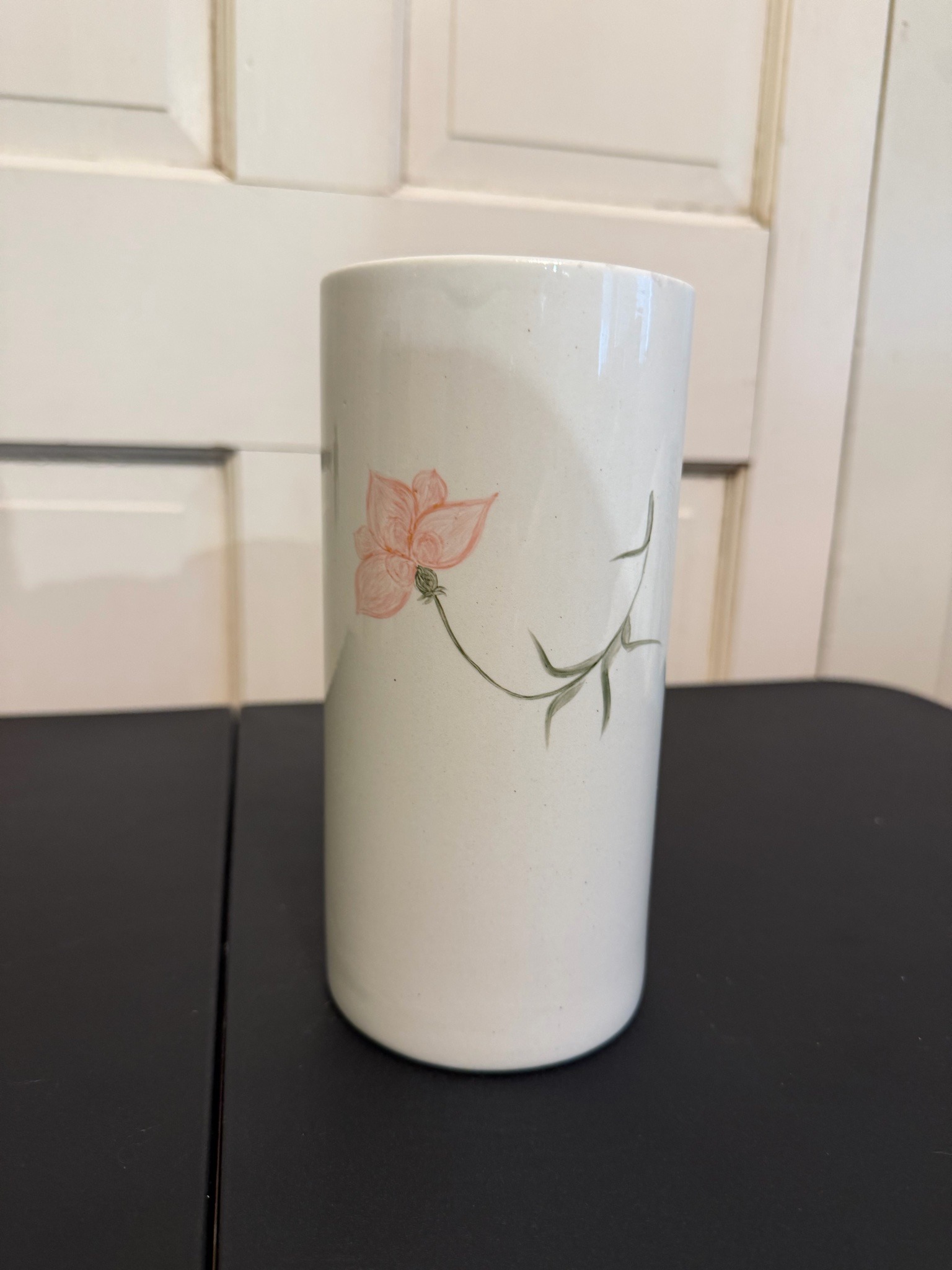
Hand-Painted Mexican Ceramic Cylinder Vase

Decorative Arts - Ceramics

AI Estimated Value

·Not an official valuation·Verify before acting

$45.00 - $75.00

As of June 26, 2026

AI Item Analysis

·AI can make mistakes·Verify before acting
This item is a cylindrical ceramic vase featuring a minimalist hand-painted floral design. The construction is characterized by a straight, uniform shape with a flat base and a slightly rounded rim. The material is a dense ceramic, likely stoneware or a refined earthenware, covered in an eggshell-white or off-white glaze with a high-gloss finish. The focal point is a single, delicately rendered peach or light pink flower supported by a thin, sage-green stem with wispy leaves. The painting style is soft, almost watercolor-like in its application, which is a common characteristic of high-quality contemporary Mexican artisan pottery from regions such as Tonalá. Structurally, the vase appears to be in excellent condition with no visible cracks, chips, or significant crazing. The glaze remains bright and lustrous, suggesting a later 20th-century or early 21st-century manufacturing date. There are no visible maker's marks on the exterior, though typically these are located on the unglazed underside. The craftsmanship is precise, indicating a skilled artisan hand rather than mass production. The simplicity of the form paired with the singular botanical motif reflects a mid-century modern influence often found in upscale Mexican export ceramics.
AI Appraisal Report

·AI can make mistakes·Verify before acting
Based on my examination of this ceramic cylinder vase, I find it to be a fine example of contemporary Mexican artisan pottery, likely originating from Jalisco or the Tonalá region. The piece exhibits high-gloss glazing and a minimalist botanical motif that bridges traditional Mexican craftsmanship with Mid-Century Modern aesthetics. The condition appears to be excellent; I noted no evidence of impact damage, hairline fractures, or glaze degradation, though subterranean crazing (common in earthenware) can only be ruled out through physical inspection. The market for unsigned Mexican studio pottery is currently stable but specialized. Comparables for similar high-gloss cylindrical vessels from recognized Mexican workshops typically reach the mid-double digits at auction or in boutique vintage markets. The value is driven by the 'hand-painted' appeal and the specific peach-on-sage color palette, which aligns with current interior design trends. However, the lack of a visible signature or 'Hecho en México' stamp on the exterior limits the valuation to a decorative rather than a designer-based assessment. Limitations: This appraisal is based solely on digital imagery. For definitive authentication, I would require an in-person inspection of the unglazed foot for artisan marks or hallmarks. Provenance documentation, such as the original purchase location in Mexico, would significantly bolster its collectible standing. Finally, testing for lead content in the glaze would be necessary if the item were intended for functional rather than purely decorative use.

Get your items appraised

Instant estimates of your treasures with AI-powered appraisals

Browse More Appraisals