AI identification & appraisal estimate

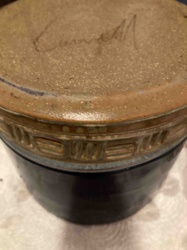
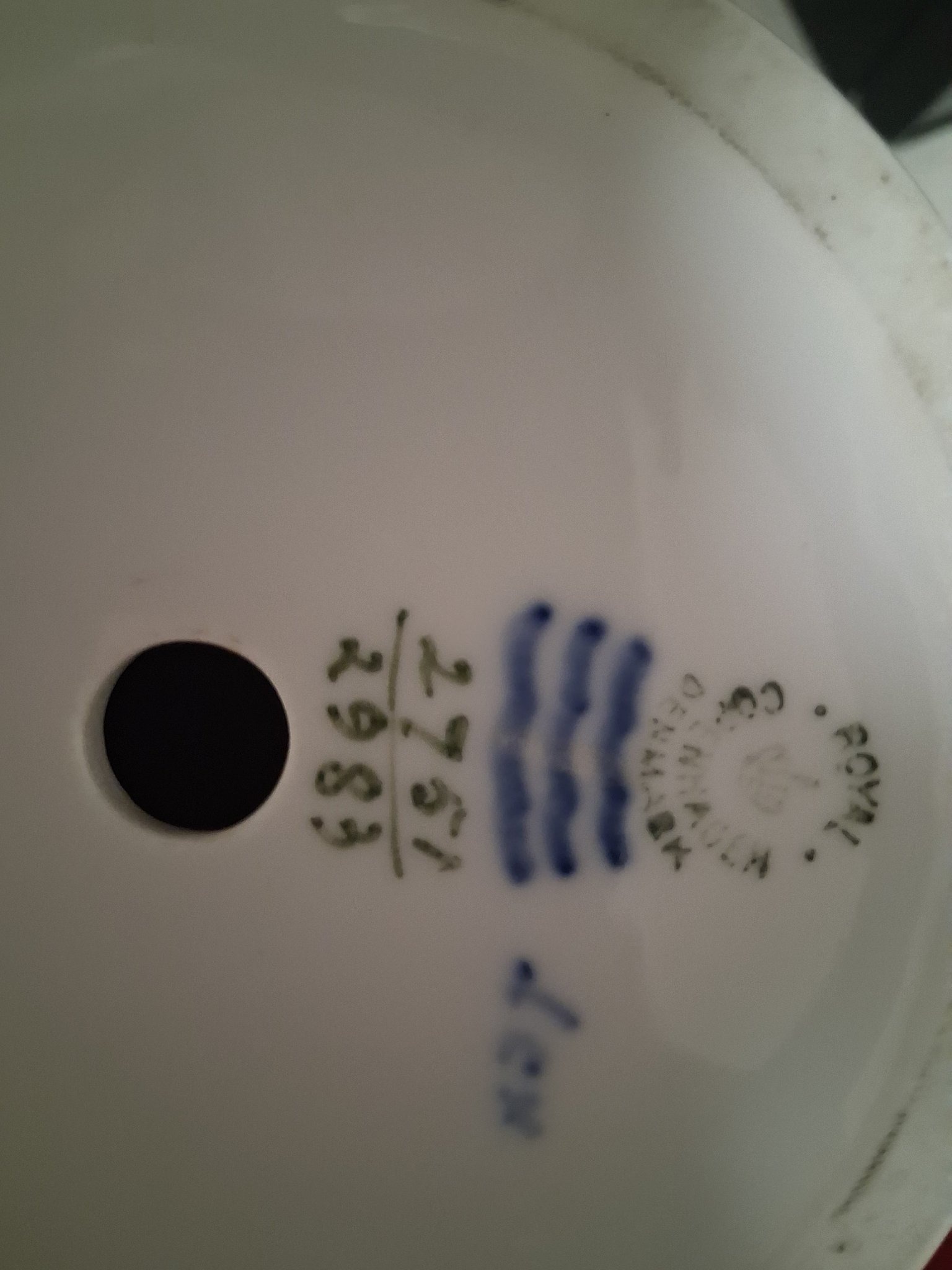
Porcelain maker's mark, appears to be Royal Copenhagen (not authenticated)

Submitted photo of Porcelain maker's mark, appears to be Royal Copenhagen (not authenticated)
Photo submitted by the user — not generated by AI

User's notes

Category: Collectible I have many pieces of pottery with this mark on it. what is it.

These notes were written by the person who submitted this item. Appraiser.AI has not verified them, and the AI's identification and estimate may rely on them.

AI Estimated Value

Not an official valuation

$60 - $120

AI estimate as of October 8, 2026 · verify with a professional before acting

AI-Generated · Verify before acting

Everything on this page is generated by AI for informational purposes only. AI can make mistakes — the AI may misidentify items or misattribute them (artist, maker, brand, designer, origin, era). This is not an official valuation and should not be used for insurance, sale, tax, estate, legal, or lending purposes — or any decision requiring a certified appraisal. It is not an authoritative claim about any person, brand, or rights holder — do not share or rely on it as a factual statement about a third party. Always consult qualified professionals before making financial decisions.

This analysis also relies on unverified notes provided by the user, which may be incomplete or inaccurate and could affect the result.

Read the full disclaimer

AI Item Analysis

The provided image displays the bottom base of a ceramic or porcelain piece, featuring several distinct underglaze blue and green stamp marks, hand-painted elements, and numbers. Most prominently, there is a hand-painted blue mark consisting of three wavy horizontal lines, which is visually consistent with traditional factory marks used by the Danish porcelain manufacturer Royal Copenhagen. To the right of the wavy lines, a circular printed green maker's mark is partially visible, featuring text reading 'ROYAL COPENHAGEN DENMARK' surrounding a crown and initials, though exact letter-by-letter reading is partially obscured. To the left of the blue waves, numbers are painted in a dark green or black pigment in a fractional format resembling '2751 / 2983', alongside an additional small blue handwritten mark reading 'dox' or similar. The white porcelain surface appears glossy and smooth, with a round aperture or drainage hole typical of certain ceramic vessels like flower pots, lamps, or specialized figurines. The overall visual presentation displays characteristics consistent with mid-20th-century or earlier European art pottery production, characterized by underglaze cobalt blue painting and professional factory stamping techniques. The owner's notes describe having many pieces with this mark, which is treated here as unverified context. The attribution in the item name rests solely on the visible visual similarities to known factory marks, but physical authenticity cannot be verified from a photograph alone. No major structural damage or cracks are visible in this specific framing, though standard age-related surface wear may be present on the unpictured portions of the items.
AI Appraisal Report

Based on what I can see in the photograph, the underside of this porcelain piece displays markings consistent with Danish manufacturer Royal Copenhagen. The base features the characteristic three underglaze blue wavy lines representing Denmark's waterways, along with an adjacent green printed crown mark and a fraction-style model or shape number ('2751 / 2983'). The aperture in the base typically suggests a vase, cachepot, or lamp fitting. However, only the underside is visible; I cannot determine the full form, decoration, or overall condition of the vessel from this single image. Per the user's submission, they possess multiple pieces bearing these marks and seek identification. Assuming this piece corresponds to a standard mid-century Royal Copenhagen decorative vessel in good condition, comparable production items typically sell in the $60 to $120 range on the secondary market. If the piece is part of an exceptionally rare series, larger in scale, or features highly sought-after artist-signed decoration, the value could be higher. Conversely, if physical inspection reveals hairline cracks, chips, or factory-second scoring marks through the blue waves, market interest and value would decrease significantly. Because I cannot verify physical characteristics from a photo alone, full confirmation would require hands-on inspection by a specialist in Scandinavian ceramics. This valuation assumes the attribution as Royal Copenhagen holds true; if the piece were an imitation, modern reproduction, or decorative replica, it would likely realize under $20 as a generic decorative object.

Keep exploring

More pottery appraisals

Get your items appraised

Instant AI-powered appraisal estimates from a photo

Browse More Appraisals