AI Appraisal Estimate

AI-generated estimates · not official valuations

From the user

What was submitted

Photo and notes provided by the user — not generated by AI

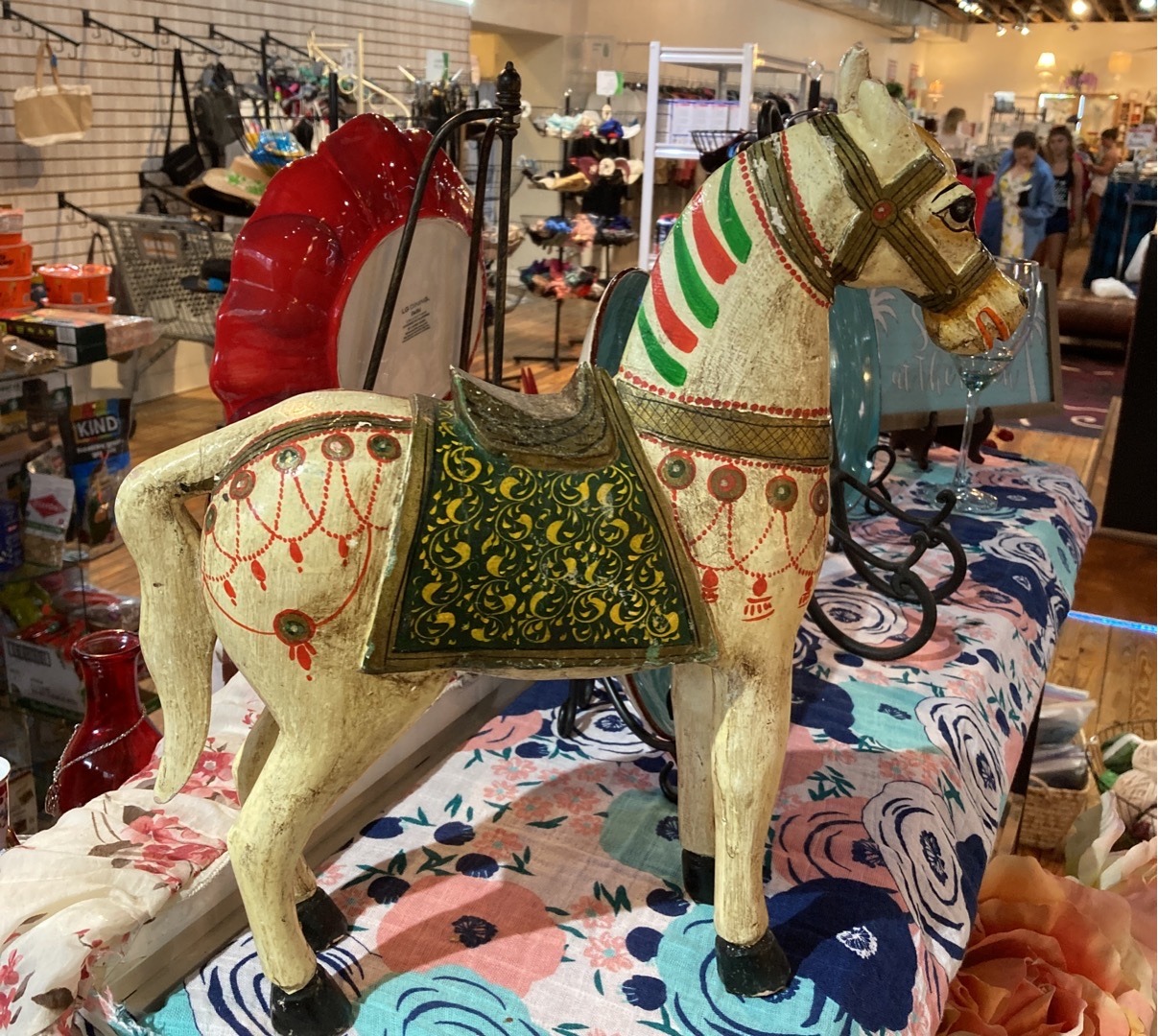
Submitted item photo
Submitted photo · June 26, 2026

User's notes

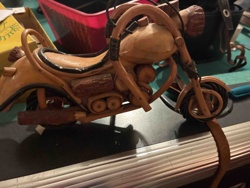
horse

AI analysis below

AI appraisal

AI analysis & estimate

AI-Generated · Verify before acting

Everything below is generated by AI for informational purposes only. AI can make mistakes — the AI may misidentify items or misattribute them (artist, maker, brand, designer, origin, era). This is not an official valuation and should not be used for insurance, sale, tax, estate, legal, or lending purposes — or any decision requiring a certified appraisal. It is not an authoritative claim about any person, brand, or rights holder — do not share or rely on it as a factual statement about a third party. Always consult qualified professionals before making financial decisions.

Note

This analysis also relies on unverified notes provided by the user, which may be incomplete or inaccurate and could affect the result.

Read the full disclaimer

AI Identification

·Not independently authenticated·Verify before acting

Hand-Painted Vintage Indian Wood Horse Figurine

Decorative Arts/Folk Art

AI Estimated Value

·Not an official valuation·Verify before acting

$65 - $110

As of June 26, 2026

AI Item Analysis

·AI can make mistakes·Verify before acting
This is a medium-sized decorative figurine of a horse, likely crafted in India. It is constructed from solid wood with a gesso or plaster-based primer layer and finished with hand-painted polychrome decoration. The base color is an antiqued off-white, featuring an ornate painted saddle in green with yellow scrolling floral patterns. The horse is further adorned with festive red and green dashed patterns along its neck to simulate a mane, and decorative red tassels or swags painted onto its hindquarters. The head is detailed with a brown painted bridle and large, expressive eyes typical of Rajasthani folk art styles. The hooves are painted solid black. Notably, the surface shows significant intentional distressing and crazing to create an aged appearance, though genuine wear is visible along the edges of the ears, tail, and hooves where the wood substrate is exposed. The craftsmanship reflects a folk-art aesthetic rather than high-fine realism. While it mimics antique artifacts, the construction and paint style suggest it is a late 20th-century decorative export piece. The condition is generally good, with the patina and surface cracking appearing to be a mix of design choice and mild shelf wear.
AI Appraisal Report

·AI can make mistakes·Verify before acting
Based on my visual examination, this figurine represents a classic example of twentieth-century Rajasthani-style export folk art. While the aesthetic mimics antique temple toys or festival horses, the specific application of the polychrome pigments and the uniform nature of the gesso crazing indicate this is a decorative piece rather than a nineteenth-century artifact. The condition is consistent with 'shabby chic' decor; the exposure of the wood substrate on the ears and hooves appears to be a combination of intentional distressing and minor shelf wear, which is typical for this category and does not significantly detract from its marketability. The market for such items is currently stable but dominated by high-volume production, making this a decorative object rather than a high-value collectible. Comparable sales for medium-sized Indian wooden animals in this style generally fall within the $60 to $125 range depending on the retailer. Rarity is low, as these were produced in significant quantities for the global export market. The primary value drivers here are the hand-painted details and the charming folk-art expression. Limitations of this appraisal include the inability to verify wood density or the chemical composition of the pigments. A hands-on inspection would be required to rule out modern synthetic binders in the paint or machine-tool marks hidden beneath the primer. To fully authenticate as a period piece (which is unlikely in this case), provenance documentation or carbon dating of the wood would be necessary, though the cost of such testing would exceed the item's fair market value.

Get your items appraised

Instant estimates of your treasures with AI-powered appraisals

Browse More Appraisals