AI Appraisal Estimate

AI-generated estimates · not official valuations

From the user

What was submitted

Photo and notes provided by the user — not generated by AI

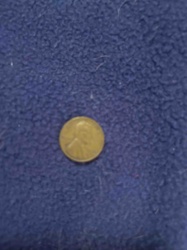
Submitted item photo
Submitted photo · June 8, 2026

User's notes

No additional notes provided.

AI analysis below

AI appraisal

AI analysis & estimate

AI-Generated · Verify before acting

Everything below is generated by AI for informational purposes only. AI can make mistakes — the AI may misidentify items or misattribute them (artist, maker, brand, designer, origin, era). This is not an official valuation and should not be used for insurance, sale, tax, estate, legal, or lending purposes — or any decision requiring a certified appraisal. It is not an authoritative claim about any person, brand, or rights holder — do not share or rely on it as a factual statement about a third party. Always consult qualified professionals before making financial decisions.

Read the full disclaimer

AI Identification

·Not independently authenticated·Verify before acting

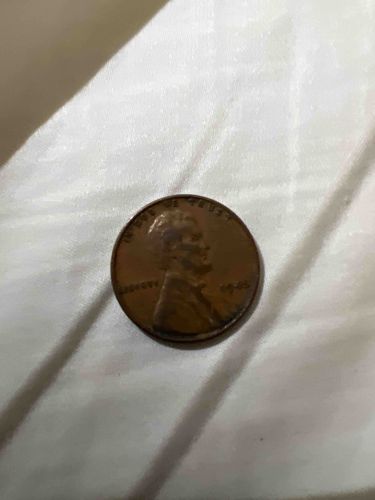
1945 Lincoln Cent (Penny)

Coinage / Numismatic Item

AI Estimated Value

·Not an official valuation·Verify before acting

$0.05 - $0.25

As of June 8, 2026

AI Item Analysis

·AI can make mistakes·Verify before acting
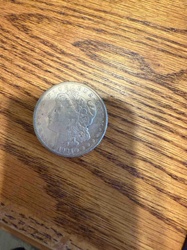
The item is a United States one-cent coin, commonly known as a penny, specifically a Lincoln Cent. From the visible date on the obverse, it appears to be a 1945 issue. The coin is circular in shape and exhibits a typical copper-brown coloration, consistent with its composition which, for cents minted between 1944 and 1946, was brass (95% copper, 5% zinc). The obverse features the right-facing profile of Abraham Lincoln, designed by Victor David Brenner. Above his head, the motto "IN GOD WE TRUST" is partially visible. To his left, the word "LIBERTY" is discernible, though somewhat obscured by wear. The date "1945" is clearly visible to Lincoln's right. The coin appears to be in circulated condition, showing moderate wear on the high points of Lincoln's portrait and the surrounding legends. There is a general toning and darkening of the copper surface, a natural patina that develops over time, and some light surface scratches or abrasions can be observed, indicative of its age and use. No specific mint mark is clearly visible in the provided image, which would typically be located below the date. The edges appear smooth, as expected for a standard Lincoln Cent. The craftsmanship is typical of U.S. Mint productions from the mid-20th century.
AI Appraisal Report

·AI can make mistakes·Verify before acting
I've examined the provided image of this 1945 Lincoln Cent. Authenticity appears straightforward from the visual details; it presents as a genuine U.S. coin. The coin is in circulated condition, exhibiting moderate wear on Lincoln's portrait and the legends, such as 'LIBERTY' being somewhat obscured. There's a natural copper-brown toning and some light surface abrasions consistent with its age and use. The absence of a visible mint mark suggests it was minted in Philadelphia. For cents from 1944-1946, the composition was brass (95% copper, 5% zinc) to save copper for wartime efforts, a detail consistent with its appearance. From a market perspective, the 1945 Lincoln Cent is exceptionally common. Millions were minted, and while it's older, it's not considered rare, especially in circulated condition. Comparables for common date Lincoln Cents in this condition typically range from a few cents to twenty-five cents. There's no significant demand for a circulated example of this particular date, as collectors generally seek higher-grade specimens or key dates. Factors significantly impacting value would be a much higher grade (Mint State), the presence of a rare mint error, or a scarce mint mark (though none are present or expected here). Limitations: While the coin appears authentic, a full in-person examination would be necessary to definitively rule out subtle alterations, precisely grade its condition, investigate for very faint or tooling-related errors, and confirm no specific mint mark is subtly hidden. Authentication of a coin of such low intrinsic value rarely warrants scientific testing or extensive provenance documentation, as the costs would far exceed the coin's value. Based on the image, its value is primarily as a historical artifact rather than a rare numismatic piece.

Get your items appraised

Instant estimates of your treasures with AI-powered appraisals

Browse More Appraisals