AI identification & appraisal estimate

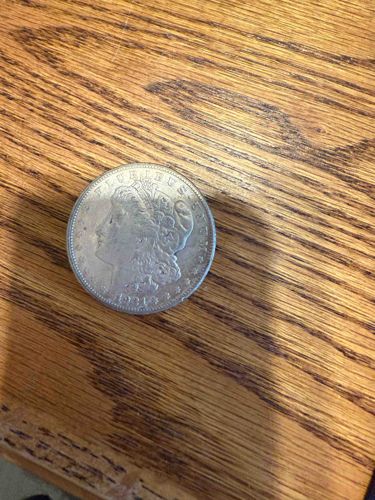
Morgan Silver Dollar (1921)

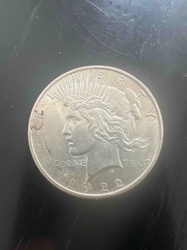
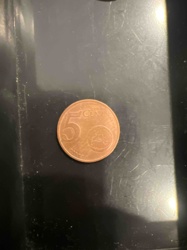
Submitted photo of Morgan Silver Dollar (1921)
Photo submitted by the user — not generated by AI

AI Estimated Value

Not an official valuation

$28-35

AI estimate as of August 7, 2025 · verify with a professional before acting

AI-Generated · Verify before acting

Everything on this page is generated by AI for informational purposes only. AI can make mistakes — the AI may misidentify items or misattribute them (artist, maker, brand, designer, origin, era). This is not an official valuation and should not be used for insurance, sale, tax, estate, legal, or lending purposes — or any decision requiring a certified appraisal. It is not an authoritative claim about any person, brand, or rights holder — do not share or rely on it as a factual statement about a third party. Always consult qualified professionals before making financial decisions.

Read the full disclaimer

AI Item Analysis

The item is a silver coin, specifically identified as a Morgan Dollar based on the visible obverse design. The coin appears to be circular, made of a metallic material with a silver-gray luster, indicating its likely silver composition. The obverse features the left-facing profile of Lady Liberty, adorned with a cap inscribed with 'LIBERTY', a wreath of cotton and wheat, and a crown bearing stars. The inscription 'E PLURIBUS UNUM' is visible above Liberty's head, and thirteen stars encircle the lower half of the design within the rim. The minting year '1921' is clearly visible below Liberty's bust, indicating it is one of the later issues of the Morgan Dollar series. The coin exhibits a circulated condition, evidenced by the general softening of details, particularly around the higher relief areas of Liberty's hair and facial features, though the 'LIBERTY' inscription on her cap remains quite legible. There are no immediate signs of severe damage such as deep scratches or significant gouges, but minor surface wear is present across the fields, consistent with typical handling and circulation over time. The rim appears mostly intact, and the denticles surrounding the edge are still discernible, though some show slight flattening. The overall strike quality appears average for the type, with reasonable detail preserved on the major design elements. No specific mint mark is discernible from the provided image, which would typically be located above the '1921' date; its absence might suggest it was minted in Philadelphia, or it's simply not visible. The patina is even, suggesting no harsh cleaning, which is a positive indicator for value. This coin belongs to the Art Nouveau period, given its design style and minting date.
AI Appraisal Report

Upon examining the provided image of the 1921 Morgan Silver Dollar, I can confirm its authenticity based on the visible design details consistent with known genuine examples of this coinage. The coin exhibits a circulated condition, likely in the Fine (F) to Very Fine (VF) range. Details on Lady Liberty's hair and the eagle's feathers show noticeable wear, yet the primary elements like 'LIBERTY' on her cap and the date '1921' are clear. The absence of a discernible mint mark, combined with the date, strongly suggests this coin was minted in Philadelphia. Surface wear is evident across the fields, though no severe damage such as deep scratches or gouges is apparent, and the patina appears natural and even, which is favorable for its value. The Art Nouveau design characteristic of this period is clear. The market for 1921 Morgan Dollars is robust but also highly saturated, as this was a high-mintage year. Comparables in similar circulated grades typically fetch prices driven by their silver content plus a modest numismatic premium. Demand for common-date Morgan Dollars remains consistent among collectors, especially those building date sets. Rarity is not a significant factor for the 1921 Philadelphia issue due to its high mintage. Factors impacting value positively include the lack of harsh cleaning and the relatively intact rim and denticles. Negatively, its common date and circulated condition limit its higher-end valuation. It is crucial to note that authenticity verification from images alone has limitations. While the design appears correct, an in-person examination would be necessary to assess the coin's weight, diameter, and thickness against specifications, listen for an authentic 'ring,' and conduct metallurgical testing if any doubts arose. Furthermore, examining the strike quality, luster, and any subtle surface characteristics under magnification would provide a more precise grading and authentication. Provenance documentation, if available, would also add to its verifiable history.

Keep exploring

More coinage / numismatic item appraisals

Get your items appraised

Instant AI-powered appraisal estimates from a photo

Browse More Appraisals