AI estimate as of October 15, 2025 · verify with a professional before acting
AI-Generated · Verify before acting
Everything on this page is generated by AI for informational purposes only. AI can make mistakes — the AI may misidentify items or misattribute them (artist, maker, brand, designer, origin, era). This is not an official valuation and should not be used for insurance, sale, tax, estate, legal, or lending purposes — or any decision requiring a certified appraisal. It is not an authoritative claim about any person, brand, or rights holder — do not share or rely on it as a factual statement about a third party. Always consult qualified professionals before making financial decisions.
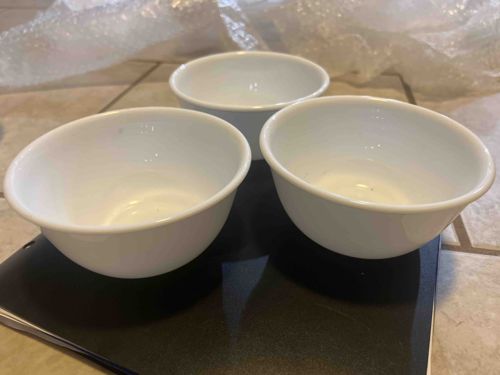
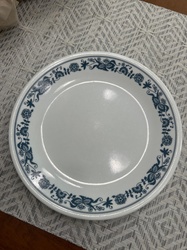
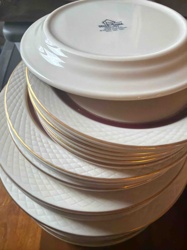
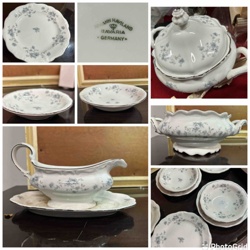
This set consists of three identical white ceramic bowls, likely designed for foodstuffs such as soup, cereal, or dipping sauces. Each bowl features a clean, minimalist design with a smooth, glossy white finish both internally and externally. The form factor is a classic Cereal Bowl shape, characterized by a rounded bottom that gradually widens towards a slightly flared rim. The walls of the bowls appear to be of medium thickness, indicating a reasonable level of durability without being overly bulky. There are no visible patterns, decals, or decorative elements, emphasizing their utilitarian and versatile nature. The interior surfaces show a high-gloss glaze, exhibiting some reflections, which suggests a non-porous and easy-to-clean surface. Exterior surfaces also share this glossy finish. While specific dimensions are not provided, their apparent size suggests they are standard individual serving bowls. There are no obvious visible condition issues such as chips, cracks, crazing, or significant scratches from the provided images; the surfaces appear generally clean and well-maintained. No maker's marks, signatures, or stamps are discernible in these views, making it difficult to ascertain the exact manufacturer or precise age. However, the style is timeless and could range from mid-20th century to contemporary production, fitting well into various kitchen and dining aesthetics. The construction appears to be machine-made, consistent with mass-produced tableware. The simplicity and uniformity across the three bowls suggest they are part of a larger dinnerware set or a coordinated collection.
AI Appraisal Report
Based on my visual examination of the provided images, this set of three identical white ceramic bowls presents as a modern, utilitarian dinnerware item. The condition appears excellent, with no visible chips, cracks, crazing, or significant scratches, suggesting careful handling or recent production. The smooth, glossy finish, both interior and exterior, indicates a non-porous surface, characteristic of mass-produced, machine-made ceramics designed for everyday use. The classic cereal bowl shape is timeless and offers broad appeal.
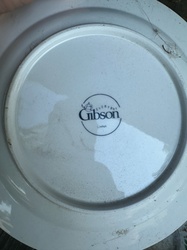
Authenticity verification from images alone is limited. While the style is consistent with contemporary tableware, without maker's marks, stamps, or origin documentation, it's impossible to attribute these bowls to a specific manufacturer or determine their precise age. The lack of distinguishing features means they could be from virtually any major dinnerware producer.
Market conditions for generic white ceramic bowls are robust due to high demand for versatile kitchen items, but also highly competitive. Many similar sets are readily available from numerous retailers. Rarity is not a factor here; these are common, mass-produced items. Factors significantly impacting value are their pristine condition and broad utility. However, the absence of brand recognition, artistic merit, or historical significance means their value is primarily functional.
For full authentication and a more precise valuation, I would require a physical inspection to check for subtle maker's marks, material quality, and weight, which can sometimes distinguish higher-end contemporary pieces from budget options. Provenance documentation, if available, would also be beneficial to confirm age and origin. Given their common nature and lack of unique attributes, the appraised value reflects their utility and readily available comparable new and second-hand items.