AI identification & appraisal estimate

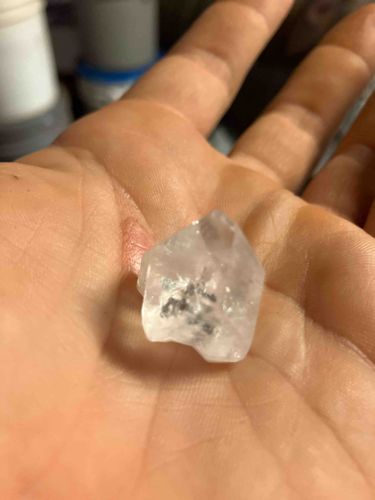
Clear Mineral Fragment with Inclusions

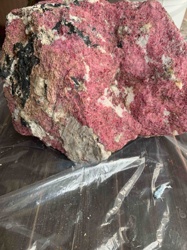
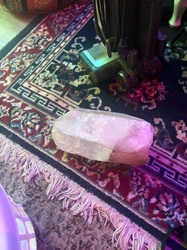
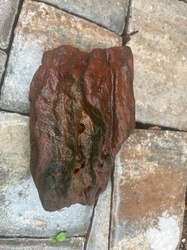
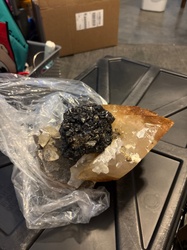
Submitted photo of Clear Mineral Fragment with Inclusions
Photo submitted by the user — not generated by AI

AI Estimated Value

Not an official valuation

$10 - $50

AI estimate as of June 10, 2025 · verify with a professional before acting

AI-Generated · Verify before acting

Everything on this page is generated by AI for informational purposes only. AI can make mistakes — the AI may misidentify items or misattribute them (artist, maker, brand, designer, origin, era). This is not an official valuation and should not be used for insurance, sale, tax, estate, legal, or lending purposes — or any decision requiring a certified appraisal. It is not an authoritative claim about any person, brand, or rights holder — do not share or rely on it as a factual statement about a third party. Always consult qualified professionals before making financial decisions.

Read the full disclaimer

AI Item Analysis

The item is a small, irregularly shaped mineral specimen, likely a crystal or fragment of a larger mineral. It is held in the palm of a hand, providing a sense of scale. The specimen is predominantly clear to translucent, with a milky or slightly cloudy appearance in some areas. Inclusions of a dark, possibly metallic or carbonaceous material are visible within the matrix, concentrated in one area creating a striking contrast against the light-colored host mineral. The surfaces appear to be unpolished and natural, exhibiting rough fracture planes and some conchoidal features. There are no discernable manufacturing details, maker's marks, or stamps. The item exhibits natural wear and minor abrasions consistent with being a mineral specimen. Its age is geological and cannot be determined from the image alone. The quality is typical for an unworked mineral fragment, highlighting natural crystallization and inclusions. The unique aspect is the pattern and concentration of the dark inclusions within the otherwise clear material.

AI Appraisal Report

Based on my visual examination of the provided image, this is a clear to translucent mineral fragment exhibiting dark inclusions. The condition appears natural and unpolished, with rough fracture surfaces typical of a free-standing mineral specimen. Authenticity as a natural mineral fragment appears highly probable based on the crystalline structure and inclusions visible, consistent with many common and less common minerals. However, definitive identification of the specific mineral and the nature of the inclusions is impossible from the image alone. Without physical testing (such as hardness, specific gravity, and spectroscopic analysis) and possibly microscopic examination, I cannot authenticate the exact mineral type or rule out synthetic origins (though less likely for this form). Market conditions for unworked mineral specimens vary widely based on species, clarity, size, quality of inclusions, and rarity. Comparables would range from common quartz or calcite specimens with inclusions to potentially more valuable minerals like tourmaline or beryl, assuming specific identification. The unique pattern of the dark inclusions is an aesthetic factor that could contribute to desirability among collectors, potentially increasing demand slightly. Rarity depends entirely on the specific mineral type and the typical occurrence of such inclusions within that species. Factors significantly impacting value are the precise mineral identification, the exact composition and aesthetic appeal of the inclusions, the size of the specimen (estimated to be small based on scale), and any potential for treatment or enhancement (though not evident in the image). For full authentication and a more precise valuation, in-person examination, scientific testing to identify the mineral and inclusions, and potential provenance documentation would be essential.

Keep exploring

More mineral specimen appraisals

Get your items appraised

Instant AI-powered appraisal estimates from a photo

Browse More Appraisals