AI Appraisal Estimate

AI-generated estimates · not official valuations

From the user

What was submitted

Photo and notes provided by the user — not generated by AI

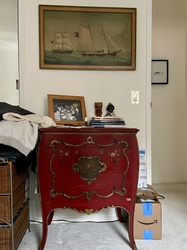
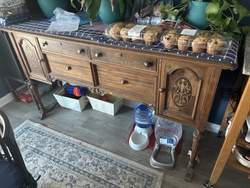
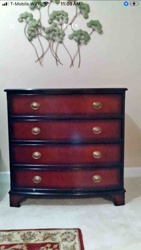
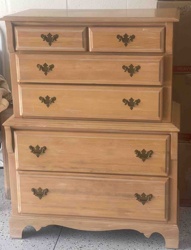
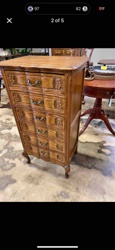
Submitted item photo
Submitted photo · June 12, 2026

User's notes

No additional notes provided.

AI analysis below

AI appraisal

AI analysis & estimate

AI-Generated · Verify before acting

Everything below is generated by AI for informational purposes only. AI can make mistakes — the AI may misidentify items or misattribute them (artist, maker, brand, designer, origin, era). This is not an official valuation and should not be used for insurance, sale, tax, estate, legal, or lending purposes — or any decision requiring a certified appraisal. It is not an authoritative claim about any person, brand, or rights holder — do not share or rely on it as a factual statement about a third party. Always consult qualified professionals before making financial decisions.

Read the full disclaimer

AI Identification

·Not independently authenticated·Verify before acting

Vintage Carved Wood Dressing Table with Mirror

Furniture - Antique/Vintage Case Goods

AI Estimated Value

·Not an official valuation·Verify before acting

$450 - $650

As of June 12, 2026

AI Item Analysis

·AI can make mistakes·Verify before acting
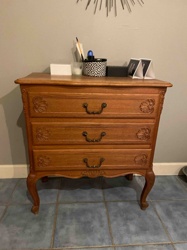
This item is a vintage-style wooden dressing table, or vanity, featuring an integrated arched landscape mirror. The piece is constructed from what appears to be a dark-stained hardwood, possibly mahogany or walnut, characterized by intricate relief carvings along the drawer fronts and legs. The base consists of a multi-drawer configuration—specifically two small side drawers flanking a central shallower drawer—supported by ornate, cabriole-style legs with ball-and-claw feet or similar decorative scrollwork. The mirror frame is topped with a decorative arch and currently holds artificial floral and vine embellishments which are not original to the piece. Physically, the vanity shows a darker finish on the frame with lighter wood grain visible on the drawer panels, suggesting a two-tone aesthetic or perhaps aged varnish. The surface displays significant clutter, including various personal care products, plush toys, and a clock, which obscures the primary tabletop condition; however, visible edges show minor scuffing and finish wear consistent with mid-20th-century mass-manufactured furniture inspired by Chippendale or Queen Anne styles. There are no clearly visible maker’s marks in the current view, but the overall craftsmanship indicates a mid-range production quality from the 1940s to 1960s. The hardware appears to be original brass-tone bail pulls or knobs.

AI Appraisal Report

·AI can make mistakes·Verify before acting
I have conducted a visual inspection of this vintage dressing table, an example of mid-20th-century revivalist furniture. The piece demonstrates characteristics of both Queen Anne and Chippendale styles, notably the cabriole legs and the arched mirror silhouette. Based on the grain pattern and finish, the construction appears to be a mix of solid hardwood and veneers, likely mahogany or a stained substitute, consistent with production quality from the 1940s through the late 1950s. The condition shows significant surface wear, particularly around the drawer edges and the feet, which is typical for a utilitarian piece of this age. The presence of non-original floral decor suggests possible adhesive residue or scratching beneath the embellishments. The market for mid-century 'traditional' revival furniture is currently stable but softer than the demand for 'Mid-Century Modern' (MCM) aesthetics. Comparables for pieces lacking a designer label or notable provenance typically fall within the $400 to $700 range at regional auctions. Rarity is low, as these suites were mass-produced for the suburban middle class. The primary value drivers for this specific item are its functionality and the decorative appeal of the relief carvings. Critically, this appraisal is based on photographic evidence. I cannot definitively verify the wood species, joinery techniques (such as dovetailing quality), or the presence of an maker's mark without a physical inspection. A full authentication would require examining the underside of the drawers and the backboard for stamps, as well as checking the silvering of the mirror for authentic age-related oxidation. Provenance documentation or a sales receipt from the original point of purchase would further solidify its historical context and valuation.

Get your items appraised

Instant estimates of your treasures with AI-powered appraisals

Browse More Appraisals