AI Appraisal Estimate

AI-generated estimates · not official valuations

From the user

What was submitted

Photo and notes provided by the user — not generated by AI

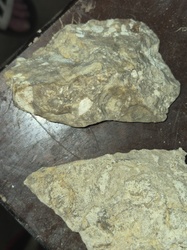
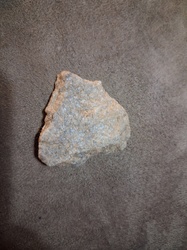
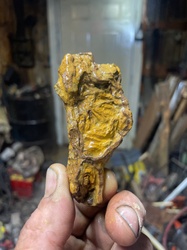
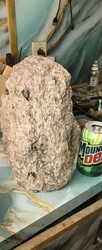
Submitted item photo
Submitted photo · June 1, 2026

User's notes

No additional notes provided.

AI analysis below

AI appraisal

AI analysis & estimate

AI-Generated · Verify before acting

Everything below is generated by AI for informational purposes only. AI can make mistakes — the AI may misidentify items or misattribute them (artist, maker, brand, designer, origin, era). This is not an official valuation and should not be used for insurance, sale, tax, estate, legal, or lending purposes — or any decision requiring a certified appraisal. It is not an authoritative claim about any person, brand, or rights holder — do not share or rely on it as a factual statement about a third party. Always consult qualified professionals before making financial decisions.

Read the full disclaimer

AI Identification

·Not independently authenticated·Verify before acting

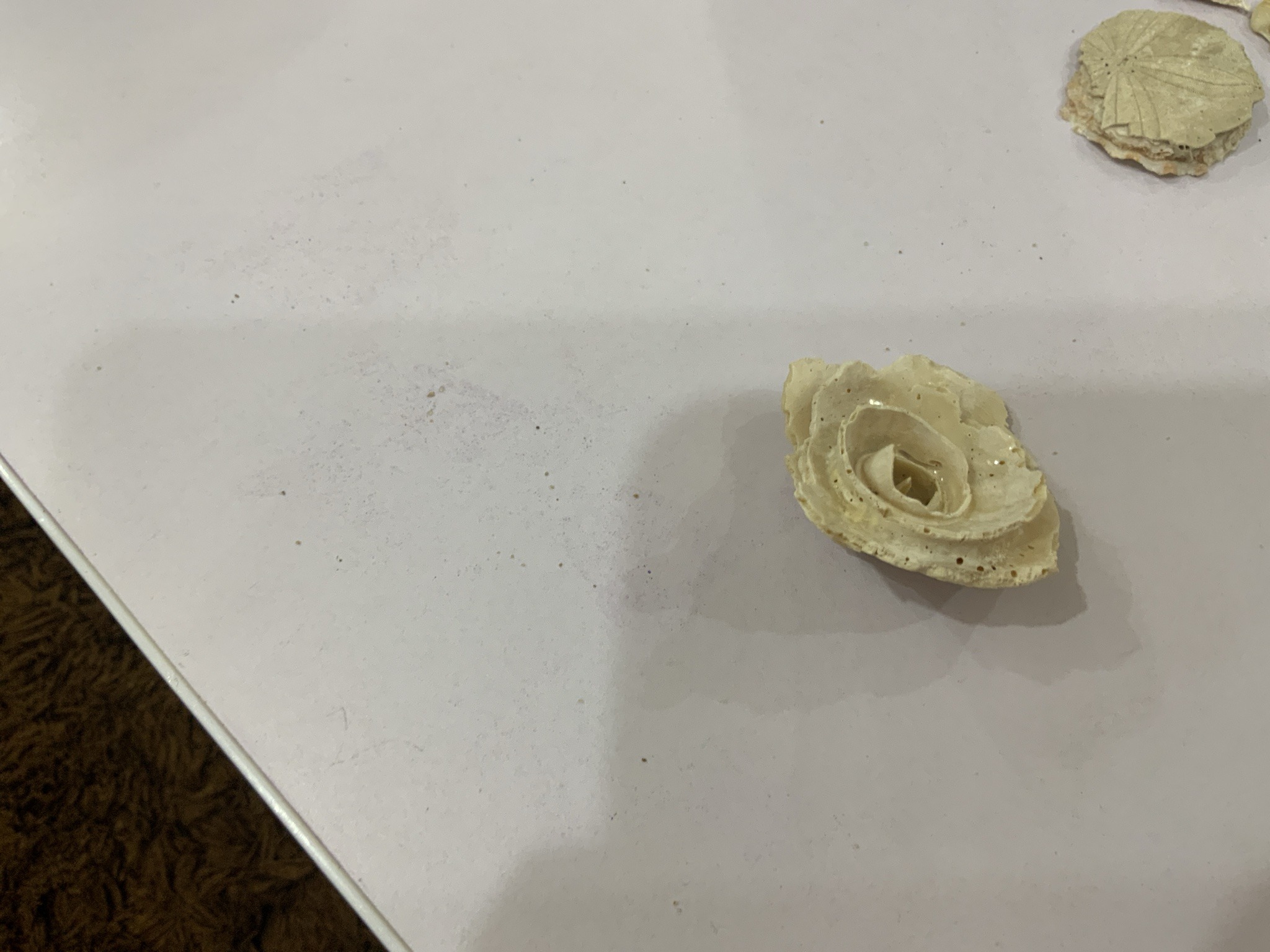
Desert rose-style selenite specimen

Rocks, Fossils, and Minerals

AI Estimated Value

·Not an official valuation·Verify before acting

$15.00 - $35.00

As of June 1, 2026

AI Item Analysis

·AI can make mistakes·Verify before acting
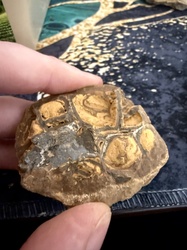
This item appears to be a natural mineral formation, stylistically consistent with a 'desert rose' selenite or gypsum crystal. The object features a multi-layered, rosette-like structure with concentric, blade-like petals radiating from a central point. It is off-white to pale cream in color, with visible porous textures and small crystalline inclusions across the surface. The construction is organic, formed through natural geological processes rather than human manufacture. Small grains of sand or sediment are trapped within the layers, which is typical for such evaporite minerals. No visible maker's marks, signatures, or labels are present, as is standard for raw mineral specimens. Regarding condition, the 'petals' show some minor edge wear and chipping, which is expected given the soft Mohs hardness of gypsum. The specimen is presented on a white surface alongside another unverified mineral fragment, possibly a fossilized sand dollar. Without physical testing of chemical composition or hardness, this identification remains a hypothesis based on visual morphological characteristics.
AI Appraisal Report

·AI can make mistakes·Verify before acting
Based on my visual analysis of the provided image, I am evaluating this specimen as a natural mineral formation consistent with a 'desert rose' selenite/gypsum structure. This hypothesis is supported by the rosette-like clusters and pale, sand-infused coloration typical of evaporite minerals found in arid regions. However, I cannot verify the chemical composition or structural integrity through a photograph alone; physical testing of the Mohs hardness or acid reaction would be required to rule out resin-based reproductions or other mineral look-alikes. Based on what I can see, the specimen displays some edge wear and moderate chipping on its blade-like petals, which is common for such soft minerals but does moderately affect the aesthetic value. The market for common mineral specimens of this size and type is generally stable, though secondary market prices are modest. The estimated value reflects a typical retail range for a natural specimen of this size and quality. If this item were found to be a synthetic reproduction or a composite, the value would likely drop below $5.00. To confirm its identity, I would recommend an in-person physical inspection to examine the crystalline structure for natural growth patterns and potentially verify its provenance or locality of origin. Should the accompanying fragment be identified as a fossilized sand dollar, its value would be appraised separately based on its own condition and rarity.

Get your items appraised

Instant estimates of your treasures with AI-powered appraisals

Browse More Appraisals