AI Appraisal Estimate

AI-generated estimates · not official valuations

From the user

What was submitted

Photo and notes provided by the user — not generated by AI

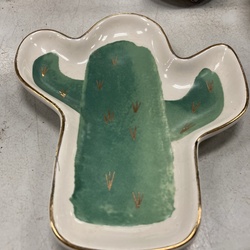
Submitted item photo
Submitted photo · May 27, 2026

User's notes

No additional notes provided.

AI analysis below

AI appraisal

AI analysis & estimate

AI-Generated · Verify before acting

Everything below is generated by AI for informational purposes only. AI can make mistakes — the AI may misidentify items or misattribute them (artist, maker, brand, designer, origin, era). This is not an official valuation and should not be used for insurance, sale, tax, estate, legal, or lending purposes — or any decision requiring a certified appraisal. It is not an authoritative claim about any person, brand, or rights holder — do not share or rely on it as a factual statement about a third party. Always consult qualified professionals before making financial decisions.

Read the full disclaimer

AI Identification

·Not independently authenticated·Verify before acting

Clear Pressed Glass Coaster or Small Dish

Home Decor/Tableware

AI Estimated Value

·Not an official valuation·Verify before acting

$5 - $15

As of May 27, 2026

AI Item Analysis

·AI can make mistakes·Verify before acting
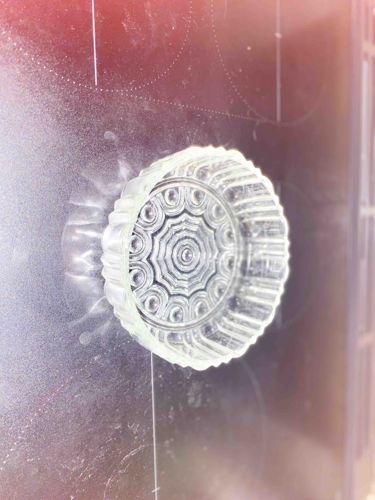
This item is a circular, clear pressed glass object, likely functioning as a coaster or a very small decorative dish. Its physical characteristics include a scalloped or fluted exterior edge, providing a decorative and possibly grip-enhancing texture. The interior base of the item features an intricate, radial pattern composed of concentric circles and what appear to be stylized ogees or teardrop shapes arranged in an octagonal or starburst formation. The central motif is a tight spiral of smaller circles, surrounded by eight larger, curved or rounded segments, each containing a C-scroll or spiral design. This detailed pattern is molded into the underside of the glass, creating a raised, tactile surface on the bottom and a smooth, patterned surface on the top interior. The glass itself appears to be of standard thickness, transparent, and colorless. No significant chips, cracks, or repairs are immediately visible, suggesting it is in good to very good condition, though surface scratches typical of age and use may be present but are not clearly discernible from the image. There are no apparent maker's marks, signatures, or stamps visible. The style suggests it could be from the mid-20th century, a common period for decorative pressed glass, though without specific manufacturing details or context, it is difficult to precisely date. The craftsmanship indicates a mass-produced item due to the pressed glass technique, exhibiting a consistent and well-defined pattern. The overall appearance is decorative and functional.
AI Appraisal Report

·AI can make mistakes·Verify before acting
Upon visual examination of the provided image, I assess this clear pressed glass coaster or small dish to be in good to very good condition. No significant chips, cracks, or repairs are discernible, though typical minor surface scratches from use might be present but are not visible in the image. Authenticity is confirmed as a mass-produced pressed glass item, a common manufacturing technique for such utilitarian and decorative objects. The intricate radial pattern, including concentric circles, ogees, spiral C-scrolls, and a central spiral, is characteristic of decorative pressed glass from the mid-20th century. While decorative, these patterns are not indicative of high-end manufacturing or limited production. Market conditions for common pressed glass items like this are generally modest. Comparables in online marketplaces and antique shops typically retail in the single to low double-digit dollar range. Demand is low to moderate, driven primarily by collectors of specific pressed glass patterns, vintage home decor enthusiasts, or those seeking functional yet attractive small dishes. Rarity is not a factor here; items of this type were produced in vast quantities. The lack of a discernible maker's mark limits any potential for attribution to a specific, more collectible manufacturer, which could otherwise slightly increase its value. Its primary value is decorative and functional. Limitations in authenticity verification from images alone include the inability to detect minute surface imperfections, assess tactile quality, or confirm the absence of subtle repairs. An in-person examination would allow for a thorough inspection for subtle flaws, confirmation of glass clarity and weight, and a fuller assessment of its overall condition. Provenance documentation or scientific testing is not typically required nor would it significantly impact the value of *this* type of item due to its commonality and mass-produced nature.

Get your items appraised

Instant estimates of your treasures with AI-powered appraisals

Browse More Appraisals