AI identification & appraisal estimate

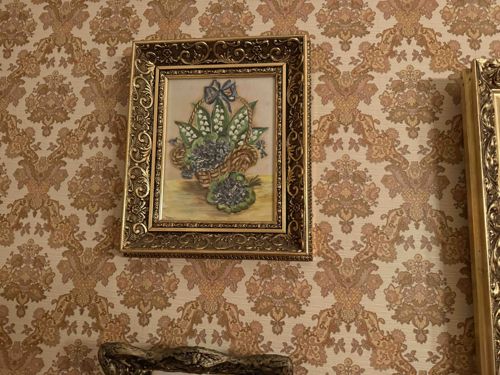
Framed Petit Point Needlework Tapestry of Lily of the Valley and Violets

This name is the AI's identification of the item — it may be incorrect.

Submitted photo of Framed Petit Point Needlework Tapestry of Lily of the Valley and Violets
Photo submitted by the user — not generated by AI

User's notes

Tapestry

These notes were written by the person who submitted this item. Appraiser.AI has not verified them, and the AI's identification and estimate may rely on them.

AI Estimated Value

Not an official valuation

$150 - $250

AI estimate as of March 15, 2026 · verify with a professional before acting

AI-Generated · Verify before acting

Everything on this page is generated by AI for informational purposes only. AI can make mistakes — the AI may misidentify items or misattribute them (artist, maker, brand, designer, origin, era). This is not an official valuation and should not be used for insurance, sale, tax, estate, legal, or lending purposes — or any decision requiring a certified appraisal. It is not an authoritative claim about any person, brand, or rights holder — do not share or rely on it as a factual statement about a third party. Always consult qualified professionals before making financial decisions.

This analysis also relies on unverified notes provided by the user, which may be incomplete or inaccurate and could affect the result.

Read the full disclaimer

AI Item Analysis

This item is a small-scale, vertical-oriented needlework tapestry, likely executed in petit point or fine needlepoint technique. The textile depicts a floral still life featuring a woven wicker basket overflowing with delicate white Lily of the Valley blooms and vibrant purple Violets, accented by a blue ribbon bow at the handle. A separate cluster of violets rests on the foreground surface. The color palette consists of soft greens, deep purples, creamy whites, and golden-browns for the basketry, set against a neutral, beige background. The craftsmanship indicates a refined hand-worked piece, typical of mid-20th-century decorative arts. This textile is housed in a substantial, ornate gilded wood or composite frame. The frame features a deep profile with intricate Rococo-style scrollwork, foliate motifs, and beaded inner borders. The gilding shows a rich, slightly aged patina with minor leafing wear at the high points, which suggests an age approximately between 1940 and 1970. The frame appears structurally sound, while the tapestry itself shows no immediate signs of moisture damage, though some light fading consistent with age and exposure to light is present. No visible maker's marks are discernible through the glass, which is common for such domestic needlework pieces.
AI Appraisal Report

Upon visual examination of this framed petit point needlework, I have assessed it as a fine example of mid-20th-century domestic decorative art, likely dating between 1940 and 1960. The needlework exhibits a high stitch count and commendable precision, particularly in the tonal shading of the violets and the structural rendering of the wicker basket. The textile shows minor light-related fading and natural oxidation of the beige ground, which is consistent with age. The ornate Rococo-style gilded frame is a significant value-add, showing only minor leafing wear and maintaining structural integrity. In the current secondary market for vintage textiles, demand is driven primarily by the decorative appeal and the quality of the framing rather than a specific artist's signature. Comparables for similar mid-scale needlepoint pieces generally fall within the $100 to $300 range at regional auction houses or through premium vintage retailers. High-quality frames often account for a substantial portion of the valuation in this category. For a definitive authentication, an in-person inspection is required to remove the backing and examine the verso of the textile for maker's marks, consistency of hand-stitching versus machine assistance, and to confirm the frame material (solid wood versus molded composition). This appraisal assumes the textile is free of hidden pest damage or acidic degradation from the mounting materials. Documentation regarding the piece's provenance or history of ownership would further solidify its historical context.

Keep exploring

More fine art textiles / decorative arts appraisals

Get your items appraised

Instant AI-powered appraisal estimates from a photo

Browse More Appraisals