AI identification & appraisal estimate

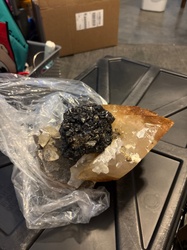
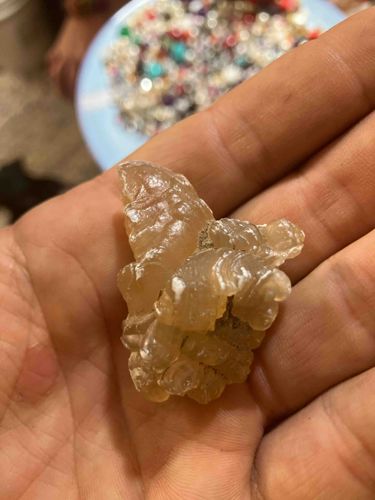
Botryoidal Chalcedony Specimen

Submitted photo of Botryoidal Chalcedony Specimen
Photo submitted by the user — not generated by AI

AI Estimated Value

Not an official valuation

$40-60

AI estimate as of June 9, 2025 · verify with a professional before acting

AI-Generated · Verify before acting

Everything on this page is generated by AI for informational purposes only. AI can make mistakes — the AI may misidentify items or misattribute them (artist, maker, brand, designer, origin, era). This is not an official valuation and should not be used for insurance, sale, tax, estate, legal, or lending purposes — or any decision requiring a certified appraisal. It is not an authoritative claim about any person, brand, or rights holder — do not share or rely on it as a factual statement about a third party. Always consult qualified professionals before making financial decisions.

Read the full disclaimer

AI Item Analysis

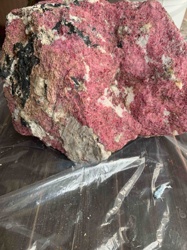
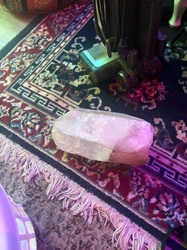
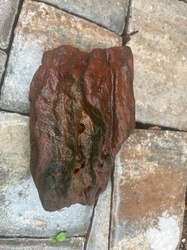
The item is a small, irregularly shaped mineral specimen held in the open palm of a hand. It appears to be a botryoidal form of chalcedony, commonly known as botryoidal agate or grape agate, though the color is different from the typical purple associated with 'grape agate'. The cluster is translucent to semi-translucent with a cloudy, yellowish-brown to light tan color. The surface is characterized by numerous small, rounded, interconnected nodules that resemble bunches of grapes, giving rise to its descriptive name. There are some areas of lighter, possibly whitish, surface inclusions or deposits. The size is relatively small, fitting comfortably within the palm. There are visible striations or growth lines on some of the individual nodules. The overall form is compact and clustered. No discernible manufacturing marks or signatures are present, as it is a natural mineral formation. The condition appears generally good for a natural specimen, with the botryoidal structure intact. There are no obvious signs of chips, cracks, or repairs visible in the image. The specimen exhibits a vitreous to waxy luster. The age is geological in nature. Its quality is based on the clarity of the nodules, the uniformity of the structure, and the overall aesthetic appeal of the formation.

AI Appraisal Report

I have examined the provided image of a small, yellowish-brown botryoidal chalcedony specimen. Based on the visual evidence, the botryoidal formation appears authentic and the specimen is in good condition, showing no visible chips, cracks, or repairs. The translucency and waxy luster are consistent with chalcedony. The color is less desirable than the vibrant purple typically seen in 'grape agate,' which impacts market value. The size is also a factor, being a smaller specimen. Demand for botryoidal chalcedony is moderate among mineral collectors, with rarity varying by color and formation quality. This particular color is not especially rare. Market comparables for similar small, non-purple botryoidal chalcedony specimens suggest a modest valuation. Factors positively impacting value include the well-formed, uniform nodules and lack of apparent damage. The primary limiting factor is the less appealing color compared to collectors' preferred purple examples. Authentication from an image alone has limitations; while the visual characteristics are consistent with genuine botryoidal chalcedony, a physical examination would allow for non-destructive testing (e.g., hardness, specific gravity) to confirm the mineral composition definitively and rule out simulants. Provenance documentation would also add to the item's history and potentially its value in a collector's market.

Keep exploring

More mineral specimen appraisals

Get your items appraised

Instant AI-powered appraisal estimates from a photo

Browse More Appraisals