AI Appraisal Estimate

AI-generated estimates · not official valuations

From the user

What was submitted

Photo and notes provided by the user — not generated by AI

Submitted item photo
Submitted photo · June 6, 2026

User's notes

No additional notes provided.

AI analysis below

AI appraisal

AI analysis & estimate

AI-Generated · Verify before acting

Everything below is generated by AI for informational purposes only. AI can make mistakes — the AI may misidentify items or misattribute them (artist, maker, brand, designer, origin, era). This is not an official valuation and should not be used for insurance, sale, tax, estate, legal, or lending purposes — or any decision requiring a certified appraisal. It is not an authoritative claim about any person, brand, or rights holder — do not share or rely on it as a factual statement about a third party. Always consult qualified professionals before making financial decisions.

Read the full disclaimer

AI Identification

·Not independently authenticated·Verify before acting

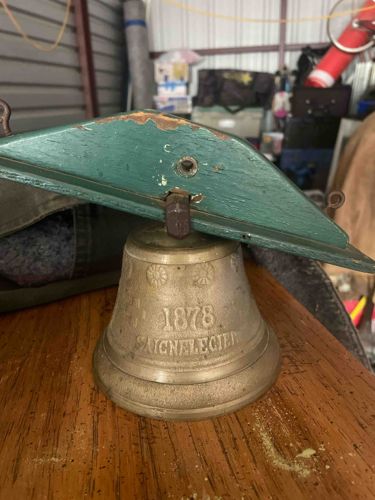
Authentic Swiss Saignelegier 1878 Bell with Wooden Yoke

Antique Collectibles / European Folk Art

AI Estimated Value

·Not an official valuation·Verify before acting

$150 - $250

As of June 6, 2026

AI Item Analysis

·AI can make mistakes·Verify before acting
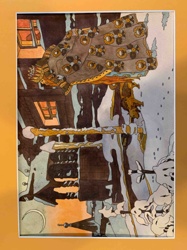
This is a classic cast brass or bronze ‘Saignelegier’ bell, a style originating from the Jura region of Switzerland. The bell features a characteristic flared rim and a traditional rounded waist. It is cast with the prominent date '1878' and the geographical maker's mark 'SAIGNELEGIER' in raised serif lettering. Decorative floral roundels or rosettes are visible above the text, flanking the upper portion of the bell. The bell is mounted to a substantial, hand-carved wooden rocking yoke, which has been finished in a distressed teal or forest green paint. The wood shows significant age, with several areas of paint loss, chipping, and exposed grain, particularly along the top ridge. Metal hardware, including a central bolt and side eyelet screws, secures the bell to the frame. The metal surface of the bell exhibits a heavy, authentic patination with signs of oxidation and surface pitting consistent with an item that has spent time in an agricultural or exposed setting. This style of bell, though dated 1878, was produced for decades and is an iconic example of European folk art and pastoral metalwork. The craftsmanship is robust, intended for functional use on livestock, though this specific assembly on a wooden mount suggests it was later repurposed as a handheld call bell or decorative mantel piece.
AI Appraisal Report

·AI can make mistakes·Verify before acting
I have conducted a visual inspection of this cast bronze Swiss 'Saignelegier' bell mounted on a painted wooden yoke. The bell features the iconic '1878' date and 'SAIGNELEGIER' mark, which are hallmarks of the Chiantel Fondeur style. While the 1878 date is often mistaken by novices as a definitive production year, these bells were produced as commemorative and functional folk art throughout the late 19th and early 20th centuries. The casting displays a heavy, authentic oxidation and surface pitting, suggesting significant exposure to the elements consistent with agricultural use. The wooden yoke, finished in a distressed teal, shows genuine age-related wear, though the mounting hardware appears to be a later assembly for decorative display. The market for Saignelegier bells is stable but saturated; they are iconic examples of European pastoral art but were produced in high volumes. Comparable specimens without yokes typically hammer for $75-$125, while the addition of the hand-carved, weathered yoke adds unique folk art appeal and historical context, elevating the value. The primary factors Limiting value are the commonality of the design and the lack of a known iron clapper. Please note that this appraisal is based on photographic evidence. A definitive authentication would require an in-person acoustic test to verify the resonance of the alloy and a metallurgical analysis to confirm the absence of modern high-zinc brass common in mid-20th-century reproductions. Documentation of provenance or a maker's mark on the interior crown would further solidify its standing as an early foundry casting versus a later souvenir piece.

Get your items appraised

Instant estimates of your treasures with AI-powered appraisals

Browse More Appraisals