AI Appraisal Estimate

AI-generated estimates · not official valuations

From the user

What was submitted

Photo and notes provided by the user — not generated by AI

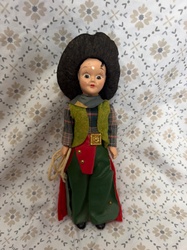
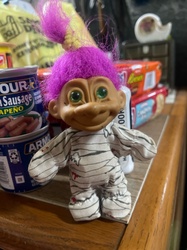
Submitted item photo
Submitted photo · June 18, 2026

User's notes

No additional notes provided.

AI analysis below

AI appraisal

AI analysis & estimate

AI-Generated · Verify before acting

Everything below is generated by AI for informational purposes only. AI can make mistakes — the AI may misidentify items or misattribute them (artist, maker, brand, designer, origin, era). This is not an official valuation and should not be used for insurance, sale, tax, estate, legal, or lending purposes — or any decision requiring a certified appraisal. It is not an authoritative claim about any person, brand, or rights holder — do not share or rely on it as a factual statement about a third party. Always consult qualified professionals before making financial decisions.

Read the full disclaimer

AI Identification

·Not independently authenticated·Verify before acting

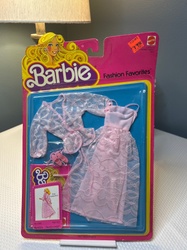
Vintage European Folk Costume Doll (Regional Souvenir)

Dolls and Toys/Vintage Collectibles

AI Estimated Value

·Not an official valuation·Verify before acting

$45-85

As of June 18, 2026

AI Item Analysis

·AI can make mistakes·Verify before acting
This is a vintage collector doll appearing to represent a specific European regional folk costume, likely from Hungary or the Balkan region based on the embroidery style. The doll features a hand-painted face with delicate features, including blue eyes and red lips, framed by synthetic blonde hair. She wears a traditional white headscarf (kerchief) and a highly decorative ensemble. The outfit consists of a white blouse with puffed sleeves and floral prints, layered under a vibrant pink apron adorned with dense, multi-colored floral embroidery in shades of orange, yellow, and green. The apron is bordered with a white crocheted lace trim. Beneath the apron is a voluminous light blue or lavender skirt featuring a black rick-rack decorative band near the hem. The doll is likely constructed of hard plastic or a similar composition material typical of mid-20th-century souvenir dolls (1950s-1970s). The craftsmanship is of good quality for a souvenir piece, particularly the intricate embroidery. Condition-wise, the fabrics appear well-preserved with some minor surface dust and softening of the lace edges. No significant structural damage, fading, or staining is immediately visible in the provided image.
AI Appraisal Report

·AI can make mistakes·Verify before acting
Upon examination of this 1950s-1970s era regional souvenir doll, I find it to be a well-preserved example of European folk-art manufacture, specifically characteristic of the Kalocsa or Matyo embroidery styles of Hungary. The hard plastic construction and hand-painted features are indicative of mass-market European souvenir production during the mid-20th century. My visual inspection confirms the textiles are remarkably vibrant, with the multi-colored floral embroidery on the pink apron remaining crisp and free of significant UV fading. The structural integrity of the doll appears sound, though there is expected atmospheric dust and minor fraying consistent with age. The market for regional souvenir dolls is currently saturated, as these were produced in high volumes for the post-war tourism industry. High-end collectors typically seek dolls by specific makers like Kämmer & Reinhardt or those with porcelain heads; however, there is steady demand among niche folk-costume enthusiasts for pieces with intact, complex embroidery like this one. Comparable sales for similar Hungarian-type dolls in this condition generally fall in the double-digit range. Value is primarily driven by the condition of the delicate lace and the lack of 'crazing' on the plastic body. Please note that this appraisal is based on photographic evidence only. A physical inspection is required to check for hidden pest damage in the fabric, manufacturing marks on the back of the neck or torso, and 'vinegar syndrome' (pitting or odor) common in early plastics. Full authentication would require provenance documentation or a confirmed manufacturer’s stamp, which cannot be verified without handling the specimen.

Get your items appraised

Instant estimates of your treasures with AI-powered appraisals

Browse More Appraisals