AI Appraisal Estimate

AI-generated estimates · not official valuations

From the user

What was submitted

Photo and notes provided by the user — not generated by AI

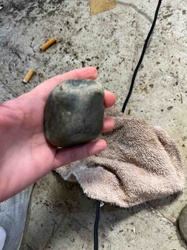
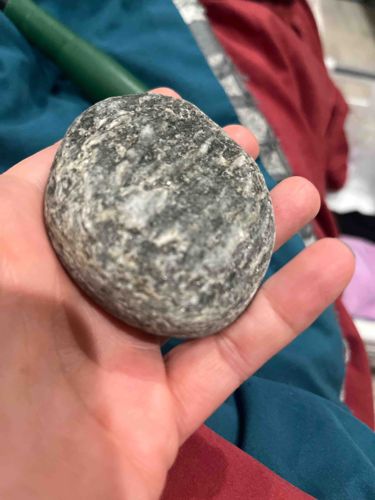
Submitted item photo
Submitted photo · May 22, 2026

User's notes

No additional notes provided.

AI analysis below

AI appraisal

AI analysis & estimate

AI-Generated · Verify before acting

Everything below is generated by AI for informational purposes only. AI can make mistakes — the AI may misidentify items or misattribute them (artist, maker, brand, designer, origin, era). This is not an official valuation and should not be used for insurance, sale, tax, estate, legal, or lending purposes — or any decision requiring a certified appraisal. It is not an authoritative claim about any person, brand, or rights holder — do not share or rely on it as a factual statement about a third party. Always consult qualified professionals before making financial decisions.

Read the full disclaimer

AI Identification

·Not independently authenticated·Verify before acting

Gneiss River Rock

Geological Specimens / Natural Objects

AI Estimated Value

·Not an official valuation·Verify before acting

$5.00 - $15.00

As of May 22, 2026

AI Item Analysis

·AI can make mistakes·Verify before acting
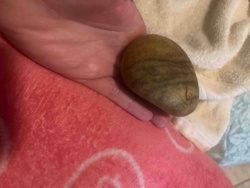
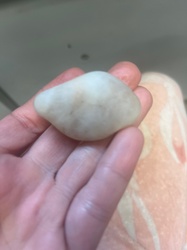
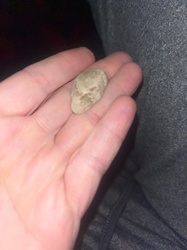
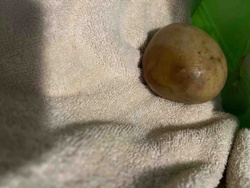
This item is a natural, palm-sized water-worn stone, likely a type of metamorphic rock known as gneiss or a high-grade schist. It measures approximately 2.5 to 3 inches in diameter and exhibits a distinct sub-rounded, discoidal shape consistent with fluvial or glacial erosion. The specimen features a complex 'salt and pepper' coloration, primarily composed of dark gray to black minerals (likely biotite or hornblende) interspersed with lighter white and translucent veins of quartz or feldspar. Notable features include visible foliation and slight banding, where mineral crystals have aligned under geological pressure. The surface texture appears matte and slightly grainy, characterized by natural pitting and minor abrasions consistent with exposure to outdoor elements. There are no man-made markings, signatures, or signs of human modification, suggesting it is a geological specimen rather than an artifact. Its condition is entirely natural with an organic patina; there are no significant fractures or structural compromises. This stone represents a typical example of ancient metamorphic crust, potentially hundreds of millions of years old, shaped by modern environmental forces. The craftsmanship is entirely natural, resulting in a smooth, tactile object often used for decorative landscaping, meditation aids, or geological study.
AI Appraisal Report

·AI can make mistakes·Verify before acting
I have virtually examined this palm-sized specimen of water-worn gneiss. The stone displays characteristic metamorphic banding and a 'salt and pepper' mineral composition consistent with high-grade schist or gneissic rock. Based on the visual evidence, the condition is rated as 'natural/良好' (good), showing expected fluvial erosion, minor pitting, and zero evidence of mechanical polishing or human alteration. It appears to be an authentic geological specimen. The market for common metamorphic river rocks is primarily driven by decorative utility, tactile use (meditation/worry stones), or elementary geological education. While geologically ancient, this specific specimen is extremely common globally and lacks the rare mineral inclusions (such as garnets) or unique 'scholar stone' aesthetics (Gongshi) that would command a premium. Comparables include bulk-sourced landscaping stones or individual specimens sold in museum gift shops and metaphysical stores, which typically retail in the $5 to $15 range. Factors limiting value include its small size and the lack of rarity. Value could be slightly enhanced if the stone possessed unique provenance—for example, if it originated from a specific historically significant site. Limitations of this digital appraisal: I cannot verify the exact mineral hardness, specific gravity, or internal structural integrity from an image. A full authentication would require tactile inspection to confirm the absence of synthetic coatings and potentially thin-section analysis or X-ray diffraction (XRD) if precise mineral identification were required for scientific purposes. For valuation purposes, this is treated as a decorative natural object.

Get your items appraised

Instant estimates of your treasures with AI-powered appraisals

Browse More Appraisals