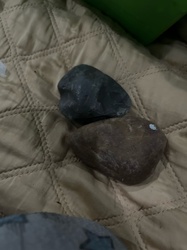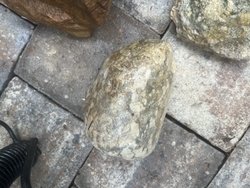
AI identification & appraisal estimate

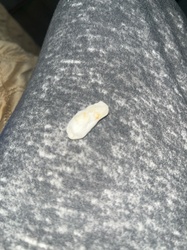
Naturally Occurring Rock Fragment

This name is the AI's identification of the item — it may be incorrect.

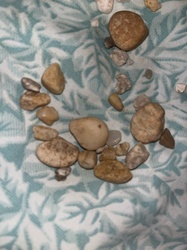
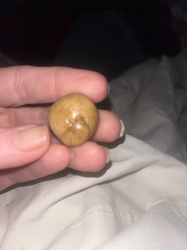
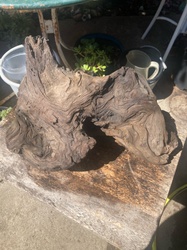
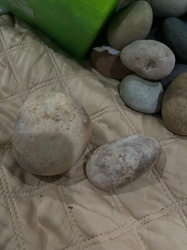
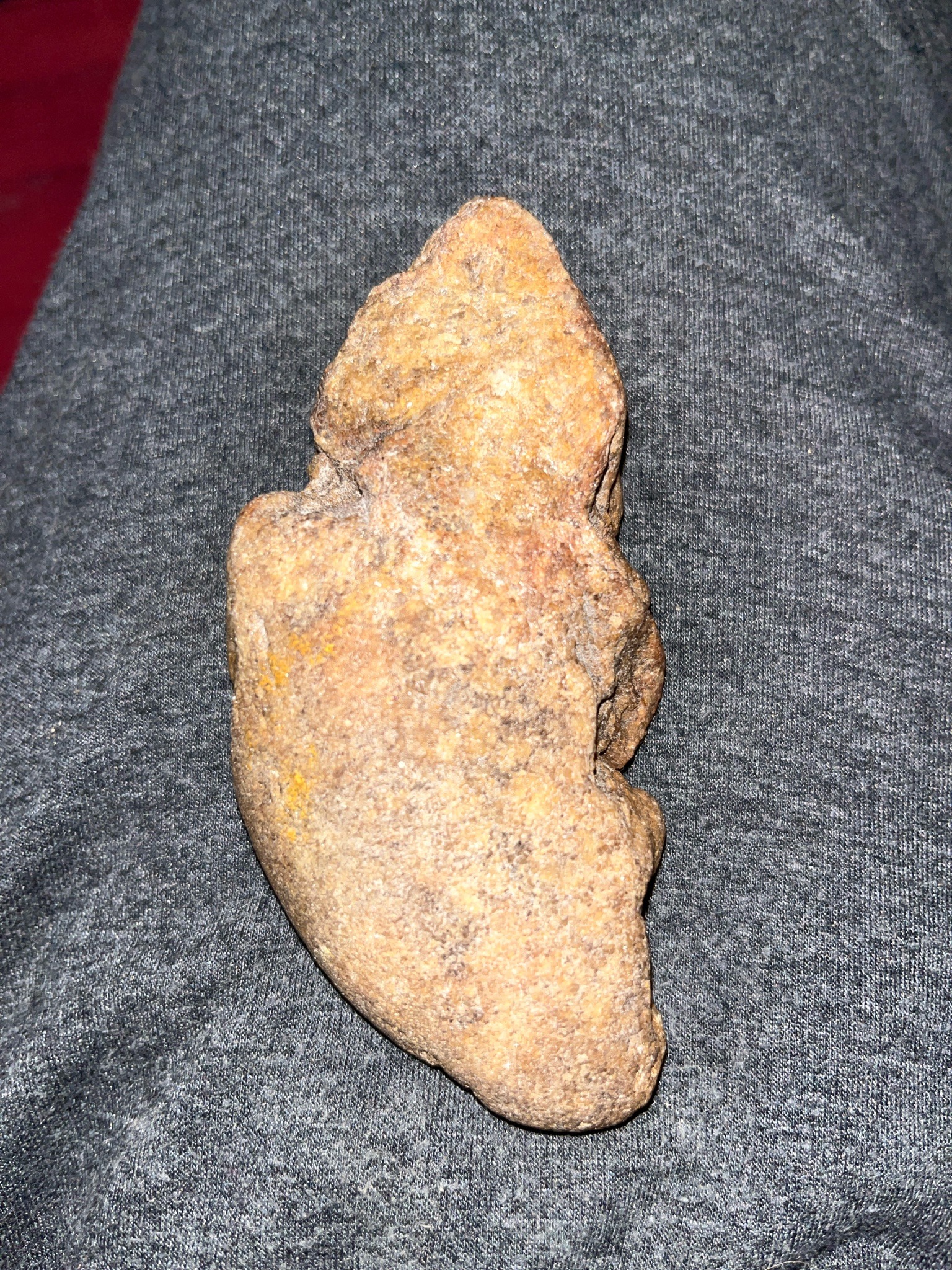
Submitted photo of Naturally Occurring Rock Fragment
Photo submitted by the user — not generated by AI

AI Estimated Value

Not an official valuation

$5 - $25

AI estimate as of June 14, 2026 · verify with a professional before acting

AI-Generated · Verify before acting

Everything on this page is generated by AI for informational purposes only. AI can make mistakes — the AI may misidentify items or misattribute them (artist, maker, brand, designer, origin, era). This is not an official valuation and should not be used for insurance, sale, tax, estate, legal, or lending purposes — or any decision requiring a certified appraisal. It is not an authoritative claim about any person, brand, or rights holder — do not share or rely on it as a factual statement about a third party. Always consult qualified professionals before making financial decisions.

Read the full disclaimer

AI Item Analysis

This item is an irregularly shaped geological specimen with an earthy, reddish-brown to tan coloration. It appears to be a natural rock fragment, possibly a piece of sandstone or a similar sedimentary conglomerate, exhibiting a coarse and granular surface texture. The object has an elongated, somewhat anthropomorphic or zoomorphic silhouette, though this is likely a result of pareidolia or natural weathering and erosion rather than intentional craftsmanship. The surface shows varied coloration with small specks of darker mineral inclusions and localized yellow-orange staining, which is consistent with iron oxide or lichen presence. There are no visible tool marks, maker’s stamps, signatures, or signs of anthropogenic modification. The edges are rounded and dull, suggesting exposure to hydraulic or wind erosion over time. Because there are no visible attributes indicating manufacture, it is classified as a found natural object. Any identification as a cultural artifact would require an in-person geological and archaeological assessment to rule out natural formation.
AI Appraisal Report

Based on my visual examination of the provided image, I have evaluated this specimen as a naturally occurring rock fragment, likely composed of sandstone or a similar sedimentary conglomerate. The earthy coloration and granular surface suggest natural weathering processes rather than human intervention. I can see what appears to be an anthropomorphic silhouette; however, I must treat the hypothesis that this is a cultural artifact with extreme caution, as the shape likely results from pareidolia or natural hydraulic erosion. I cannot determine from a photo alone if there are microscopic tool marks or subsurface mineral alterations that would indicate anthropogenic modification. The current valuation is based on its status as a geological curiosity or 'found object.' There is a very limited market for unworked natural stones of this size and composition, which typically sell as decorative garden elements or minor shelf specimens. Should an in-person archaeological or geological assessment provide evidence of intentional carving or ancient cultural use, the value could theoretically increase significantly into the hundreds or thousands of dollars depending on cultural significance and rarity. However, without provenance or scientific testing to rule out natural formation, it remains a low-value natural item. To establish any higher value, physical inspection by a lithics expert or petrographic analysis would be required to look for signs of manufacture or usage wear. In the absence of such evidence, the item's value is purely nominal within the secondary market for natural curiosities.

Keep exploring

More natural objects appraisals

Get your items appraised

Instant AI-powered appraisal estimates from a photo

Browse More Appraisals