AI identification & appraisal estimate

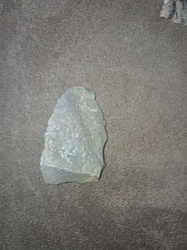
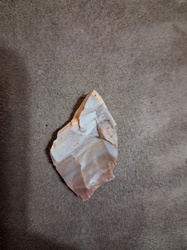
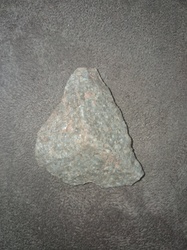
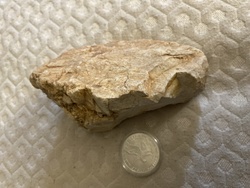
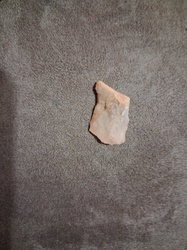
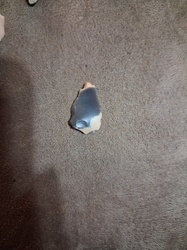
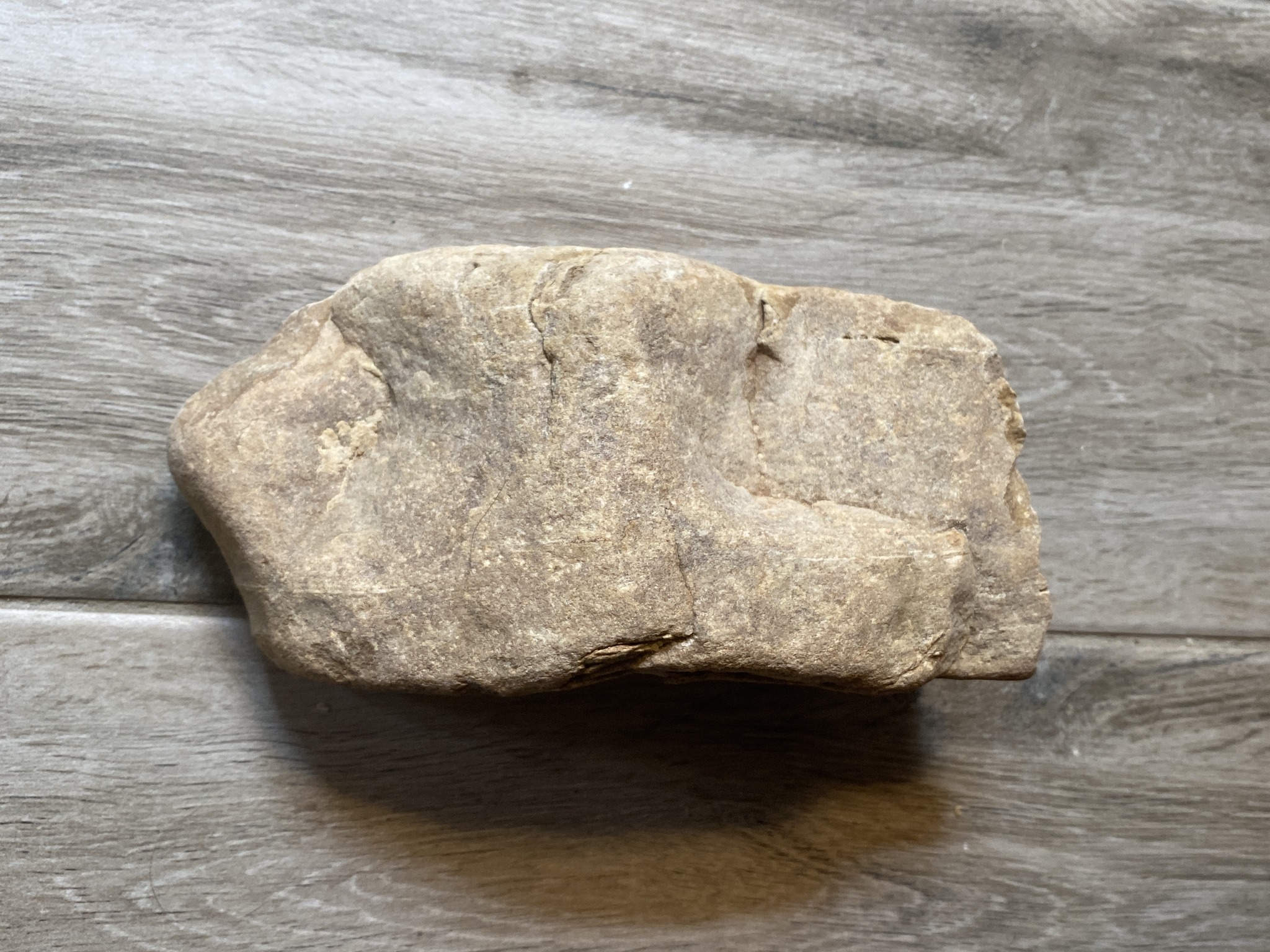
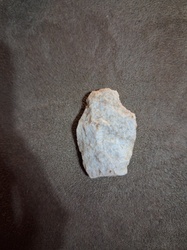
Stone artifact with carved features

Submitted photo of Stone artifact with carved features
Photo submitted by the user — not generated by AI

User's notes

Discovered this prehistoric stone portable rock effigy likely from the Paleo indian era. The stone effigy was found in Guthrie, OK and measures 7" x 3".

These notes were written by the person who submitted this item. Appraiser.AI has not verified them, and the AI's identification and estimate may rely on them.

AI Estimated Value

Not an official valuation

$150-$400

AI estimate as of August 22, 2026 · verify with a professional before acting

AI-Generated · Verify before acting

Everything on this page is generated by AI for informational purposes only. AI can make mistakes — the AI may misidentify items or misattribute them (artist, maker, brand, designer, origin, era). This is not an official valuation and should not be used for insurance, sale, tax, estate, legal, or lending purposes — or any decision requiring a certified appraisal. It is not an authoritative claim about any person, brand, or rights holder — do not share or rely on it as a factual statement about a third party. Always consult qualified professionals before making financial decisions.

This analysis also relies on unverified notes provided by the user, which may be incomplete or inaccurate and could affect the result.

Read the full disclaimer

AI Item Analysis

The presented item is a naturally weathered, brownish-tan stone object resting on a wooden surface. Based strictly on the visual evidence in the photograph, the piece displays irregular contours, earthy coloration, and rough mineral textures consistent with raw geological specimens or naturally eroded sedimentary rock. There are subtle indentations and ridges along the surface that may suggest anthropomorphic or zoomorphic shaping upon closer inspection, though these features could also be the result of natural weathering processes such as water erosion or wind abrasion. The item measures approximately 7 inches by 3 inches based on user-supplied details, though physical scale cannot be independently verified from the image alone. There are no visible maker's marks, stamps, signatures, or inscriptions anywhere on the surface. The overall physical condition shows heavy wear, pitting, and natural patination typical of stones exposed to the elements over an extended period. The owner identifies this as a prehistoric stone portable rock effigy likely from the Paleo-Indian era, supposedly discovered in Guthrie, Oklahoma. However, this user-supplied attribution is entirely unauthenticated and unverified by physical examination, as natural geological formations can frequently mimic ancient artifacts through pareidolia. Without professional archaeological excavation records, controlled context, or detailed trace-use analysis under magnification, it is impossible to state whether this object is a genuine Native American effigy tool or simply a naturally shaped rock.
AI Appraisal Report

Based on the visual evidence available in the photograph, I can observe a naturally weathered brownish-tan stone with irregular contours, rough mineral textures, and subtle surface ridges. I cannot verify physical scale, exact geological composition, or whether the subtle indentations are the result of ancient human workmanship or natural weathering processes such as water erosion and wind abrasion from a photograph alone. Per user submission, the owner identifies this object as a prehistoric stone portable rock effigy from the Paleo-Indian era, supposedly discovered in Guthrie, Oklahoma. Assuming this hypothesis is correct and the object is a genuine Paleo-Indian artifact, items of this type generally trade in a value range of $150 to $400, depending heavily on provenance, archaeological context, and undisputed material analysis. However, because this attribution remains entirely unauthenticated, the market value for a naturally shaped geological stone showing no formal signs of human modification would typically be nominal, essentially limited to decorative or mineral specimen value under $50. General market demand for unprovenanced surface-find lithic artifacts is speculative and cautious, as pareidolia frequently causes natural stones to mimic effigies. To move beyond this working assumption and establish potential authenticity or value, physical in-person examination by a qualified archaeologist or lithic expert would be necessary, alongside controlled excavation records, trace-use analysis under magnification, and detailed provenance documentation.

Keep exploring

More archaeological artifacts appraisals

Get your items appraised

Instant AI-powered appraisal estimates from a photo

Browse More Appraisals