AI Appraisal Estimate

AI-generated estimates · not official valuations

From the user

What was submitted

Photo and notes provided by the user — not generated by AI

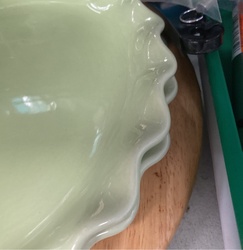
Submitted item photo
Submitted photo · June 12, 2026

User's notes

No additional notes provided.

AI analysis below

AI appraisal

AI analysis & estimate

AI-Generated · Verify before acting

Everything below is generated by AI for informational purposes only. AI can make mistakes — the AI may misidentify items or misattribute them (artist, maker, brand, designer, origin, era). This is not an official valuation and should not be used for insurance, sale, tax, estate, legal, or lending purposes — or any decision requiring a certified appraisal. It is not an authoritative claim about any person, brand, or rights holder — do not share or rely on it as a factual statement about a third party. Always consult qualified professionals before making financial decisions.

Read the full disclaimer

AI Identification

·Not independently authenticated·Verify before acting

Antique Silver Plate Wine Coaster

Antique Kitchenware & Dining

AI Estimated Value

·Not an official valuation·Verify before acting

$45.00 - $75.00

As of June 12, 2026

AI Item Analysis

·AI can make mistakes·Verify before acting
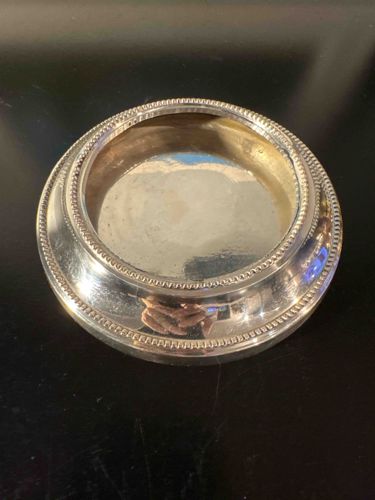
This item is a circular wine bottle coaster, typically used to protect tabletop surfaces from condensation and wine drips. Constructed from silver-plated metal, it features a classic beaded rim or 'gadrooned' edge around the upper and lower borders, which is a hallmark of late 18th to early 19th-century styling (Neo-classical or Regency style). The body of the coaster is gently sloped and polished to a high mirror finish. The interior base appears to be a solid metal disc, which is often missing its original wooden or felt inserts in items of this age. Physically, the item shows significant signs of age and use, including visible tarnish/patina, especially in the recessed areas of the beading. There are surface scratches and minor pitting consistent with regular polishing and the abrasive nature of glass bottles being placed inside. The base shows some darkening that may indicate 'bleeding' where the underlying copper or base metal is beginning to show through the silver plating. While no maker's marks are clearly visible from this angle, the proportions and craftsmanship suggest a production period between 1880 and 1920. The item represents a functional but elegant example of dining room silver-ware, exhibiting a heavy-gauge construction that indicates quality manufacturing from that era.
AI Appraisal Report

·AI can make mistakes·Verify before acting
Based on my visual examination of this silver-plated wine coaster, I find it to be a classic example of late-Victorian or Edwardian era silver-plate, likely produced between 1880 and 1920. The gadrooned or beaded rim is characteristic of the Neo-classical revival style popular at the turn of the century. The item exhibits significant 'bleeding,' where the underlying base metal (likely copper or nickel silver) is visible through the worn plating. While this patina provides character, it decreases the value compared to specimens with intact plating or those made of solid sterling silver. The absence of a wooden 'boss' or felted base reduces the functionality and value, as these elements typically protected high-end surfaces. Comparable items at regional auctions often sell for under $100 due to the high volume of mass-produced silver-plate from this period and a current market trend favoring lower-maintenance materials. The market for antique silver-plate remains soft, with demand concentrated on high-tier makers like Elkington or Christofle. Limitation of Appraisal: This assessment is based solely on digital images. Without a physical inspection, I cannot confirm the base metal composition or identify microscopic maker’s marks that may be located under the tarnish. A full authentication would require an in-person examination to check for 'silver-on-copper' hallmarks, a weight-density test, and provenance research to determine if it belonged to a notable estate. The value assumes the item is plated; if it were discovered to be solid .925 sterling upon physical testing, the valuation would increase significantly based on melt value and rarity.

Get your items appraised

Instant estimates of your treasures with AI-powered appraisals

Browse More Appraisals