AI identification & appraisal estimate

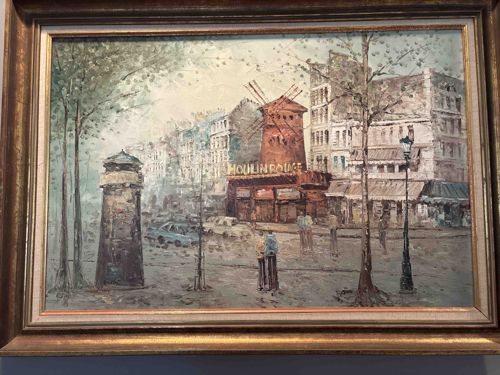
Moulin Rouge Scene Oil Painting

Submitted photo of Moulin Rouge Scene Oil Painting
Photo submitted by the user — not generated by AI

User's notes

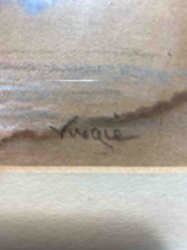
Russo

These notes were written by the person who submitted this item. Appraiser.AI has not verified them, and the AI's identification and estimate may rely on them.

AI Estimated Value

Not an official valuation

$300-500

AI estimate as of November 15, 2025 · verify with a professional before acting

AI-Generated · Verify before acting

Everything on this page is generated by AI for informational purposes only. AI can make mistakes — the AI may misidentify items or misattribute them (artist, maker, brand, designer, origin, era). This is not an official valuation and should not be used for insurance, sale, tax, estate, legal, or lending purposes — or any decision requiring a certified appraisal. It is not an authoritative claim about any person, brand, or rights holder — do not share or rely on it as a factual statement about a third party. Always consult qualified professionals before making financial decisions.

This analysis also relies on unverified notes provided by the user, which may be incomplete or inaccurate and could affect the result.

Read the full disclaimer

AI Item Analysis

This item is an oil painting depicting a Parisian street scene, with the prominent landmark of the Moulin Rouge cabaret visible in the mid-ground. The painting is characterized by its impasto technique, where thick applications of paint create textured surfaces, particularly noticeable in the trees, buildings, and ground. The color palette is somewhat muted, dominated by grays, browns, and creams for the architecture and street, with splashes of dull green for foliage and the distinct rusty red of the Moulin Rouge windmill. A notable feature is the 'MOULIN ROUGE' signage clearly rendered on the building. Other architectural elements include multi-story Parisian buildings with numerous windows, a cylindrical public utility structure (possibly a Morris column or advertising kiosk) on the left, and a traditional streetlamp on the right. Several indistinct figures populate the street, along with a few parked cars, including a blue one visible on the left. The painting is housed in a carved wooden frame with a gold finish, showing some minor wear consistent with age, such as slight tarnishing or scuffs. The painting itself appears to be in good condition, with no immediately obvious signs of major damage like tears or significant paint loss, although the thick application of paint inherently creates an uneven surface. The style suggests a mid-20th century to late 20th-century aesthetic, possibly tourist art or a nostalgic depiction of Paris. The craftsmanship, while not hyper-realistic, effectively captures the atmosphere of the scene through its expressive brushwork.

AI Appraisal Report

Based on my visual examination of the provided image, this Moulin Rouge street scene oil painting appears to be in good overall condition. The impasto technique, while creating a textured surface, shows no obvious signs of major paint loss, tears, or significant cracking that would detract from its display value. The carved wooden frame with a gold finish exhibits minor wear consistent with its age, such as slight tarnishing or scuffs, which is expected and does not significantly devalue the piece. This painting is characteristic of a mid-to-late 20th-century aesthetic, likely produced for the tourist market or as a nostalgic depiction of Paris. The prominent 'MOULIN ROUGE' signage is a key visual identifier. While well-executed with expressive brushwork, the style is not indicative of a recognized master or a unique artistic movement that would command high prices. My assessment places it within a category of decorative art. Market conditions for such pieces are generally stable but not highly speculative. Comparables in the market for similar mid-century Parisian street scenes, especially those without established artist provenance, typically fall into the decorative art segment. Demand is steady for appealing decorative pieces, but rarity is not a factor here given the common subject matter and style. The primary factor impacting its value is its decorative appeal and condition. It is crucial to note that this appraisal is based solely on visual inspection of the image. A definitive assessment of authenticity, artist attribution, or any underlying conditions (such as previous repairs or paint layers) would require an in-person examination. Physical inspection would allow for closer scrutiny of brushwork, pigment analysis, and examination for any signatures or labels not visible in the image. Furthermore, provenance documentation would be essential for establishing the artist's identity and any exhibition history, which could significantly alter the valuation.

Keep exploring

More artwork appraisals

Get your items appraised

Instant AI-powered appraisal estimates from a photo

Browse More Appraisals