AI identification & appraisal estimate

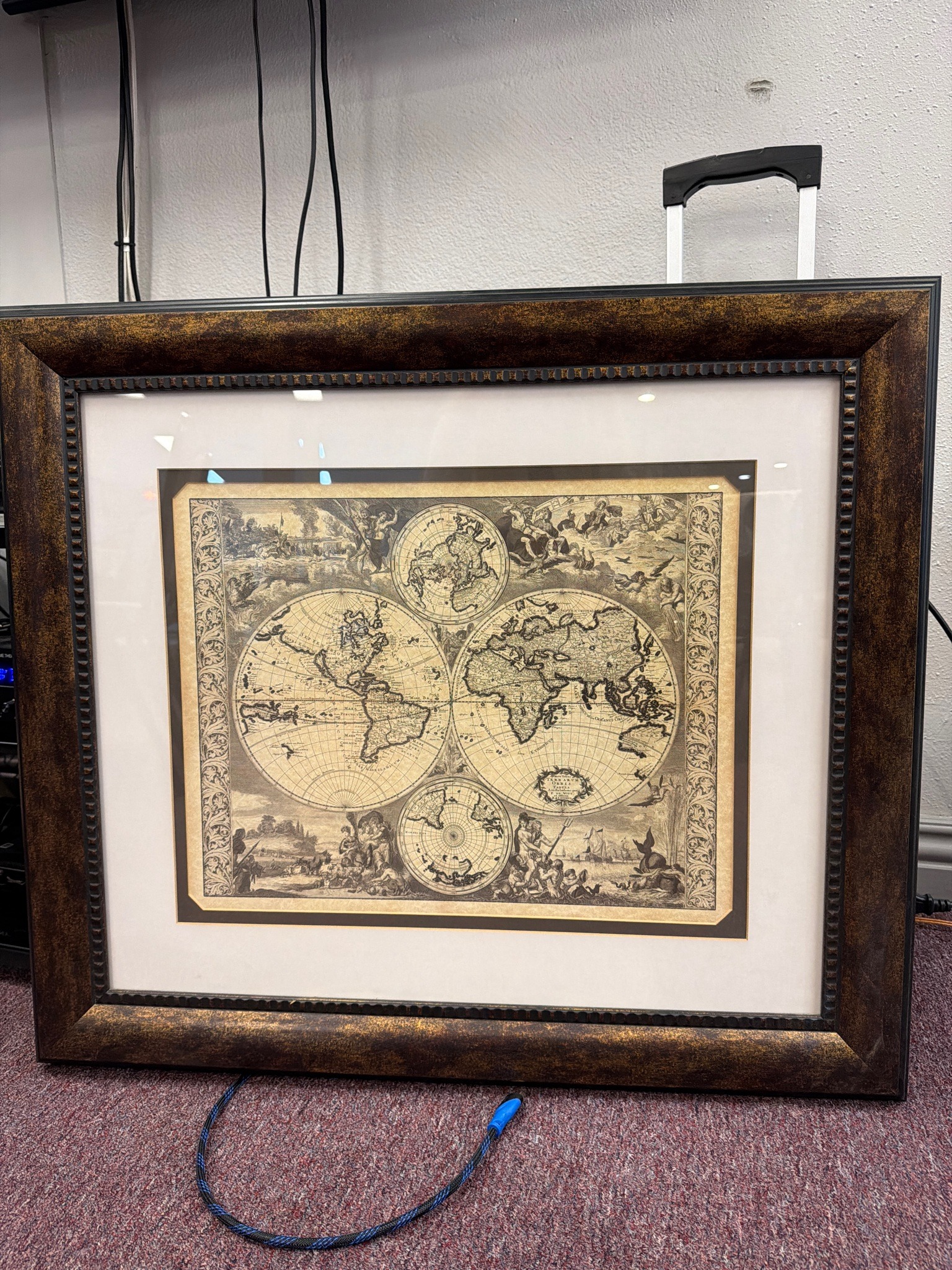
Reproduced 17th Century Style Double Hemisphere World Map

This name is the AI's identification of the item — it may be incorrect.

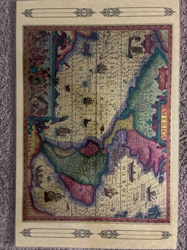
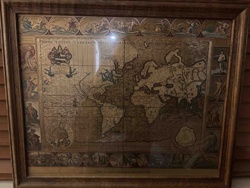
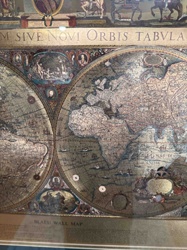
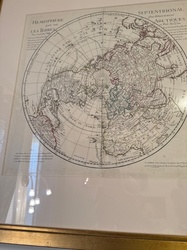
Submitted photo of Reproduced 17th Century Style Double Hemisphere World Map
Photo submitted by the user — not generated by AI

AI Estimated Value

Not an official valuation

$150 - $250

AI estimate as of April 24, 2026 · verify with a professional before acting

AI-Generated · Verify before acting

Everything on this page is generated by AI for informational purposes only. AI can make mistakes — the AI may misidentify items or misattribute them (artist, maker, brand, designer, origin, era). This is not an official valuation and should not be used for insurance, sale, tax, estate, legal, or lending purposes — or any decision requiring a certified appraisal. It is not an authoritative claim about any person, brand, or rights holder — do not share or rely on it as a factual statement about a third party. Always consult qualified professionals before making financial decisions.

Read the full disclaimer

AI Item Analysis

AI can make mistakes
This item is a large-format reproduction of a classic 17th-century double hemisphere world map, specifically styled after the 'Nova Totius Terrarum Orbis Geographica ac Hydrographica Tabula' era. The print is monochrome in a sepia-toned ink on light tan paper, mimicking the look of aged vellum. The composition features two large central hemispheres flanked by two smaller celestial or polar circular diagrams. The map is richly adorned with allegorical scenes in the corners, depicting figures that represent sea gods, classical explorations, and various cultural iconography common in Dutch cartographic masterworks. The border displays a dense, scrolling acanthus leaf ornament. The artwork is professionally matted with an inner dark border and a wide off-white primary mat. It is housed in a contemporary, heavy-set frame with a dark bronze and gold-leaf finish featuring a distressed 'antiqued' texture and a beaded inner lip. While designed to look like a maritime antique, the pristine nature of the paper, the uniformity of the ink, and the modern materials of the framing indicate this is a decorative late 20th or early 21st-century reproduction rather than a period engraving. The piece is in excellent condition with no visible foxing, tears, or significant fading to the print, and the frame shows minimal wear.

AI Appraisal Report

AI can make mistakes
I have examined the provided images of this reproduced 17th-century style double hemisphere world map. Based on visual inspection, this piece operates as a late 20th or early 21st-century decorative print rather than an original period engraving. The pristine nature of the tan paper, the uniform sepia-toned ink, and the modern materials of the framing (a heavy-set dark bronze and gold-leaf finish with a distressed texture) clearly indicate its status as a modern reproduction. The piece remains in excellent condition with no visible foxing, tears, or fading, and the frame shows minimal wear. The market for decorative cartography reproductions is active primarily within interior design sectors, where such pieces are favored for home offices, studies, and maritime-themed spaces. Consequently, the value of this item is dictated largely by its substantial, contemporary framing and its ready-to-hang condition, rather than any historical rarity or cartographic significance. Demand for these pieces is steady, though they are abundant on the secondary market. Please note that this appraisal is based solely on photographic evidence. While the item is confidently identified as a modern decorative reproduction based on visual cues, an in-person physical examination out of the frame would be required to definitively confirm the exact printing method (such as offset lithography versus digital giclée) and to fully assess the modern paper stock utilized.
Keep exploring

More art and wall decor / cartography reproductions appraisals

Get your items appraised

Instant AI-powered appraisal estimates — a starting point, not an official valuation

Browse More Appraisals