AI identification & appraisal estimate

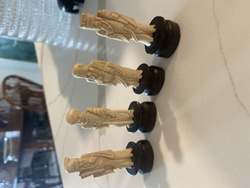
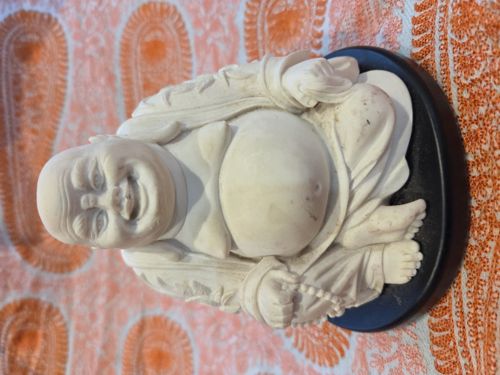
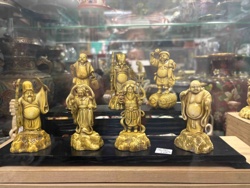
Laughing Buddha (Hotei) Figurine on Plinth

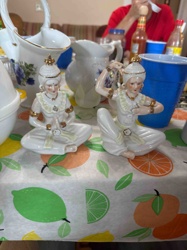
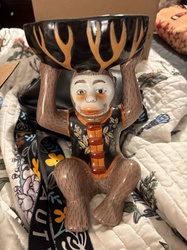
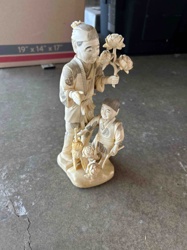
Submitted photo of Laughing Buddha (Hotei) Figurine on Plinth
Photo submitted by the user — not generated by AI

AI Estimated Value

Not an official valuation

$40-80

AI estimate as of February 19, 2026 · verify with a professional before acting

AI-Generated · Verify before acting

Everything on this page is generated by AI for informational purposes only. AI can make mistakes — the AI may misidentify items or misattribute them (artist, maker, brand, designer, origin, era). This is not an official valuation and should not be used for insurance, sale, tax, estate, legal, or lending purposes — or any decision requiring a certified appraisal. It is not an authoritative claim about any person, brand, or rights holder — do not share or rely on it as a factual statement about a third party. Always consult qualified professionals before making financial decisions.

Read the full disclaimer

AI Item Analysis

This item is a decorative figurine depicting the 'Laughing Buddha,' traditionally known as Hotei or Budai, seated in a relaxed cross-legged posture. The figure is constructed from a matte cream or off-white material, likely a composite resin or molded stone powder, designed to emulate the appearance of ivory or aged marble. The sculpture features a bald head with exaggerated earlobes, a jovial facial expression with prominent laughter lines, and an exposed protuberant belly symbolizing abundance. The figure is draped in flowered robes with detailed pleats and is holding a string of prayer beads in his left hand. It is mounted on a contrasting dark, possibly black, circular wooden or plastic composite base. In terms of condition, there are visible surface contaminants, including dark speckling and dust accumulation in the crevices of the robes and around the feet, suggesting some age or lack of recent cleaning. No significant structural cracks or chips are immediately apparent. This piece appears to be a mid-to-late 20th-century mass-produced decorative item rather than an antique hand-carved piece, due to the softness of the molding edges and the uniform color of the composite material.
AI Appraisal Report

Based on my visual examination, this figurine is a 20th-century decorative representation of Hotei (Budai), the Laughing Buddha, executed in a molded composite material—likely a resin mixed with stone powder to emulate ivory or soapstone (often termed 'ivorine'). The piece is mounted on a standard circular plinth, typical of Asian export decorative arts from the 1960s-1990s. The molding shows soft edges and a uniformity in texture that precludes it from being a hand-carved antique ivory or fine stone piece. The condition is fair; while there are no obvious structural breaks, significant surface grime, dust accumulation in the crevices, and potential spotting suggest a history of casual display without specialized care. This level of surface contamination detracts from its immediate aesthetic appeal but is likely cleanable. In the current market, demand for mass-produced 'ivory-style' resin figures is low, as they are ubiquitous in estate sales and lack the intrinsic value of precious materials or the artistic merit of signed, hand-sculpted works. Comparables for similar mid-sized resin Hotei figures on wooden bases generally sell in the $40 to $80 range at secondary market venues or consignment shops. It is important to note that without physical handling, I cannot confirm the exact weight or chemical composition of the material. A hot pin test (to check for resin vs. bone/ivory) or examination of Schröger lines (found only in genuine ivory) would be the definitive methods for material authentication, though visual indicators heavily favor a synthetic composition.

Keep exploring

More asian decorative arts / figurines appraisals

Get your items appraised

Instant AI-powered appraisal estimates from a photo

Browse More Appraisals