AI identification & appraisal estimate

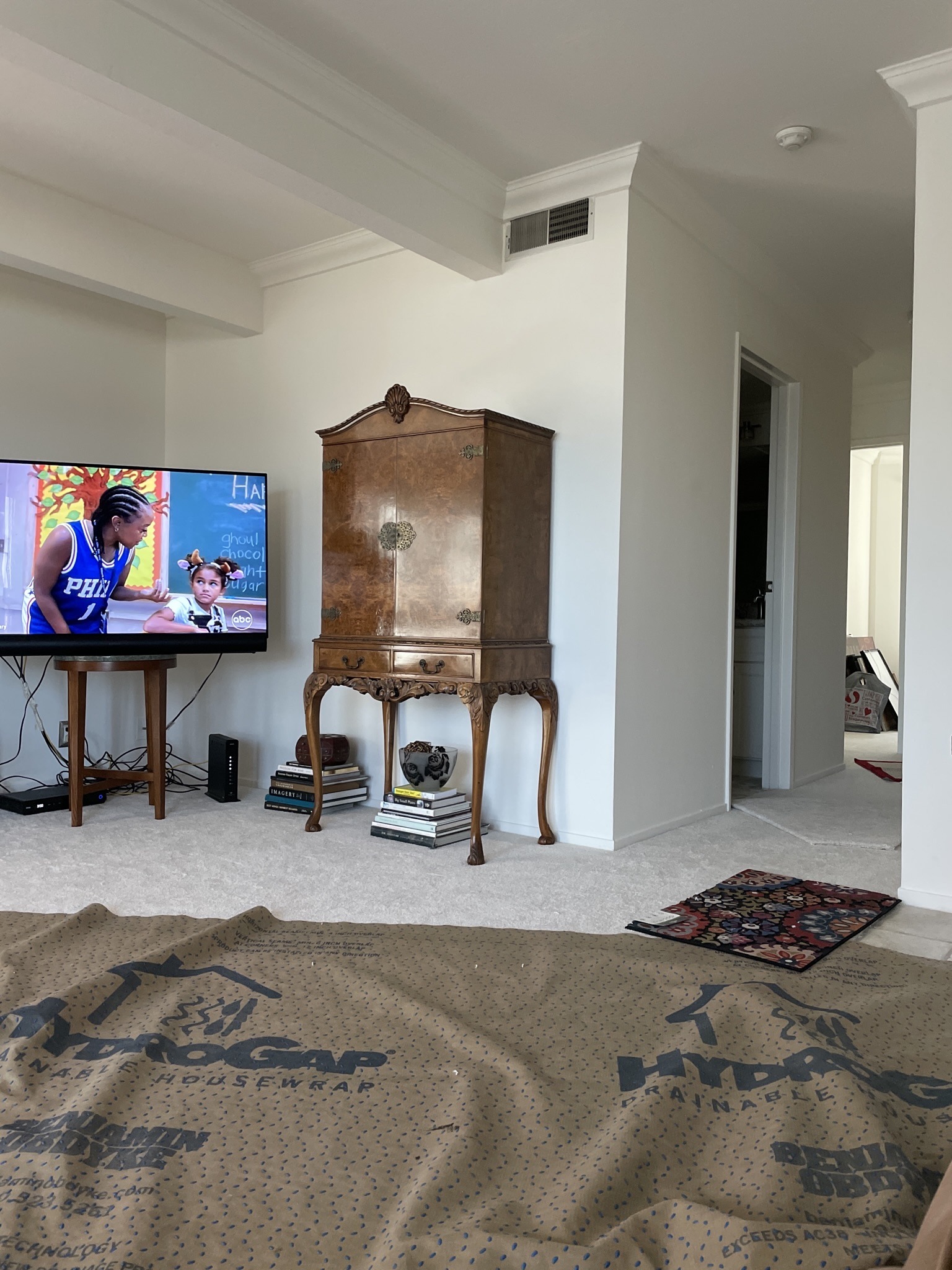
Queen Anne Style Walnut Burl Chinoiserie Cabinet on Stand

This name is the AI's identification of the item — it may be incorrect.

Submitted photo of Queen Anne Style Walnut Burl Chinoiserie Cabinet on Stand
Photo submitted by the user — not generated by AI

AI Estimated Value

Not an official valuation

$1,800 - $2,800

AI estimate as of April 27, 2026 · verify with a professional before acting

AI-Generated · Verify before acting

Everything on this page is generated by AI for informational purposes only. AI can make mistakes — the AI may misidentify items or misattribute them (artist, maker, brand, designer, origin, era). This is not an official valuation and should not be used for insurance, sale, tax, estate, legal, or lending purposes — or any decision requiring a certified appraisal. It is not an authoritative claim about any person, brand, or rights holder — do not share or rely on it as a factual statement about a third party. Always consult qualified professionals before making financial decisions.

Read the full disclaimer

AI Item Analysis

This is a sophisticated two-piece cabinet on stand, predominantly featuring highly figured walnut burl veneers. The upper cabinet is characterized by a distinctive double-arched or 'bonnet' top adorned with a central hand-carved shell finial. The two large doors showcase symmetrical book-matched burl patterns and are fitted with decorative brass escutcheons and butterfly-style hinges, hinting at a Chinoiserie influence. Below the main cabinet doors are two small drawers with brass drop pulls. The piece sits atop an elaborate carved stand featuring a scalloped apron with central acanthus leaf and shell motifs. It is supported by four elegant cabriole legs ending in pad feet. The construction suggests a mid-20th-century reproduction of an early 18th-century English Queen Anne design. The high-gloss finish highlights the swirling grain of the burl. Condition appears excellent with no visible structural damage, though light surface scuffs consistent with age and typical finish checking in the veneers may be present upon close inspection. The craftsmanship is high-quality, evident in the seamless joinery and the depth of the wood grain selection.
AI Appraisal Report

I have examined the images of this Queen Anne style cabinet on stand. Based on the uniform high-gloss finish, the specific 'butterfly' style hinge hardware, and the character of the walnut burl veneers, I identify this as a high-quality mid-20th-century reproduction, likely manufactured between 1940 and 1960. While it mimics the 18th-century English aesthetic, the precision of the book-matching and the crispness of the shell carvings suggest modern woodworking machinery was utilized. The condition appears to be excellent; the structural integrity of the cabriole legs is sound, and the veneers show minimal lifting despite minor expected finish checking. The market for fine reproduction furniture remains stable, though it has seen a decline from its peak in the 1990s. Comparable pieces from makers like Baker, Kittinger, or Century frequently auction in this range. The value is primarily driven by the 'curb appeal' of the highly figured burl and the decorative Chinoiserie influence. Limitations of this virtual appraisal include the inability to inspect secondary woods (such as drawer liners) or joinery (dovetails), which would further confirm the exact decade of manufacture. For definitive authentication of period age versus reproduction, an in-person inspection of the interior oxidation, hand-tool marks on the underside of the stand, and historical provenance documentation would be required. Scientific testing of the finish would also clarify if the lacquer is original or a later restoration.

Keep exploring

More antique & vintage furniture appraisals

Get your items appraised

Instant AI-powered appraisal estimates from a photo

Browse More Appraisals